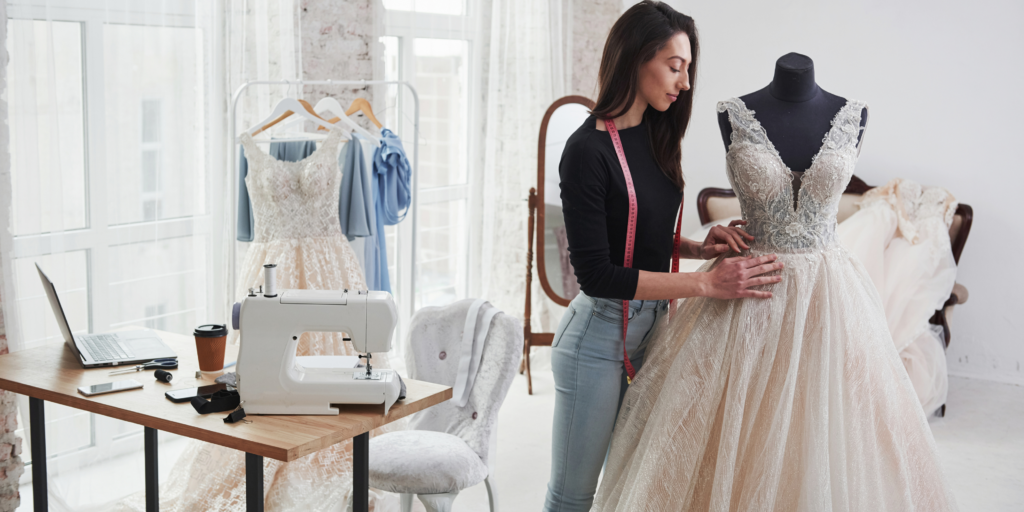
Why Fashion Preferences Change After Major Life Events
Fashion is often viewed as a reflection of personal taste, but in reality, it is much more than that. Clothing choices are deeply connected to emotions, experiences, responsibilities, confidence, and identity. As people move through different phases of life, their priorities naturally shift. These changes influence not only how they think and behave but also how they dress. This explains why fashion preferences change after major life events and why wardrobes often evolve alongside personal growth.
Major life events act as turning points. Graduating from college, starting a career, getting married, becoming a parent, moving to a new city, changing professions, achieving personal goals, or overcoming challenges can all reshape an individual’s perspective. As perspectives change, fashion preferences often change as well. Clothing becomes a reflection of new ambitions, fresh responsibilities, evolving lifestyles, and renewed confidence.
The connection between life experiences and fashion is stronger than many people realize. A wardrobe is not simply a collection of garments. It is a visual record of personal transformation. Each phase of life introduces new circumstances that influence purchasing decisions, style preferences, and clothing habits.
Understanding why fashion preferences change after major life events provides valuable insight into fashion psychology, consumer behavior, and personal identity. It reveals how clothing evolves as people navigate life’s most meaningful transitions.
The Relationship Between Life Changes and Personal Identity
Personal identity is never static. It develops continuously through experiences, relationships, achievements, and challenges. Every significant life event has the potential to influence how individuals see themselves and how they want others to perceive them.
Why fashion preferences change after major life events often begins with changes in self-perception. When people enter a new chapter of life, they frequently reassess their values, goals, and priorities.
A student becoming a professional may seek clothing that communicates competence and confidence. Someone entering a creative field may embrace styles that reflect innovation and individuality.
Fashion becomes a tool for expressing evolving identity.
Clothing choices help individuals align their external appearance with internal transformation.
As identity develops, fashion naturally follows.
The wardrobe becomes an extension of personal growth and self-discovery.
How Career Changes Influence Fashion Preferences
Career transitions are among the most common reasons people update their wardrobes.
Entering a professional workplace often introduces new expectations regarding appearance, presentation, and personal branding.
Why fashion preferences change after major life events is particularly evident when individuals begin new careers or advance into leadership roles.
Professional environments frequently influence clothing choices because appearance contributes to first impressions and workplace confidence.
A person moving from university life to a corporate environment may begin prioritizing tailored clothing, versatile wardrobe essentials, and polished accessories.
Career growth often increases purchasing power as well, allowing consumers to invest in higher-quality garments.
These changes encourage more intentional fashion decisions.
The wardrobe evolves to support new responsibilities and aspirations.
Professional development frequently becomes a catalyst for style transformation.
The Impact of Marriage and Long-Term Relationships
Relationships often influence fashion preferences in subtle but meaningful ways.
Marriage and long-term partnerships can introduce shared experiences, lifestyle adjustments, and changing priorities that affect clothing choices.
Why fashion preferences change after major life events is sometimes connected to the desire for greater practicality, versatility, or personal confidence within evolving relationships.
People may become more selective about purchases as financial priorities shift.
Others may feel encouraged to explore new styles as their confidence grows.
Relationships often expose individuals to different perspectives and experiences, which can influence fashion preferences over time.
These influences do not necessarily replace personal style. Instead, they contribute new dimensions to it.
Fashion continues evolving as people grow together and adapt to shared lifestyles.
Parenthood and the Transformation of Fashion Habits
Parenthood is one of the most significant life events affecting fashion preferences.
New responsibilities often influence how individuals prioritize comfort, practicality, durability, and convenience.
Why fashion preferences change after major life events becomes particularly clear when people transition into parenting roles.
Busy schedules may reduce interest in maintaining trend-focused wardrobes while increasing appreciation for versatile clothing.
Comfort often becomes more important without sacrificing personal style.
Parents frequently seek garments that support active lifestyles and daily responsibilities.
At the same time, many individuals continue using fashion as a form of self-expression and identity preservation.
The challenge becomes balancing practicality with personal preferences.
This balance often leads to more intentional wardrobe decisions and greater appreciation for quality clothing.
How Relocation Changes Personal Style
Moving to a new city, region, or country often influences fashion expectations.
Climate, culture, social norms, and lifestyle differences all contribute to wardrobe adjustments.
Why fashion preferences change after major life events can often be explained by environmental influences.
A person relocating from a warm climate to a colder region may completely rethink clothing priorities. Someone moving to a metropolitan area may adopt different fashion habits than they previously maintained.
Relocation introduces new social and professional environments that influence style choices.
Consumers often adapt their wardrobes to align with practical needs while exploring new forms of self-expression.
The experience of living in a different environment frequently broadens fashion perspectives.
This transformation can create exciting opportunities for personal style evolution.
The Connection Between Confidence and Fashion Evolution
Confidence plays a powerful role in shaping fashion preferences.
Many people experience increased self-awareness and self-assurance following significant life achievements or personal milestones.
Why fashion preferences change after major life events is often linked to growing confidence.
As individuals become more comfortable with their identity, they frequently feel less pressure to follow trends or seek external approval.
They begin choosing clothing based on personal preference rather than social expectations.
This shift often leads to stronger personal style and more consistent fashion habits.
Confidence encourages authenticity.
People become more willing to experiment, embrace individuality, and invest in clothing that genuinely reflects their personality.
Fashion becomes a tool for expressing self-belief rather than seeking validation.
This transformation contributes significantly to long-term wardrobe satisfaction.
Why Personal Growth Alters Fashion Priorities
Personal growth changes how individuals view success, happiness, and self-expression.
As values evolve, fashion priorities often change as well.
Why fashion preferences change after major life events can frequently be traced to shifting perspectives about what matters most.
A person focused on career advancement may prioritize professional attire. Later, they may place greater emphasis on comfort, sustainability, or work-life balance.
These changing priorities influence purchasing decisions.
Consumers often move away from impulsive shopping habits and adopt more intentional approaches to fashion.
Wardrobes become reflections of personal values rather than temporary trends.
This evolution encourages deeper connections with clothing and more thoughtful consumption habits.
Fashion grows alongside the individual.
The Influence of Emotional Experiences
Life events often create strong emotional responses that affect personal identity and behavior.
Achievements can inspire confidence and ambition. Challenges can encourage reflection and self-discovery.
Why fashion preferences change after major life events is partly connected to these emotional experiences.
People often seek clothing that supports their emotional state or symbolizes a fresh beginning.
New wardrobes sometimes represent transformation, resilience, or renewed purpose.
Fashion becomes a visual expression of emotional growth.
Clothing can help individuals mark important transitions and embrace new chapters of life.
The emotional connection between fashion and personal experience contributes significantly to style evolution.
Every meaningful experience leaves an impression that may influence future fashion choices.
How Age and Maturity Shape Fashion Preferences
Age alone does not determine fashion preferences, but maturity often influences purchasing behavior and style priorities.
Why fashion preferences change after major life events is closely related to growing self-awareness.
With experience, individuals often gain a clearer understanding of what works for their lifestyle, body type, and personality.
They become less influenced by fleeting trends and more focused on quality, versatility, and authenticity.
This shift encourages the development of a more refined personal style.
Fashion decisions become increasingly intentional.
Consumers frequently invest in wardrobe staples that provide long-term value rather than short-term excitement.
Maturity supports confidence and consistency, which contribute to stronger fashion identities.
The wardrobe evolves to reflect accumulated knowledge and life experience.
The Rise of Purpose-Driven Fashion Choices
Modern consumers increasingly make purchasing decisions based on values and purpose.
Why fashion preferences change after major life events is often connected to greater awareness of sustainability, ethics, and responsible consumption.
Major life transitions frequently encourage reflection about long-term goals and priorities.
Consumers may begin seeking clothing that aligns with environmental concerns, social values, or personal beliefs.
This shift represents a broader transformation in how people approach fashion.
Purchasing decisions become more intentional and meaningful.
Fashion evolves from being purely aesthetic to becoming an expression of values and responsibility.
Purpose-driven fashion choices reflect deeper lifestyle changes and evolving consumer expectations.
The Future of Fashion Preferences
Fashion preferences will continue evolving as people experience new opportunities, challenges, and transitions.
Why fashion preferences change after major life events will remain relevant because personal growth is an ongoing process.
Technology, sustainability, changing work environments, and evolving cultural values will continue influencing fashion behavior.
Consumers are becoming more conscious, informed, and intentional in their choices.
Future wardrobes will likely emphasize flexibility, quality, personalization, and emotional relevance.
Fashion will continue reflecting life experiences and personal journeys.
As individuals change, their clothing choices will adapt accordingly.
The relationship between fashion and personal growth will remain one of the most fascinating aspects of consumer behavior.
Conclusion
Why fashion preferences change after major life events can be understood through the powerful connection between personal growth and self-expression. Major life transitions reshape priorities, responsibilities, emotions, and identity. These changes naturally influence clothing choices and fashion habits.
Career advancements, relationships, parenthood, relocation, personal achievements, and emotional experiences all contribute to wardrobe evolution. Fashion becomes a reflection of changing lifestyles and evolving values.
As confidence grows and self-awareness deepens, individuals often develop stronger personal styles that prioritize authenticity, quality, and meaningful expression.
Fashion is not merely about trends or appearance. It is a visual representation of life’s journey. Every major event leaves a mark on how people view themselves and how they choose to present themselves to the world.
Ultimately, fashion preferences change after major life events because people change. As new experiences shape identity and perspective, clothing evolves alongside them, creating wardrobes that tell stories of growth, transformation, resilience, and personal discovery.