How Digital Fashion Showrooms Are Changing Retail
The fashion industry has always evolved alongside technology. From the invention of sewing machines to the rise of e-commerce, innovation has continuously reshaped how clothing is designed, marketed, and sold. Today, another major transformation is taking place. Digital fashion showrooms are changing retail in ways that were almost unimaginable just a decade ago. As technology becomes more sophisticated and consumer expectations continue evolving, digital fashion showrooms are emerging as a powerful force influencing the future of fashion retail.
Traditional fashion showrooms have long played an important role in connecting designers, brands, buyers, and retailers. These physical spaces allow collections to be displayed, evaluated, and purchased. However, the limitations of location, cost, travel, and accessibility have encouraged the fashion industry to explore new solutions. Digital fashion showrooms have emerged as an innovative alternative, offering immersive virtual experiences that connect brands and consumers regardless of geographical boundaries.
The rise of digital fashion showrooms reflects broader changes in shopping behavior. Modern consumers expect convenience, personalization, and instant access to information. They want engaging experiences that combine technology with creativity. Digital fashion showrooms provide exactly that by blending fashion, innovation, and interactive retail environments.
As the fashion industry embraces digital transformation, digital fashion showrooms are becoming increasingly important. They are not only changing how fashion is presented but also influencing how consumers discover products, interact with brands, and make purchasing decisions. This shift represents one of the most significant developments in modern retail.
Understanding the Concept of Digital Fashion Showrooms
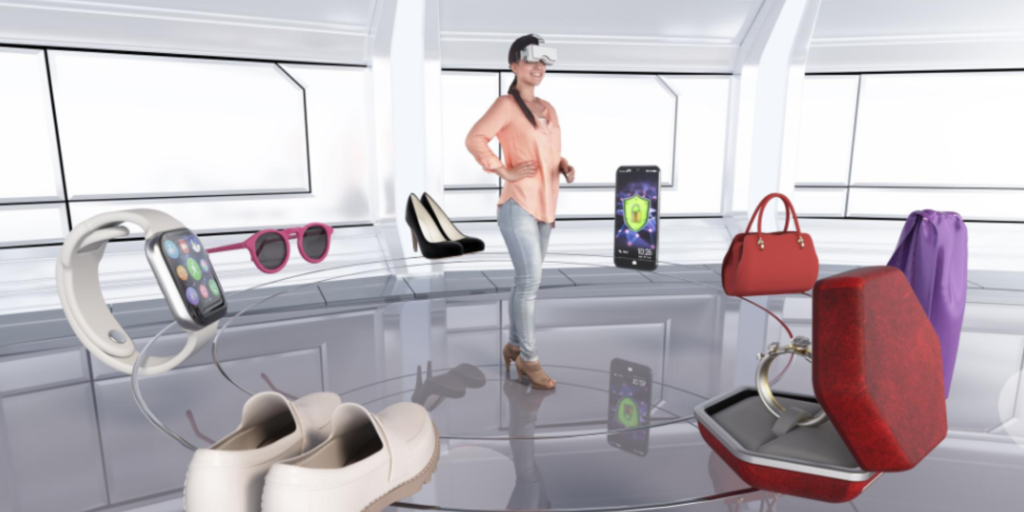
Digital fashion showrooms are virtual spaces where fashion collections can be displayed, explored, and experienced through digital technology. Unlike traditional physical showrooms, these environments exist online and can be accessed from virtually anywhere in the world.
Digital fashion showrooms often incorporate advanced features such as three-dimensional product visualization, virtual tours, interactive displays, augmented reality, and immersive shopping experiences. These technologies allow users to engage with products in ways that closely resemble real-world interactions.
The purpose of digital fashion showrooms extends beyond simple product presentation. They are designed to create meaningful experiences that help consumers understand fabrics, designs, colors, and styling possibilities. Brands can showcase entire collections without the physical limitations associated with traditional retail spaces.
The growing popularity of digital fashion showrooms demonstrates how technology is expanding opportunities for both businesses and consumers. These virtual environments are becoming central components of modern fashion retail strategies.
As digital transformation continues accelerating, digital fashion showrooms are expected to play an increasingly influential role within the global fashion industry.
Why Digital Fashion Showrooms Are Gaining Popularity
Several factors have contributed to the rapid growth of digital fashion showrooms. One of the most important is convenience. Consumers and buyers can access collections without traveling to physical locations, saving both time and resources.
Digital fashion showrooms also increase accessibility. Small fashion brands can reach international audiences without investing heavily in physical infrastructure. This creates new opportunities for growth and market expansion.
Another important factor is flexibility. Digital fashion showrooms can be updated quickly, allowing brands to showcase new products, seasonal collections, and promotional campaigns with minimal delays.
The demand for digital experiences has also increased significantly. Consumers are comfortable using technology for shopping, entertainment, education, and communication. As a result, digital fashion showrooms align naturally with modern expectations.
The combination of convenience, accessibility, and innovation explains why digital fashion showrooms are becoming a preferred solution for many fashion businesses.
How Digital Fashion Showrooms Improve the Shopping Experience
One of the most significant ways digital fashion showrooms are changing retail is by enhancing the shopping experience. Traditional online shopping often relies on static images and basic product descriptions. While useful, these tools can sometimes limit consumer understanding of products.
Digital fashion showrooms provide richer experiences by allowing users to explore garments from multiple angles, zoom into details, and interact with products more effectively. This level of engagement creates greater confidence during purchasing decisions.
Consumers can visualize how clothing may look in different contexts and gain a better understanding of design features. Some digital fashion showrooms even integrate virtual fitting technologies that enhance personalization.
Improved product understanding reduces uncertainty and strengthens customer satisfaction. Shoppers feel more informed, which often leads to stronger engagement and purchasing confidence.
By making online shopping more interactive and immersive, digital fashion showrooms are redefining consumer expectations within fashion retail.
The Role of Fashion Technology in Retail Transformation
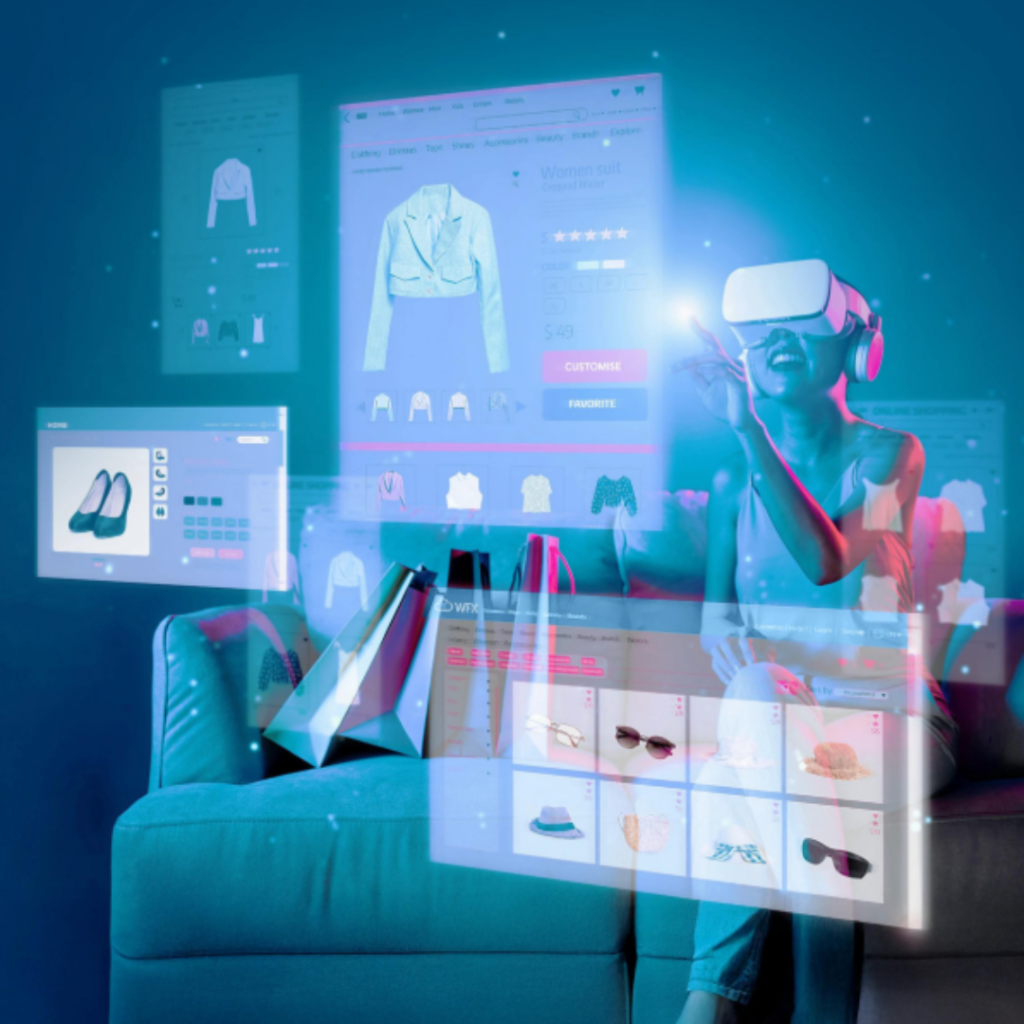
Fashion technology is at the heart of digital fashion showrooms. Innovations such as augmented reality, virtual reality, artificial intelligence, and three-dimensional modeling are creating new possibilities for fashion presentation and consumer interaction.
These technologies allow brands to create dynamic environments that go beyond traditional retail experiences. Consumers can explore virtual stores, view products in realistic detail, and receive personalized recommendations.
Artificial intelligence enhances digital fashion showrooms by analyzing consumer behavior and preferences. This information helps brands deliver more relevant experiences and improve product discovery.
Virtual and augmented reality technologies further strengthen engagement by creating immersive experiences that blur the line between physical and digital retail.
The integration of fashion technology demonstrates how digital fashion showrooms are contributing to broader retail transformation and shaping the future of shopping.
Why Digital Fashion Showrooms Support Sustainable Fashion
Sustainability has become a major priority within the fashion industry, and digital fashion showrooms offer several environmental advantages. Traditional fashion presentations often involve extensive travel, temporary installations, printed materials, and logistical resources.
Digital fashion showrooms reduce many of these requirements by enabling virtual access to collections. Buyers, retailers, and consumers can participate in product evaluations without traveling long distances.
This reduction in travel contributes to lower environmental impact while supporting more efficient business operations. Brands can also reduce waste associated with physical displays and promotional materials.
Digital fashion showrooms encourage more sustainable business practices by minimizing resource consumption and increasing operational efficiency.
The connection between sustainability and digital retail innovation highlights another reason why digital fashion showrooms are gaining momentum across the fashion industry.
How Brands Benefit From Digital Fashion Showrooms
Fashion brands are discovering numerous advantages associated with digital fashion showrooms. One of the most significant benefits is expanded market reach. Virtual environments eliminate geographical barriers and allow brands to connect with global audiences.
Digital fashion showrooms also provide valuable consumer insights. Brands can analyze user interactions, identify popular products, and better understand customer preferences. These insights support more informed decision-making.
Cost efficiency is another important advantage. Maintaining digital showrooms often requires fewer resources than organizing large-scale physical presentations. Brands can allocate resources more strategically while maintaining strong visibility.
Additionally, digital fashion showrooms enable faster product launches and more flexible marketing strategies. Collections can be updated instantly, allowing brands to respond quickly to changing market conditions.
These benefits demonstrate why digital fashion showrooms have become essential tools for modern fashion businesses.
The Impact on Consumer Behavior and Fashion Purchasing
Digital fashion showrooms are influencing consumer behavior by changing how people discover and evaluate products. Modern shoppers increasingly expect convenience, personalization, and engaging experiences throughout the purchasing journey.
Virtual environments encourage exploration and interaction. Consumers spend more time engaging with products when experiences feel immersive and informative.
The availability of detailed product information helps consumers make more confident purchasing decisions. This confidence can reduce hesitation and improve satisfaction after purchase.
Digital fashion showrooms also support personalized shopping experiences by tailoring recommendations and content to individual preferences.
As consumer expectations continue evolving, digital fashion showrooms are becoming important drivers of purchasing behavior within the fashion industry.
Challenges Facing Digital Fashion Showrooms
Despite their many advantages, digital fashion showrooms are not without challenges. Some consumers still value physical interaction with products and may hesitate to rely entirely on digital experiences.
Technical limitations can also affect accessibility. High-quality virtual experiences often require reliable internet connections and compatible devices.
Additionally, creating sophisticated digital fashion showrooms requires investment in technology, design, and ongoing maintenance. Smaller brands may face challenges when implementing advanced solutions.
Another concern involves maintaining emotional connections. Fashion is a sensory experience, and digital environments must work hard to recreate the excitement traditionally associated with physical retail spaces.
Addressing these challenges will be essential for maximizing the potential of digital fashion showrooms in the future.
The Future of Digital Fashion Showrooms
The future of digital fashion showrooms appears exceptionally promising. As technology continues advancing, virtual experiences are expected to become even more immersive, personalized, and realistic.
Artificial intelligence will likely play a larger role in customizing shopping journeys and improving product recommendations. Augmented reality and virtual reality technologies will continue enhancing consumer engagement.
Digital fashion showrooms may also become integrated with emerging technologies such as virtual fashion, digital clothing, and metaverse experiences. These innovations could further transform how fashion is presented and consumed.
Consumers are increasingly comfortable interacting with digital environments, creating strong demand for innovative retail experiences. Brands that embrace digital fashion showrooms will be well-positioned to meet these evolving expectations.
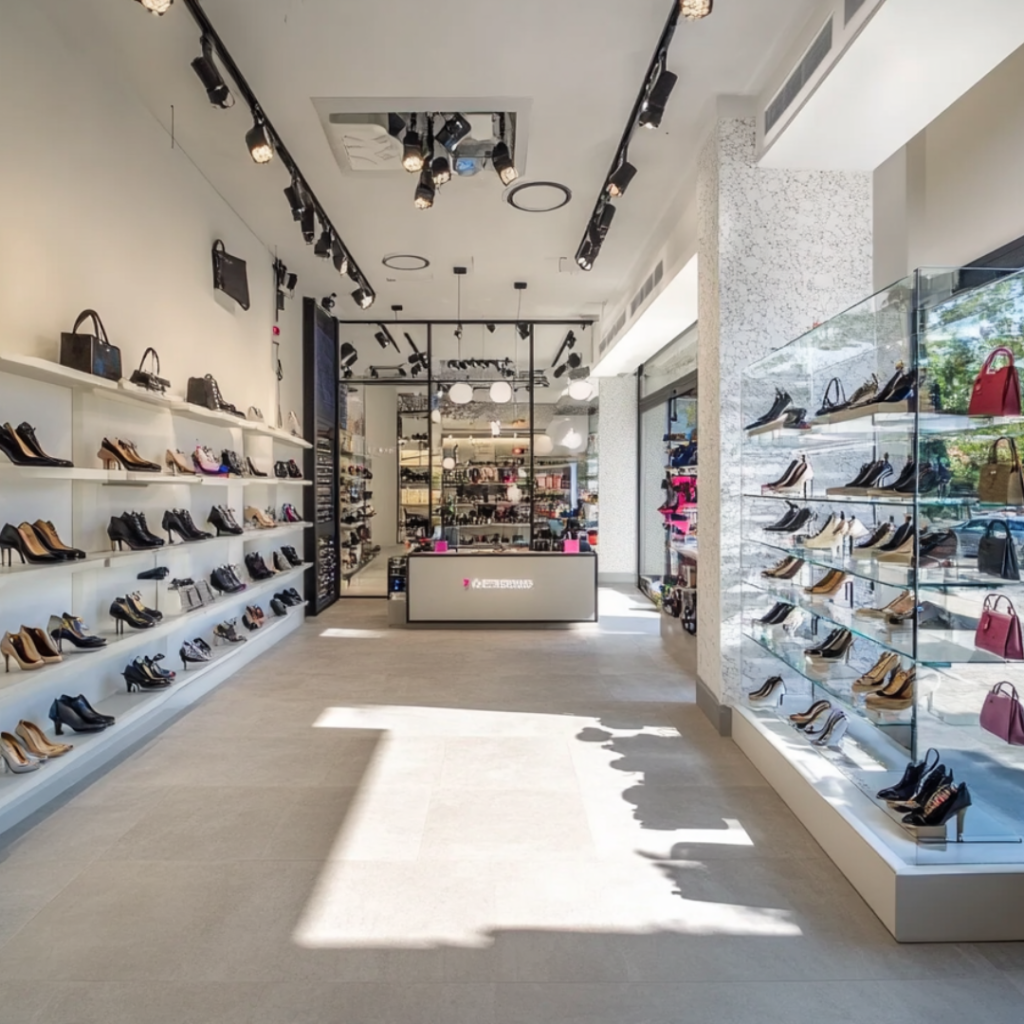
The future of fashion retail will likely combine physical and digital experiences, creating hybrid models that maximize convenience, engagement, and accessibility.
Conclusion
Digital fashion showrooms are changing retail by transforming how fashion is presented, experienced, and purchased. Through the integration of fashion technology, virtual experiences, and interactive retail environments, these innovative platforms are redefining consumer expectations and business strategies.
The growing popularity of digital fashion showrooms reflects broader shifts toward convenience, sustainability, personalization, and digital engagement. Consumers benefit from richer shopping experiences, while brands gain access to new markets, valuable insights, and increased flexibility.
Although challenges remain, the continued advancement of technology is likely to strengthen the role of digital fashion showrooms within the fashion industry. As virtual and physical retail experiences become increasingly interconnected, digital fashion showrooms will remain at the forefront of retail transformation.
Ultimately, digital fashion showrooms represent more than a technological innovation. They symbolize the future of fashion retail—a future where creativity, technology, and consumer experience come together to create entirely new possibilities for the global fashion industry.