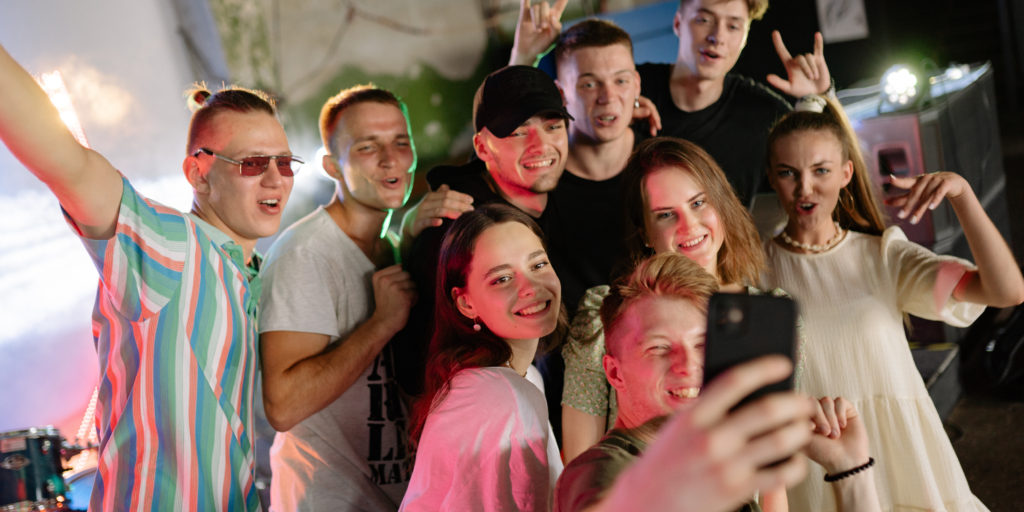
Fashion Trends That Started on Social Media
Fashion has always reflected the way people express themselves, but the methods through which trends emerge have changed dramatically over the last decade. In the past, designers, fashion editors, celebrities, and luxury brands largely controlled what became fashionable. Today, social media has transformed that process completely. A style idea shared by an everyday user can attract millions of views, inspire thousands of outfit recreations, and eventually influence global fashion trends. As a result, many of the most recognizable fashion trends that started on social media have become powerful examples of how digital platforms now shape the fashion industry.
The rise of social media fashion trends has created a new era where creativity spreads instantly across continents. Consumers no longer wait for seasonal runway collections or fashion magazines to determine what is popular. Instead, they discover new styles through videos, photos, live streams, and influencer content that appears directly on their screens. This rapid exchange of ideas has made social media one of the most influential forces driving modern fashion trends.
As digital platforms continue to evolve, they are not only promoting fashion but actively creating new style movements. Understanding how these trends emerge provides valuable insight into the future of fashion, consumer behavior, and fashion marketing strategies.
The Transformation of Fashion Discovery
The way people discover fashion has changed significantly because of social media. Traditional fashion channels often required consumers to rely on professional publications and industry experts for style inspiration. While these sources remain relevant, social media has introduced a more interactive and accessible approach.
Today, consumers encounter fashion inspiration throughout their daily online activities. A short video, outfit photograph, styling tutorial, or fashion challenge can quickly capture attention and influence purchasing decisions. This constant exposure to fashion content has accelerated the growth of social media fashion trends and increased the speed at which styles become popular.
Fashion discovery is no longer limited to major fashion capitals. Individuals from different countries, cultures, and backgrounds contribute ideas that influence global fashion trends. This diversity has expanded creative possibilities and encouraged greater experimentation throughout the fashion industry.
How Viral Fashion Trends Gain Momentum
One of the defining characteristics of social media fashion trends is their ability to spread rapidly. Viral fashion trends often begin with a single piece of content that resonates with viewers. As users engage by liking, commenting, sharing, and recreating the look, visibility increases significantly.
This process creates a powerful cycle. More engagement leads to greater exposure, which attracts additional participants. Soon, a style that started within a small online community can become a mainstream fashion movement.
The appeal of viral fashion trends often lies in their accessibility. Many successful trends are easy to replicate, adaptable to different personal styles, and visually striking. These qualities encourage widespread participation and contribute to long-term popularity.
Fashion brands closely monitor viral content because it often provides valuable insights into changing consumer preferences and emerging market opportunities.
The Rise of Influencer Fashion Trends
Influencers have become some of the most influential figures within the modern fashion landscape. Their ability to connect with audiences on a personal level has transformed how fashion products are promoted and adopted.
Unlike traditional advertising, influencer content often feels more authentic and relatable. Followers see creators wearing clothing in everyday situations, sharing honest opinions, and demonstrating practical styling ideas.
This relatability plays a significant role in fashion consumer behavior. When influencers introduce new styles, audiences frequently view them as attainable rather than aspirational. As a result, influencer fashion trends often achieve substantial engagement and impressive sales results.
Many fashion brands collaborate with creators because influencer partnerships provide direct access to highly engaged communities. These collaborations frequently contribute to the success of social media fashion marketing campaigns and support fashion brand growth.
Fashion Aesthetics Created Through Digital Communities
One of the most remarkable developments in recent years has been the emergence of distinct fashion aesthetics that originated on social media. Rather than focusing on individual products, online communities often create entire style identities based on specific visual themes and lifestyle preferences.
These aesthetics combine clothing choices, accessories, beauty routines, photography styles, and cultural influences into cohesive fashion categories. Social media platforms allow users to contribute ideas and continuously evolve these communities.
Because participants actively shape the trend, these fashion movements often feel more personal and meaningful than traditional marketing campaigns. Consumers enjoy belonging to communities that reflect their interests, values, and creative expression.
This sense of connection has become a major factor driving the popularity of digital fashion trends and influencing purchasing decisions across multiple demographics.
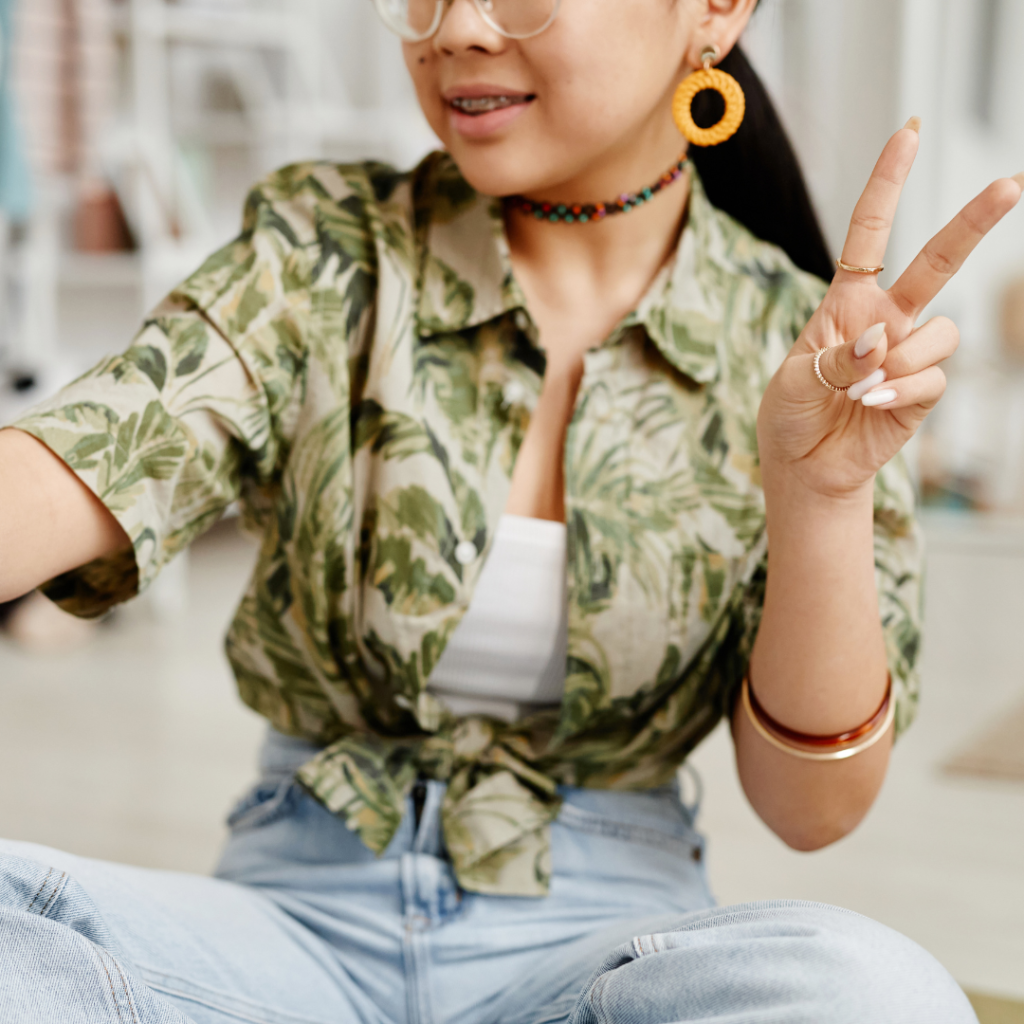
Why Social Media Accelerates Fashion Trend Cycles
Fashion trend cycles have become significantly shorter due to social media. In previous decades, trends often remained popular for extended periods before gradually fading. Today, new styles emerge almost daily.
The speed of content distribution allows fashion ideas to spread globally within hours. Consumers can instantly access styling inspiration, product recommendations, and trend updates from creators around the world.
While this rapid pace creates exciting opportunities for innovation, it also introduces challenges. Fashion brands must respond quickly to emerging trends while maintaining consistent product quality and brand identity.
The accelerated nature of social media fashion trends has encouraged greater flexibility and adaptability throughout the fashion industry. Companies that successfully navigate these changes often achieve stronger engagement and market performance.
Consumer Participation Is Reshaping Fashion
One of the biggest reasons social media fashion trends succeed is because consumers actively participate in trend creation. Unlike traditional media, social platforms encourage interaction rather than passive observation.
Users can recreate outfits, share styling tips, review products, and contribute their own interpretations of emerging trends. This participation increases visibility and strengthens community engagement.
Fashion consumers increasingly view themselves as contributors rather than simply shoppers. Their creativity helps shape the direction of trends and influences which styles gain popularity.
This shift has transformed fashion consumer behavior and created new opportunities for brands to engage with audiences in meaningful ways.
Social Commerce Has Increased Fashion Sales
The connection between social media and ecommerce has further strengthened the impact of online fashion trends. Consumers can now discover products and complete purchases within the same digital environment.
This convenience has significantly influenced fashion sales and purchasing behavior. The shorter the journey between inspiration and checkout, the more likely consumers are to make purchases.
Social commerce fashion strategies have become essential for brands seeking to capitalize on viral trends. By integrating shopping experiences directly into content, companies can increase conversion rates and improve overall sales performance.
As social commerce continues expanding, fashion brands are investing heavily in content-driven marketing strategies that combine entertainment, education, and product discovery.
The Positive and Challenging Effects on the Fashion Industry
The influence of social media on fashion has created numerous opportunities. Emerging designers can reach global audiences without massive advertising budgets. Consumers enjoy greater access to inspiration and style diversity. Brands can engage directly with customers and receive immediate feedback.
At the same time, rapid trend cycles can create difficulties. Constant pressure to stay relevant may lead to overproduction, inventory challenges, and increasing competition. Consumers can also experience content saturation due to the overwhelming volume of trend-related information.
Despite these challenges, the overall impact of social media on fashion industry trends remains transformative. The benefits of accessibility, creativity, and community engagement continue to drive innovation throughout the market.
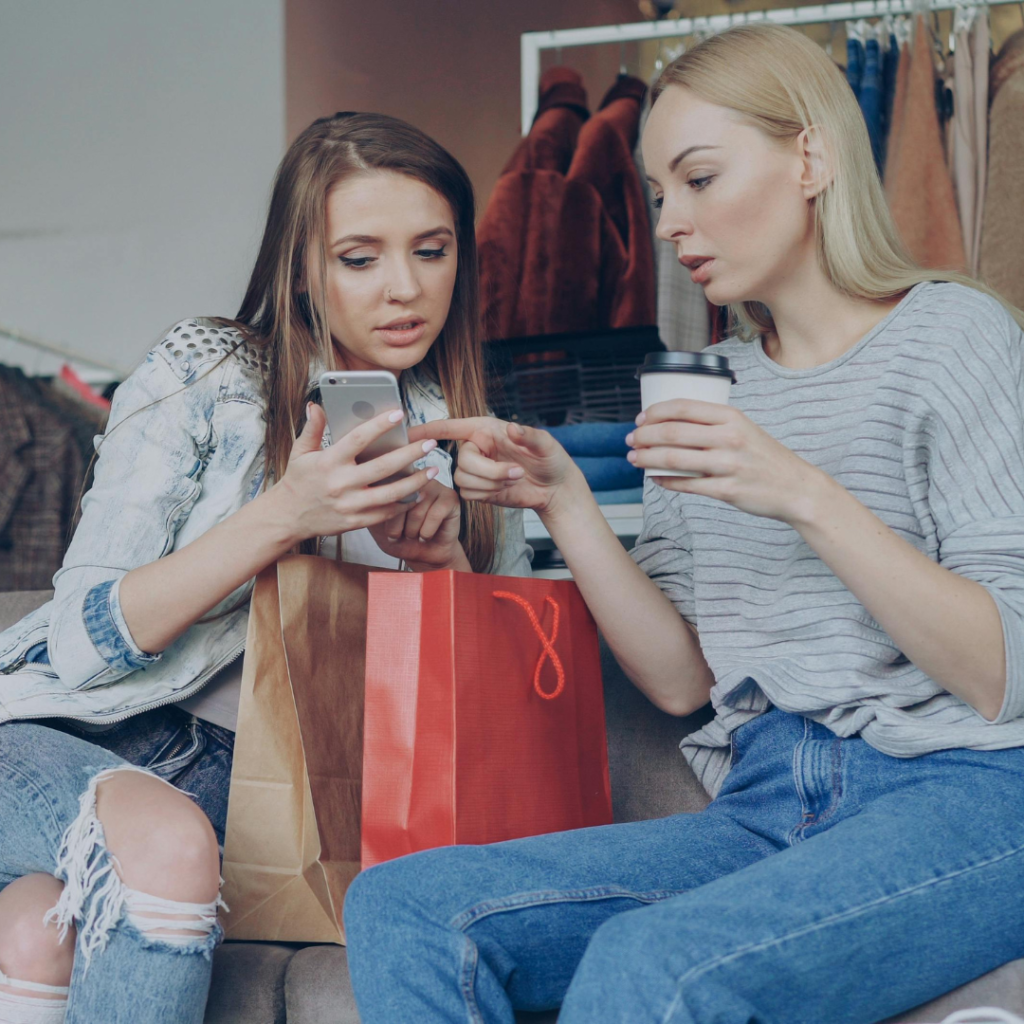
The Future of Social Media Fashion Trends
As technology advances, social media will likely play an even greater role in shaping fashion trends. Artificial intelligence, personalized content recommendations, immersive digital experiences, and enhanced social commerce features will further influence consumer behavior.
Future fashion trends may emerge from highly specialized communities and reach mainstream audiences faster than ever before. Consumers will continue seeking authenticity, originality, and meaningful engagement when interacting with fashion content.
Brands that embrace these evolving expectations while maintaining genuine connections with audiences will be best positioned for long-term success. The ability to adapt quickly and understand digital culture will remain essential within the rapidly changing fashion landscape.
Conclusion
Fashion trends that started on social media have fundamentally changed how style movements develop, spread, and influence consumer behavior. Through viral content, influencer partnerships, digital communities, and social commerce innovations, social media has become one of the most powerful drivers of modern fashion trends.
The fashion industry is no longer shaped solely by designers and major brands. Today, creators, consumers, and online communities play an equally important role in determining what becomes popular. As digital platforms continue evolving, social media fashion trends will remain a defining force influencing fashion marketing, fashion sales, and global fashion culture.
For brands, designers, and fashion enthusiasts, understanding these changes is essential. The future of fashion will increasingly depend on the creativity, participation, and engagement of the digital communities that shape style every day.
You May Also Read
Renting Fashion Instead of Buying: The Smart Guide to Sustainable Style and Affordable Luxury 2026
Renting Fashion Instead of Buying Fashion has always reflected personal...
Read More
Understanding Hair Breakage: Causes, Prevention, and Healthy Hair Care Tips 2026
Understanding Hair Breakage Healthy hair is often seen as a...
Read MoreWhy Sunscreen Is Essential Indoors: The Complete Guide to Everyday Indoor Sun Protection 2026
Why Sunscreen Is Essential Indoors Many people associate sunscreen with...
Read More