
Fashion Trends Inspired by Wellness and Healthy Living
The fashion industry has always reflected cultural shifts, lifestyle changes, and evolving consumer priorities. In recent years, one of the most powerful influences shaping modern style has been the growing focus on wellness and healthy living. People are becoming more mindful about how they eat, exercise, work, relax, and care for themselves. As these habits continue to evolve, fashion is changing alongside them. Today, clothing is no longer judged solely by appearance. Consumers increasingly value comfort, functionality, sustainability, and emotional well-being, creating a new wave of wellness fashion trends that are transforming the global fashion industry.
The connection between fashion and wellness may seem unexpected at first, but the relationship is becoming stronger every year. Modern consumers want clothing that supports their daily routines, encourages movement, enhances comfort, and aligns with healthier lifestyles. This shift has created significant demand for wellness-inspired fashion, leading brands to rethink everything from fabric choices and product design to sustainability practices and customer experiences.
As the healthy living movement continues expanding worldwide, fashion companies are adapting to meet changing expectations. The result is a fashion landscape where comfort, mindfulness, environmental responsibility, and personal well-being are becoming just as important as style itself. Understanding these fashion trends inspired by wellness and healthy living provides valuable insight into the future direction of the industry and the evolving needs of modern consumers.
The Rise of Wellness Fashion in Modern Society
The popularity of wellness fashion is closely linked to broader lifestyle changes occurring around the world. More people are prioritizing physical fitness, mental balance, work-life harmony, and overall well-being. These priorities influence purchasing decisions across multiple industries, including fashion.
Consumers are becoming increasingly selective about the products they bring into their lives. Instead of purchasing clothing solely because it follows a trend, many now consider factors such as comfort, fabric quality, versatility, and long-term value. This shift reflects a deeper desire for products that contribute positively to daily life rather than simply serving decorative purposes.
The wellness movement has encouraged individuals to view clothing as an extension of their lifestyle choices. People want garments that support active routines, provide comfort throughout the day, and help create a sense of confidence and ease. As a result, wellness-inspired fashion has evolved from a niche category into a major force shaping the fashion industry.
This growing demand demonstrates how consumer priorities are influencing fashion design and business strategies in meaningful ways.
Comfort Has Become a New Fashion Priority
One of the most noticeable effects of the wellness movement is the increasing emphasis on comfort. For many years, fashion often prioritized aesthetics over practicality. While appearance remains important, consumers are now placing greater value on how clothing feels and functions throughout the day.
Comfort-focused fashion includes relaxed silhouettes, breathable fabrics, flexible materials, and designs that support natural movement. Consumers are seeking garments that transition easily between different activities without sacrificing style or convenience.
The popularity of comfort fashion reflects changing lifestyles. Many people work remotely, travel frequently, and balance multiple responsibilities within a single day. Clothing that adapts to these demands has become highly desirable.
Fashion brands are responding by creating collections that combine elegance with practicality. This balance allows consumers to maintain personal style while prioritizing comfort and well-being.
The growing preference for comfortable clothing is expected to remain one of the strongest fashion trends in the years ahead.
Athleisure Continues to Dominate Fashion Markets
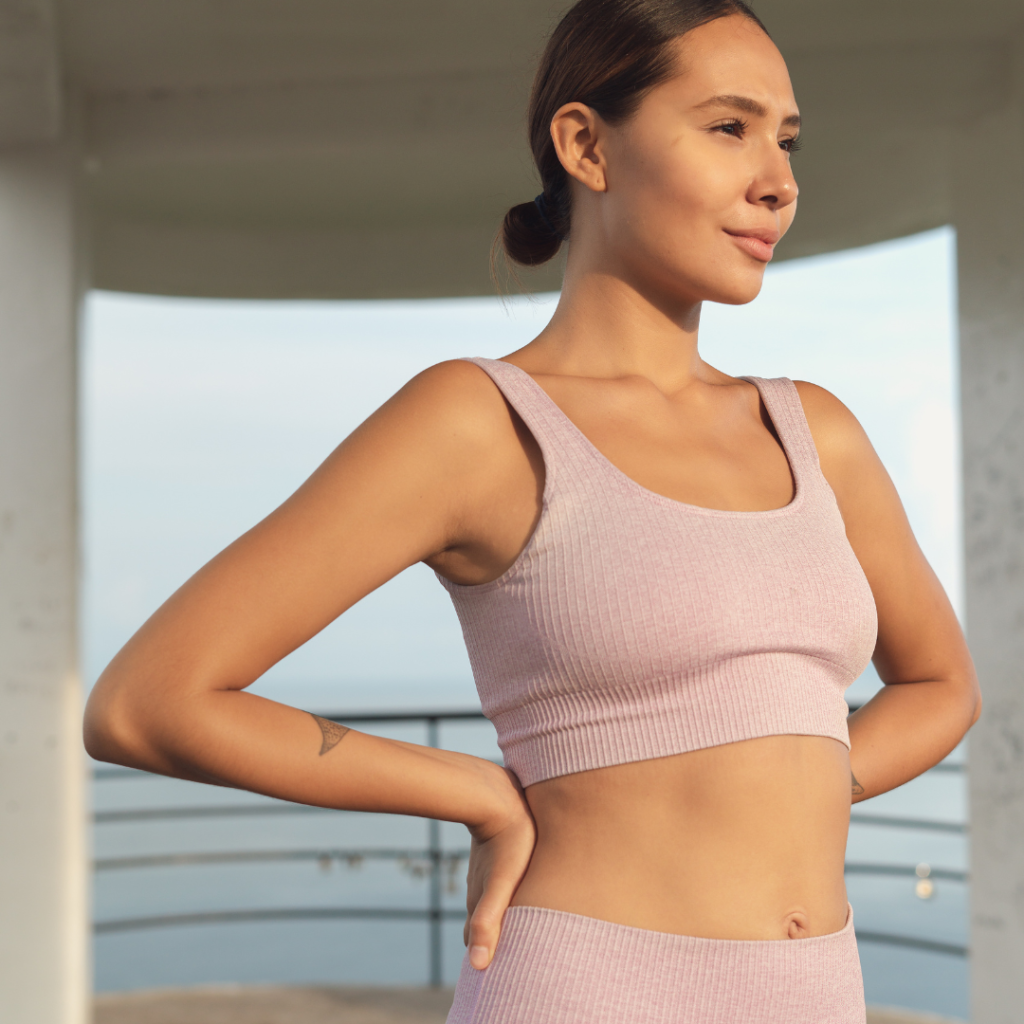
Athleisure remains one of the clearest examples of fashion trends inspired by wellness and healthy living. Originally designed to bridge the gap between athletic wear and casual fashion, athleisure has become a major category within the global fashion industry.
Consumers appreciate athleisure because it offers versatility, comfort, and functionality. Leggings, performance fabrics, oversized hoodies, stylish sneakers, and activewear-inspired garments are now common elements of everyday wardrobes.
The popularity of fitness culture has contributed significantly to athleisure’s success. As more people embrace exercise, yoga, walking, and outdoor activities, demand for clothing that supports these lifestyles continues growing.
Athleisure also reflects broader changes in workplace culture and social expectations. Casual dress codes and flexible work environments have made it easier for consumers to incorporate wellness-focused fashion into daily routines.
This trend highlights how lifestyle choices can influence fashion preferences on a large scale.
Sustainable Fashion Aligns with Wellness Values
Wellness extends beyond personal health and increasingly includes environmental awareness. Many consumers view sustainability as an important part of living responsibly, creating a strong connection between wellness and sustainable fashion.
Consumers who prioritize healthy living often seek products that align with their values. This includes clothing made from organic materials, responsibly sourced fabrics, and environmentally conscious production methods.
Sustainable fashion brands are gaining popularity because they address concerns related to waste, pollution, and resource consumption. Many consumers appreciate the opportunity to make purchasing decisions that support both personal well-being and environmental responsibility.
The relationship between wellness and sustainability reflects a broader understanding of health that includes communities, ecosystems, and future generations. As awareness continues growing, sustainable fashion is expected to remain a key component of wellness-inspired style.
Fashion companies that embrace responsible practices are increasingly viewed as positive contributors to modern lifestyles.
Mindful Fashion Is Changing Consumer Behavior
Mindfulness has become an important part of the wellness movement, and its influence is increasingly visible within the fashion industry. Mindful fashion encourages consumers to make thoughtful purchasing decisions rather than buying impulsively or excessively.
Instead of focusing on quantity, many shoppers are prioritizing quality, durability, and versatility. They are building wardrobes with carefully selected pieces that provide long-term value and align with personal style preferences.
This shift challenges the traditional fast fashion model, which often encourages frequent purchasing and rapid trend turnover. Mindful consumers tend to invest in clothing that remains useful for longer periods while reducing unnecessary consumption.
Fashion brands are responding by emphasizing craftsmanship, transparency, and timeless design. These qualities resonate with consumers seeking more meaningful relationships with the products they purchase.
The growth of mindful fashion reflects a broader cultural movement toward intentional living and conscious decision-making.
Wellness Fabrics Are Becoming More Popular
Fabric innovation is playing a major role in the evolution of wellness fashion. Consumers increasingly seek materials that feel comfortable, support breathability, and enhance overall wearability.
Natural fibers such as organic cotton, bamboo, linen, and merino wool are gaining attention because they offer softness and comfort while supporting sustainability goals. These materials often appeal to consumers who value both personal well-being and environmental responsibility.
Advances in textile technology are also creating new possibilities. Moisture-wicking fabrics, temperature-regulating materials, and performance textiles are becoming more common in wellness-focused clothing collections.
Fashion brands are investing heavily in research and development to create fabrics that improve comfort and functionality. This focus on innovation reflects the growing importance of wellness within product design.
The popularity of wellness fabrics demonstrates how consumer expectations are influencing the future of fashion manufacturing.
Mental Well-Being Is Influencing Fashion Choices
Fashion is increasingly connected to emotional well-being. Many consumers recognize that clothing can influence mood, confidence, and self-expression. As a result, fashion brands are paying closer attention to the emotional aspects of design.
Colors, textures, and silhouettes often play a role in how individuals feel when wearing certain garments. Soft fabrics, calming color palettes, and comfortable fits can contribute to a sense of relaxation and confidence.
The growing focus on mental wellness has encouraged brands to create collections that prioritize emotional comfort alongside physical comfort. Consumers are responding positively to clothing that supports both appearance and personal well-being.
This trend highlights the evolving role of fashion within modern lifestyles. Clothing is no longer viewed solely as a visual statement but also as a tool for enhancing daily experiences.
As mental wellness continues gaining attention, its influence on fashion design is likely to expand further.
Technology and Wellness Fashion Are Converging
Technology is helping shape the future of wellness-inspired fashion. Smart textiles, wearable technology, and innovative materials are creating new opportunities for fashion brands to support healthy lifestyles.
Some companies are exploring fabrics that monitor physical activity, regulate temperature, or enhance comfort through advanced engineering. While these technologies are still developing, they demonstrate the growing intersection between fashion and wellness.
Digital tools are also improving customer experiences. Personalized recommendations, virtual fitting rooms, and wellness-focused product customization help consumers find clothing that aligns with their specific needs.
The integration of technology into wellness fashion reflects broader industry trends toward personalization and innovation. As these technologies mature, they may play an increasingly important role in shaping future fashion markets.

Why Investors and Brands Are Paying Attention
The wellness economy continues expanding rapidly, and fashion brands are recognizing the opportunities associated with this growth. Consumers are spending more on products that support healthier lifestyles, creating strong demand for wellness-inspired clothing.
Investors view wellness fashion as an attractive market because it combines multiple high-growth trends, including sustainability, athleisure, personalization, and conscious consumption. Businesses that successfully address these areas often demonstrate strong long-term potential.
Fashion companies are responding by launching wellness-focused collections, collaborating with fitness and lifestyle brands, and investing in sustainable product development. These strategies help position brands within one of the most influential consumer movements of the modern era.
The growing interest from both investors and businesses highlights the economic significance of wellness-inspired fashion.
The Future of Wellness and Healthy Living Fashion
The future of fashion trends inspired by wellness and healthy living appears exceptionally promising. Consumer demand for comfort, sustainability, mindfulness, and functionality continues increasing across global markets.
Fashion brands are expected to invest further in wellness-focused design, sustainable materials, and innovative technologies that enhance daily experiences. The boundaries between activewear, casual fashion, and lifestyle apparel will likely continue blending as consumers seek versatile products that support multiple aspects of their lives.
The influence of wellness extends far beyond fitness. It encompasses physical comfort, emotional balance, environmental responsibility, and thoughtful consumption. These values are becoming deeply integrated into the fashion industry and shaping its future direction.
Ultimately, wellness fashion represents more than a trend. It reflects a fundamental shift in consumer priorities and a growing desire for products that contribute positively to overall quality of life. As the wellness movement continues expanding, fashion will remain one of its most visible and influential expressions, creating opportunities for brands, consumers, and the industry as a whole.
You May Also Read
Renting Fashion Instead of Buying: The Smart Guide to Sustainable Style and Affordable Luxury 2026
Renting Fashion Instead of Buying Fashion has always reflected personal...
Read More
Understanding Hair Breakage: Causes, Prevention, and Healthy Hair Care Tips 2026
Understanding Hair Breakage Healthy hair is often seen as a...
Read MoreWhy Sunscreen Is Essential Indoors: The Complete Guide to Everyday Indoor Sun Protection 2026
Why Sunscreen Is Essential Indoors Many people associate sunscreen with...
Read More