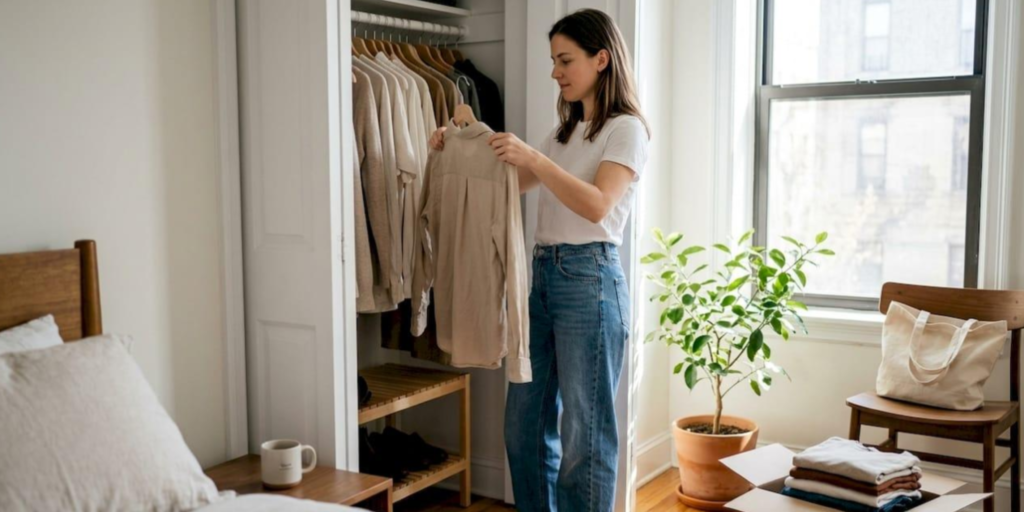
The Shift From Fast Trends to Long-Term Style
Fashion has always reflected cultural change, personal identity, and creative expression. For many years, rapidly changing trends dominated wardrobes, encouraging consumers to purchase new clothing every season to keep pace with the latest styles. While this constant cycle introduced exciting designs and fresh inspiration, it also created growing concerns related to excessive consumption, short product lifecycles, rising wardrobe clutter, and environmental responsibility. Today, a noticeable transformation is taking place as consumers increasingly embrace The Shift From Fast Trends to Long-Term Style, choosing timeless clothing over short-lived fashion movements.
Modern shoppers are becoming more thoughtful about the way they build their wardrobes. Instead of purchasing garments simply because they are temporarily popular, many individuals now evaluate quality, versatility, durability, comfort, craftsmanship, and long-term usefulness before making purchasing decisions. This change reflects not only evolving fashion preferences but also broader awareness of sustainability, financial value, and personal style development.
Understanding The Shift From Fast Trends to Long-Term Style reveals how clothing has become more than seasonal entertainment. Fashion is increasingly viewed as an investment in confidence, practicality, and self-expression rather than a continuous pursuit of changing trends. Timeless garments allow individuals to create wardrobes that remain relevant for years while reducing unnecessary purchasing and supporting more responsible consumption.
As designers continue emphasizing quality materials, classic silhouettes, versatile colors, and enduring craftsmanship, long-term style has emerged as one of the most influential movements shaping modern fashion. Rather than rejecting creativity, this approach encourages thoughtful choices that combine elegance, functionality, and sustainability in ways that benefit both individuals and the fashion industry.
Understanding Long-Term Style
Long-term style focuses on selecting clothing that remains wearable, attractive, and versatile regardless of seasonal fashion changes.
Rather than depending upon temporary popularity, this approach emphasizes timeless silhouettes, quality fabrics, balanced proportions, neutral colors, and practical wardrobe planning.
Understanding The Shift From Fast Trends to Long-Term Style begins with recognizing that personal style often develops gradually through consistent, thoughtful choices rather than rapidly changing purchases.
Fashion becomes more meaningful through intention.
Quality replaces quantity.
Confidence grows naturally.
What Defines Fast Fashion Trends
Fast fashion refers to rapidly produced clothing collections responding quickly to current market demand.
These garments often emphasize immediate visual appeal while encouraging frequent replacement as new trends emerge.
The discussion surrounding The Shift From Fast Trends to Long-Term Style does not suggest that every trend lacks value. Instead, it encourages evaluating which purchases genuinely contribute to lasting wardrobes.
Short-term excitement differs from long-term usefulness.
Fashion evolves continuously.
Thoughtful selection improves satisfaction.
Why Consumer Priorities Are Changing
Today’s shoppers increasingly value practicality alongside appearance.
People seek clothing supporting work, travel, casual activities, social occasions, and everyday comfort without requiring constant wardrobe replacement.
The growing interest in The Shift From Fast Trends to Long-Term Style reflects changing lifestyles where versatility becomes increasingly important.
Balanced wardrobes simplify daily decisions.
Practical fashion encourages confidence.
Versatility increases clothing value.
Quality Has Become More Important
Consumers increasingly recognize that higher-quality garments frequently maintain appearance, fit, and durability longer than inexpensive alternatives.
Carefully constructed clothing often withstands repeated washing while preserving fabric texture, stitching, and overall shape.
Understanding The Shift From Fast Trends to Long-Term Style includes appreciating craftsmanship alongside visual appeal.
Quality creates lasting satisfaction.
Durability supports better investments.
Well-made clothing encourages confidence.
Timeless Fashion Never Truly Disappears
Certain garments consistently remain fashionable regardless of changing trends.
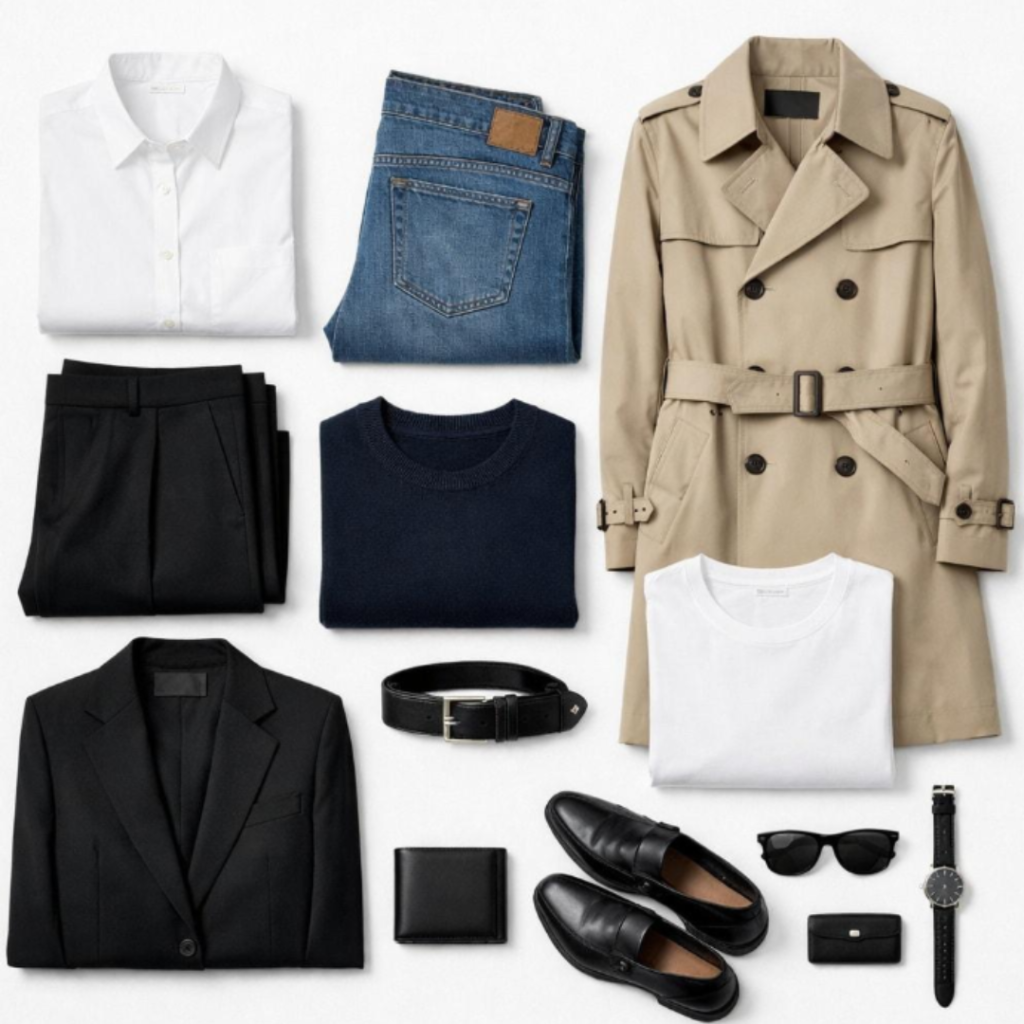
White shirts, tailored blazers, classic denim, neutral knitwear, simple dresses, trench coats, and well-designed footwear continue appearing across generations.
The continued popularity of these pieces supports The Shift From Fast Trends to Long-Term Style because timeless clothing adapts naturally to evolving personal preferences.
Classic design remains relevant.
Simplicity strengthens elegance.
Enduring style outlasts temporary trends.
The Rise of Capsule Wardrobes
Capsule wardrobes encourage owning fewer garments while maximizing outfit combinations.
Instead of purchasing numerous trend-driven pieces, individuals carefully select versatile essentials coordinating effortlessly together.
The philosophy behind The Shift From Fast Trends to Long-Term Style aligns closely with capsule wardrobe principles.
Less clothing creates more flexibility.
Organization improves efficiency.
Thoughtful planning simplifies fashion.
Sustainable Fashion Influences Modern Choices
Environmental awareness continues influencing purchasing decisions.
Consumers increasingly consider clothing longevity, material quality, ethical production, and responsible consumption before purchasing new garments.
The movement toward The Shift From Fast Trends to Long-Term Style supports sustainability by reducing unnecessary clothing replacement.
Responsible fashion creates lasting benefits.
Mindful consumption protects resources.
Quality encourages longer product lifecycles.
Investing in Versatile Clothing
Versatility significantly increases garment value.
A single blazer suitable for work, travel, casual dinners, and formal occasions often provides greater usefulness than several highly trend-specific pieces.
Understanding The Shift From Fast Trends to Long-Term Style includes evaluating how frequently garments integrate into existing wardrobes.
Versatile clothing increases practicality.
Smart purchases strengthen wardrobes.
Flexibility improves everyday styling.
Neutral Colors Support Long-Term Style
Neutral color palettes remain consistently fashionable because they coordinate effortlessly across seasons and changing trends.
Black, white, beige, navy, grey, olive, cream, and earth tones simplify outfit creation while supporting timeless elegance.
Color selection strengthens The Shift From Fast Trends to Long-Term Style by increasing wardrobe compatibility.
Balanced colors encourage versatility.
Timeless shades remain dependable.
Simple palettes reduce styling challenges.
Personal Style Over Social Media Trends
Digital platforms introduce countless fashion inspirations every day.
While creativity remains valuable, constantly following online trends may encourage unnecessary purchasing.
Developing personal style supports The Shift From Fast Trends to Long-Term Style because authentic wardrobes reflect individual preferences rather than temporary popularity.
Personal expression creates confidence.
Individuality strengthens fashion.
Authenticity remains timeless.
Fabric Quality Shapes Longevity
Fabric selection significantly influences clothing lifespan.
Natural fibers, premium blends, thoughtful construction, and durable finishing often improve wear resistance while maintaining appearance.
The relationship between fabric quality and The Shift From Fast Trends to Long-Term Style demonstrates that materials matter as much as design.
Better fabrics improve experience.
Quality supports sustainability.
Thoughtful craftsmanship creates value.
Clothing Care Extends Wardrobe Life
Proper maintenance preserves garments considerably longer.
Gentle washing, appropriate drying, careful storage, and timely repairs protect clothing quality while reducing unnecessary replacement.
Understanding The Shift From Fast Trends to Long-Term Style includes appreciating garment care as part of responsible fashion.
Maintenance protects investment.
Care extends durability.
Attention preserves appearance.
Building Confidence Through Consistent Style
Personal confidence often develops through familiarity rather than constant wardrobe experimentation.
Wearing clothing that fits well, feels comfortable, and reflects authentic personality creates stronger self-assurance than chasing every emerging trend.
Confidence plays an essential role within The Shift From Fast Trends to Long-Term Style.
Comfort encourages authenticity.
Well-fitting clothing improves appearance.
Confidence completes every outfit.
Financial Benefits of Long-Term Style
Thoughtful purchasing often produces financial advantages over time.
Buying fewer, higher-quality garments may reduce repeated replacement costs while increasing wardrobe satisfaction.
The financial perspective strengthens The Shift From Fast Trends to Long-Term Style because smart investments frequently provide greater long-term value.
Quality supports responsible budgeting.
Durability reduces unnecessary spending.
Wise decisions create lasting benefits.
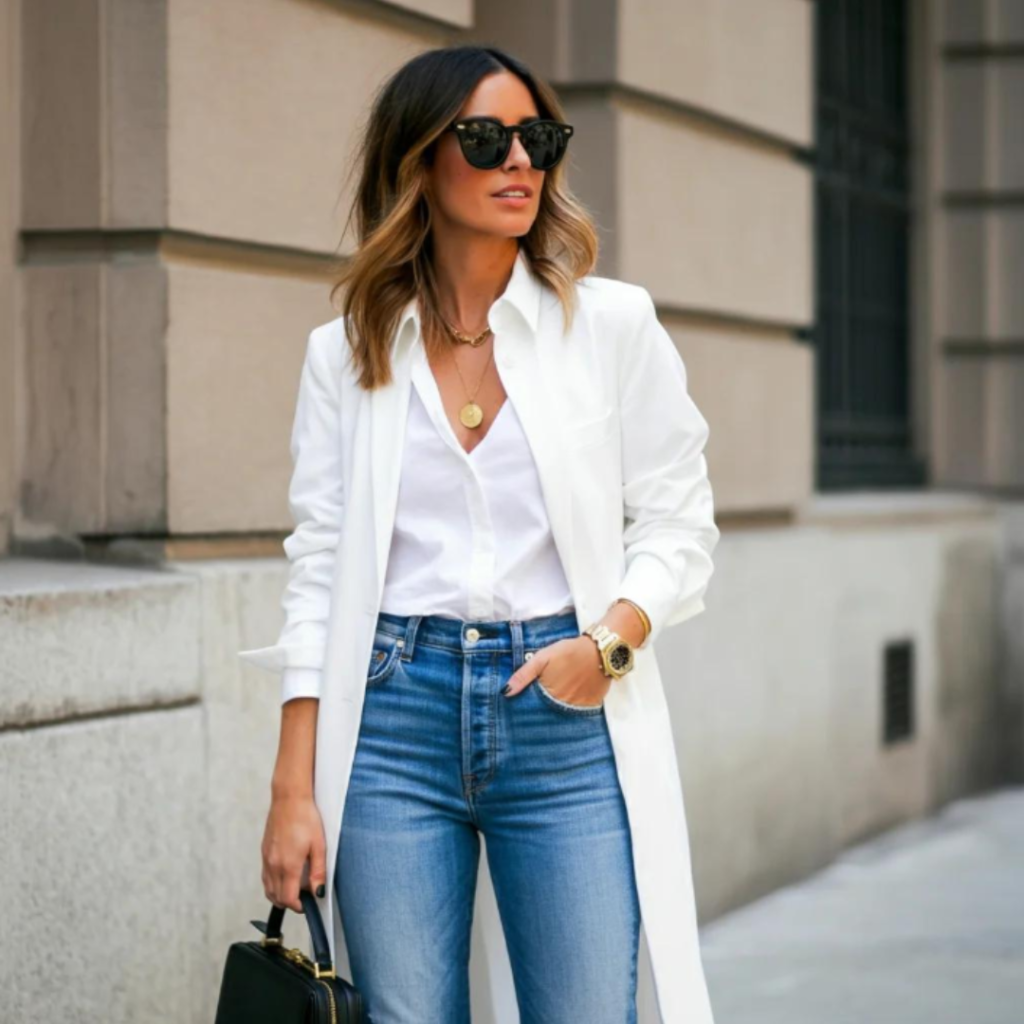
Accessories That Never Go Out of Style
Accessories also contribute to timeless wardrobes.
Leather handbags, minimalist watches, classic belts, neutral scarves, elegant jewelry, and versatile footwear consistently complement changing fashion.
Accessories reinforce The Shift From Fast Trends to Long-Term Style by extending outfit possibilities without requiring complete wardrobe replacement.
Small details create variety.
Classic accessories remain useful.
Versatility strengthens fashion.
Fashion Brands Are Responding
Many designers increasingly emphasize durability, sustainability, repairability, and timeless collections instead of constant seasonal replacement.
Consumers appreciate clothing supporting longer ownership while maintaining contemporary appeal.
Industry evolution reflects The Shift From Fast Trends to Long-Term Style through changing design priorities.
Fashion adapts to consumer values.
Innovation encourages responsibility.
Quality becomes competitive advantage.
Long-Term Style Across Every Season
Timeless wardrobes adapt naturally throughout the year.
Layering techniques allow classic garments to transition between spring, summer, autumn, and winter without requiring complete wardrobe changes.
Seasonal flexibility supports The Shift From Fast Trends to Long-Term Style by increasing garment usefulness.
Layering improves versatility.
Seasonal adaptation strengthens value.
Thoughtful wardrobes remain practical.
The Future of Fashion
Fashion continues evolving through sustainability, digital innovation, advanced textiles, ethical manufacturing, circular production, and personalized styling.
Future wardrobes will likely emphasize flexibility, longevity, and environmental responsibility even more strongly.
These developments reinforce The Shift From Fast Trends to Long-Term Style as an ongoing transformation rather than a temporary movement.
Innovation strengthens timeless design.
Responsible fashion continues growing.
Long-term thinking shapes the future.
Creating a Wardrobe That Lasts
Building a lasting wardrobe requires patience rather than urgency.
Choosing quality garments gradually allows individuals to develop collections reflecting genuine lifestyle needs instead of temporary impulses.
Understanding The Shift From Fast Trends to Long-Term Style encourages consistent decision-making that balances practicality with creativity.
Intentional shopping creates stronger wardrobes.
Patience supports better choices.
Style develops naturally.
Conclusion
The Shift From Fast Trends to Long-Term Style represents one of the most meaningful transformations in modern fashion. Instead of constantly replacing clothing to follow short-lived trends, more people are choosing timeless garments, quality craftsmanship, versatile designs, and thoughtful wardrobe planning that deliver lasting value. This approach not only creates more elegant and practical wardrobes but also encourages greater financial responsibility, sustainable consumption, and personal confidence. By investing in classic silhouettes, durable fabrics, neutral color palettes, and adaptable essentials, individuals can build wardrobes that remain relevant through changing seasons and evolving fashion preferences.
As you embrace The Shift From Fast Trends to Long-Term Style, remember that timeless fashion is not about limiting creativity—it is about making intentional choices that reflect your personality, lifestyle, and long-term goals. A carefully curated wardrobe filled with well-made clothing, versatile accessories, and enduring designs allows you to dress with confidence every day while reducing unnecessary purchases and supporting a more responsible fashion future. In the end, lasting style is not defined by how often trends change, but by how consistently your wardrobe continues to serve you with elegance, comfort, and authenticity.