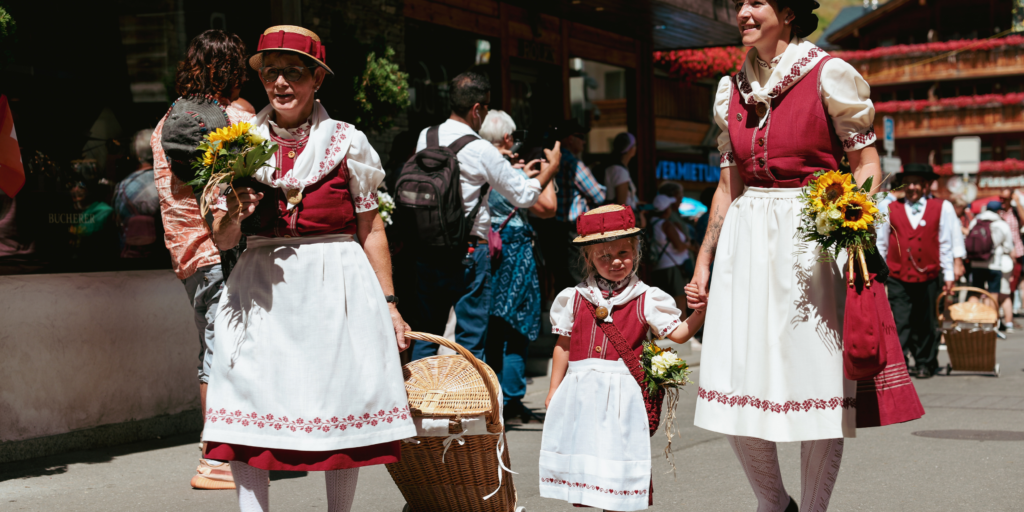
Why Local Fashion Traditions Still Matter Today
Fashion is often associated with innovation, changing trends, and global influence. New collections appear every season, digital platforms introduce fresh styles daily, and consumers have access to fashion inspiration from almost every corner of the world. Despite this rapid evolution, local fashion traditions continue to hold remarkable importance in modern society. While global fashion trends shape contemporary wardrobes, traditional clothing practices, regional craftsmanship, and cultural fashion heritage remain deeply meaningful. These traditions connect communities to their history, preserve artistic knowledge, and contribute to a stronger sense of identity in an increasingly interconnected world.
Local fashion traditions represent far more than clothing. They reflect stories, customs, values, and experiences that have been passed down through generations. Traditional garments often carry symbolic meaning, showcasing regional artistry and cultural pride. From handwoven textiles and intricate embroidery to distinctive patterns and ceremonial attire, local clothing traditions reveal the creativity and heritage of the communities that created them.
As modern fashion continues to evolve, there is growing recognition of the value of preserving traditional fashion practices. Consumers are increasingly interested in authenticity, sustainability, and cultural connection, all of which are closely linked to heritage fashion. Understanding why local fashion traditions still matter today highlights the enduring relevance of cultural identity, craftsmanship, and community in a rapidly changing fashion landscape.
The Deep Connection Between Fashion and Culture
Fashion and culture have always been closely connected. Clothing serves as a visible expression of identity, values, and traditions. Throughout history, communities have used garments to communicate social roles, celebrate important occasions, and preserve cultural practices.
Local fashion traditions play a vital role in maintaining cultural continuity. Traditional clothing often reflects regional history, environmental conditions, and artistic influences that have developed over centuries. These garments become symbols of belonging and shared identity.
Cultural fashion heritage helps individuals understand where they come from while strengthening connections to family and community. Traditional attire worn during festivals, ceremonies, and cultural celebrations often carries emotional significance because it represents collective memories and shared experiences.
Fashion and culture continue to influence one another even as societies modernize. While contemporary styles evolve rapidly, traditional fashion remains a reminder of cultural roots and historical continuity. This balance between innovation and heritage contributes to a richer and more diverse fashion landscape.
Although globalization has increased access to international trends, many people continue to value traditional clothing culture because it preserves unique cultural identities that might otherwise be overshadowed.
How Local Fashion Traditions Preserve Cultural Identity
Cultural identity fashion serves as a powerful reminder of community heritage and personal belonging. Traditional garments often contain visual elements that communicate cultural values, regional influences, and historical narratives.
Local clothing traditions help preserve these identities by maintaining practices that have been passed down through generations. Each textile pattern, embroidery technique, weaving method, or decorative detail often carries cultural significance that extends beyond appearance.
Fashion heritage preservation becomes especially important in a world where cultural homogenization can sometimes diminish regional distinctions. Traditional fashion helps communities maintain their uniqueness while celebrating their contributions to broader cultural conversations.
People often experience a sense of pride and connection when wearing clothing that reflects their heritage. These garments strengthen cultural awareness and encourage younger generations to appreciate traditional craftsmanship and history.
At times, preserving cultural identity through fashion may require overcoming challenges such as declining artisan populations or changing consumer preferences. However, continued interest in heritage fashion demonstrates its enduring relevance.
The Importance of Traditional Craftsmanship
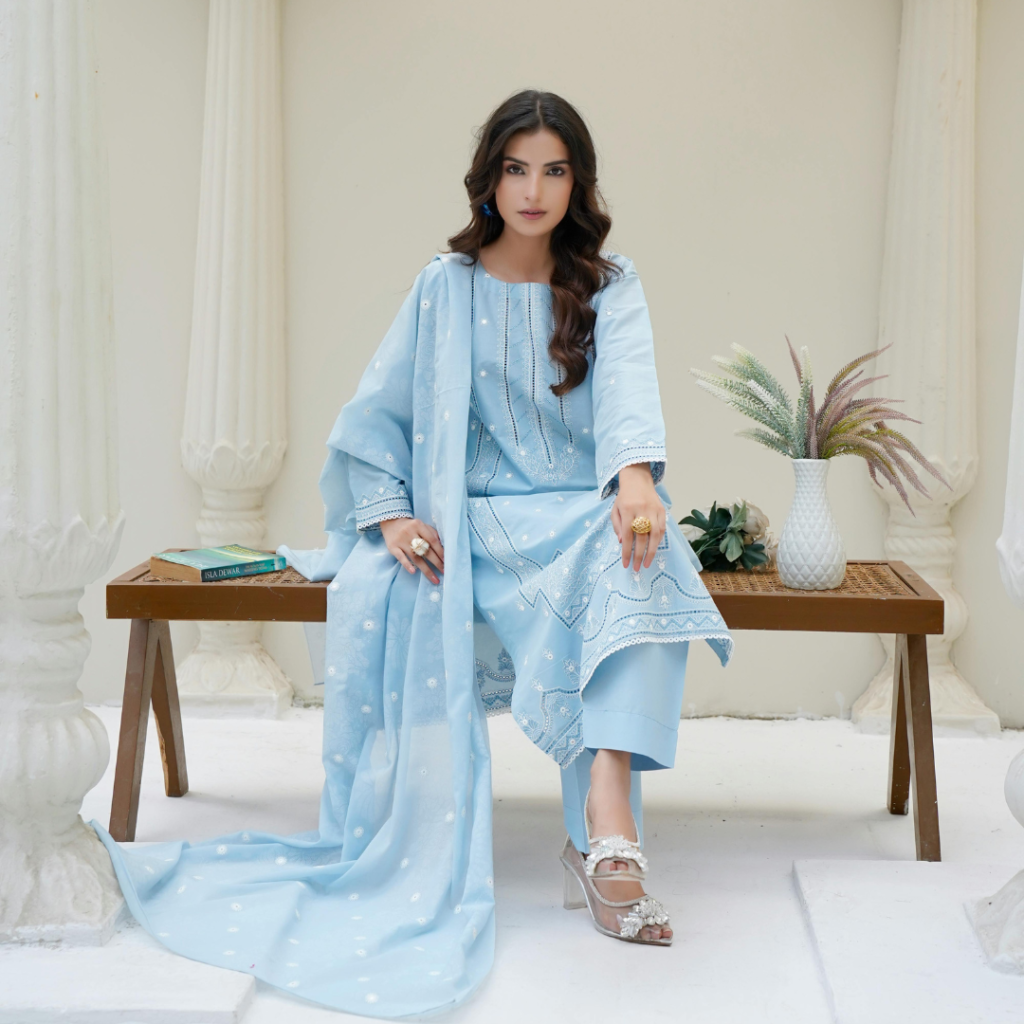
Traditional craftsmanship remains one of the most valuable aspects of local fashion traditions. Skilled artisans often dedicate years to mastering techniques that have been refined over generations. Their work reflects patience, creativity, and cultural knowledge.
Traditional craftsmanship includes weaving, embroidery, dyeing, tailoring, beadwork, and other specialized methods that contribute to the uniqueness of heritage fashion. These techniques often require significant expertise and attention to detail.
Local artisan fashion supports communities by preserving employment opportunities and encouraging economic sustainability. Consumers who purchase handcrafted garments often contribute directly to the continuation of traditional skills and cultural practices.
Fashion heritage benefits greatly from artisan involvement because these individuals serve as custodians of knowledge. Without their expertise, many traditional techniques could disappear over time.
Although mass production offers efficiency and affordability, handcrafted fashion provides authenticity and cultural depth that cannot easily be replicated. This distinction explains why traditional craftsmanship continues to attract appreciation from consumers seeking meaningful and unique products.
Why Traditional Textiles Remain Relevant
Traditional textiles represent an important part of cultural fashion heritage. Many regions around the world are known for distinctive fabrics, weaving styles, and dyeing techniques that reflect local history and resources.
Traditional textiles often embody generations of artistic development. The colors, patterns, and materials used in these fabrics frequently hold symbolic meaning and cultural significance. They tell stories about communities, environments, and historical influences.
Fashion heritage preservation increasingly focuses on protecting traditional textile production because these materials contribute to cultural diversity and creative expression. Consumers are showing renewed interest in textiles that offer authenticity and craftsmanship.
Regional fashion styles frequently incorporate traditional fabrics into contemporary designs. This blending of heritage and modernity allows traditional textiles to remain relevant while appealing to new audiences.
While industrial manufacturing has transformed the textile industry, traditional fabrics continue to provide distinctive qualities that many consumers value. Their uniqueness contributes to the enduring appeal of local fashion traditions.
The Role of Sustainability in Traditional Fashion
Sustainability has become a major focus within the modern fashion industry. Interestingly, many local fashion traditions have long embraced principles that align with contemporary sustainability goals.
Sustainable fashion traditions often emphasize durability, quality craftsmanship, and responsible use of resources. Traditional garments were frequently designed to last for years rather than follow short-lived trends. This approach encouraged mindful consumption and reduced waste.
Local artisan fashion also supports sustainability by promoting small-scale production and reducing reliance on mass manufacturing systems. Consumers who invest in handcrafted products often value quality and longevity over excessive consumption.
Fashion and culture intersect strongly in this context because traditional practices often reflect deep respect for natural materials and community resources. These values resonate with modern consumers seeking more responsible purchasing choices.
Although adapting traditional methods to contemporary markets can present challenges, the sustainability benefits associated with heritage fashion continue to attract attention and appreciation.
How Regional Fashion Styles Influence Modern Design
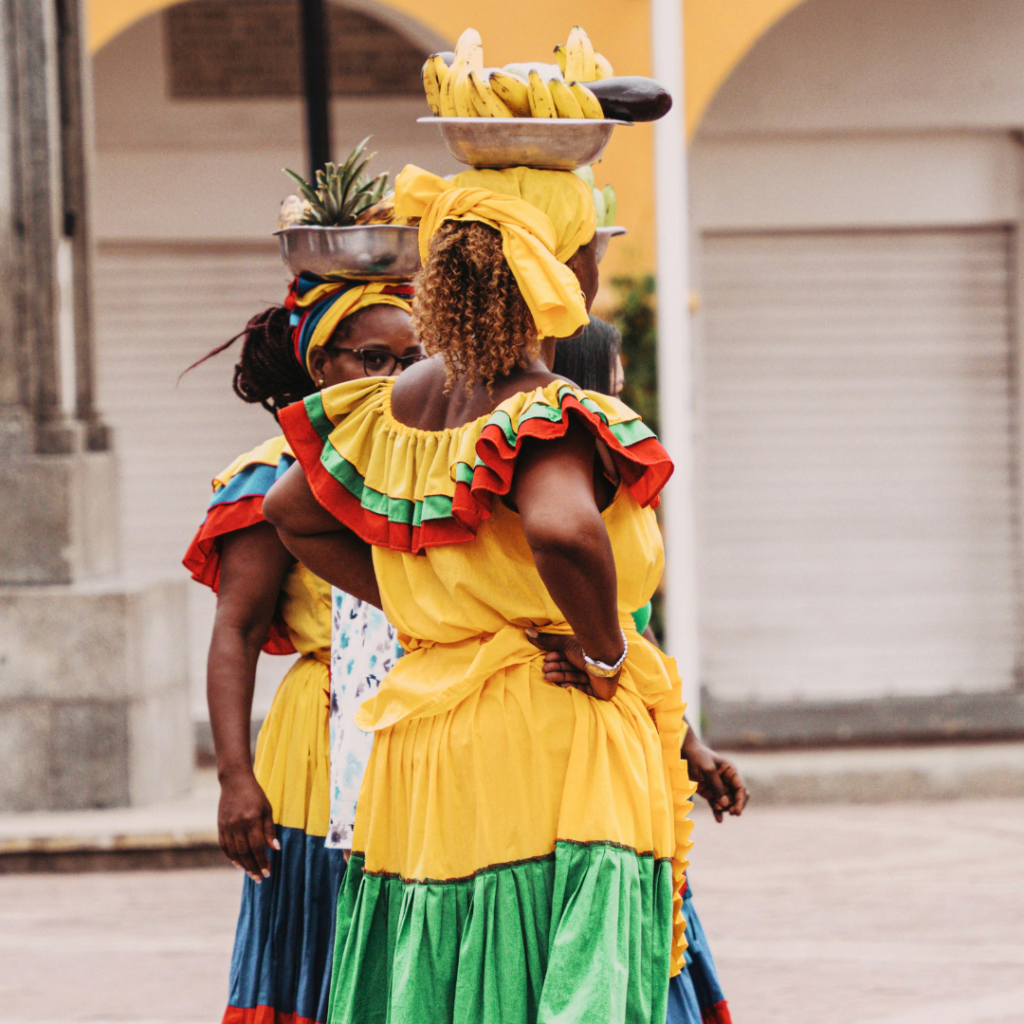
Regional fashion styles continue to inspire designers around the world. Traditional garments, textile patterns, and craftsmanship techniques frequently influence contemporary collections and fashion innovation.
Fashion heritage serves as a source of creativity because it offers rich visual traditions and unique artistic perspectives. Designers often draw inspiration from local clothing traditions while adapting elements to suit modern lifestyles and preferences.
The integration of traditional and contemporary influences creates opportunities for cultural exchange and innovation. Consumers gain access to designs that combine historical significance with modern functionality.
Regional fashion styles also contribute to greater diversity within the fashion industry. By celebrating local traditions, designers help ensure that fashion remains inclusive and culturally rich.
However, respectful representation remains essential. Fashion brands must recognize the origins and significance of cultural elements while supporting the communities that preserve them.
When approached thoughtfully, the fusion of heritage and modern design can strengthen appreciation for cultural fashion heritage.
The Economic Value of Local Fashion Traditions
Beyond cultural significance, local fashion traditions contribute to economic development. Artisan communities, textile producers, and heritage fashion businesses often rely on traditional craftsmanship for income and sustainability.
Fashion heritage preservation can create opportunities for tourism, entrepreneurship, and community development. Cultural festivals, craft markets, and heritage-focused fashion initiatives attract visitors while generating economic activity.
Local artisan fashion also encourages consumers to support small businesses and independent creators. These purchases help sustain traditional skills and strengthen local economies.
The growing demand for authentic products has increased interest in heritage fashion. Consumers increasingly seek garments with meaningful stories and cultural significance rather than purely trend-driven appeal.
While economic challenges may affect traditional industries, continued consumer interest creates opportunities for growth and preservation.
Why Local Fashion Traditions Matter in a Globalized World
Globalization has transformed fashion by increasing access to international styles and trends. While this connectivity offers many benefits, it also raises questions about cultural preservation and identity.
Local fashion traditions matter because they provide balance within an increasingly global marketplace. They remind people of their roots while contributing diversity to the fashion industry. Without regional traditions, fashion could become more uniform and less culturally expressive.
Cultural identity fashion helps communities maintain a sense of belonging amid rapid social and technological change. Traditional garments offer continuity and connection while celebrating unique histories and experiences.
Fashion and culture remain deeply intertwined because clothing serves as both a personal and collective form of expression. Preserving local traditions ensures that future generations can continue learning from and appreciating their cultural heritage.
Although modernization may influence clothing choices, heritage fashion continues to provide meaningful ways for individuals and communities to celebrate identity and history.
Conclusion
Local fashion traditions still matter today because they preserve cultural identity, support traditional craftsmanship, promote sustainability, and strengthen community connections. Through cultural fashion heritage, traditional textiles, regional fashion styles, and local artisan fashion, these traditions contribute to a richer and more diverse fashion landscape.
Fashion heritage preservation helps ensure that valuable knowledge, artistic techniques, and cultural stories remain accessible for future generations. At the same time, traditional fashion continues influencing modern design, demonstrating its ongoing relevance in contemporary society.
As consumers increasingly value authenticity, sustainability, and meaningful experiences, local fashion traditions are gaining renewed appreciation. Their enduring importance reminds us that fashion is not only about trends and innovation—it is also about history, culture, identity, and the human stories woven into every garment.