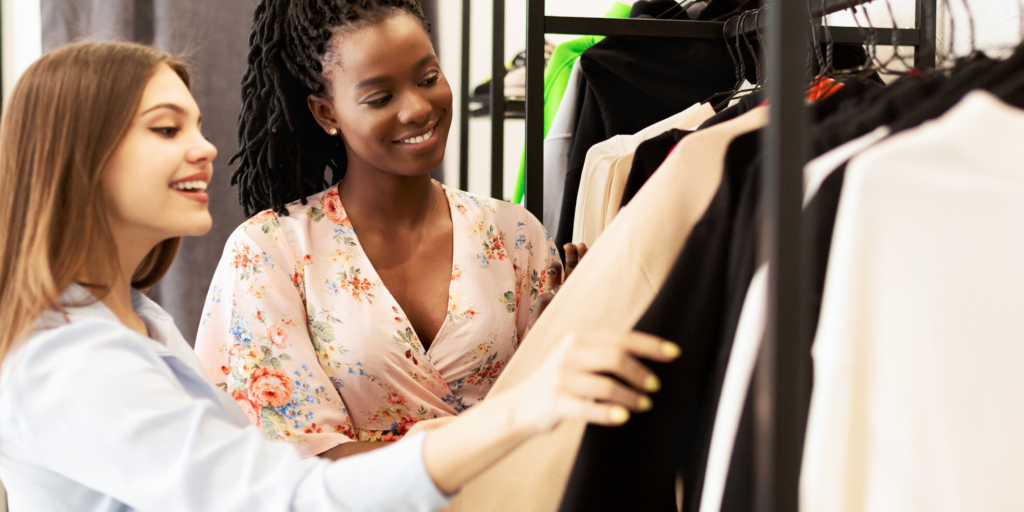
How to Find Your Personal Fashion Style and Create a Wardrobe That Feels Authentic
Fashion is often associated with luxury brands, social media trends, and constantly changing aesthetics. However, personal style goes much deeper than temporary fashion movements. The way you dress reflects your personality, mood, confidence, and lifestyle choices. A thoughtfully curated wardrobe can communicate individuality without needing loud statements or expensive labels.
Many people struggle to identify their own style because fashion trends evolve rapidly. Social media platforms introduce new aesthetics every week, making it difficult to determine what genuinely feels natural and wearable. Instead of helping people express themselves, trend overload often creates confusion and unnecessary pressure.
Finding your personal fashion style is not about copying influencers or completely replacing your wardrobe overnight. It is a gradual process of understanding which colors, silhouettes, fabrics, and outfit combinations make you feel confident and comfortable. Once you discover what truly suits your personality and lifestyle, getting dressed becomes easier and far more enjoyable.
A strong personal style also helps simplify shopping decisions, improve wardrobe organization, and reduce unnecessary spending. Rather than purchasing random trend-driven pieces, you begin investing in clothing that consistently works together and supports your everyday routine.
Why Personal Fashion Style Matters
Personal style influences the way people see themselves and how they present themselves socially and professionally. Clothing choices create visual impressions long before conversations begin.
Developing a clear fashion identity provides several long-term benefits.
Increased Confidence
Wearing clothing that genuinely reflects your personality naturally improves confidence and comfort throughout the day.
Easier Outfit Planning
A well-defined style makes daily dressing simpler because wardrobe pieces coordinate more easily.
Smarter Shopping Habits
Understanding your fashion preferences helps reduce impulse purchases and unnecessary clutter.
Stronger Self-Expression
Personal style allows you to express individuality instead of constantly following temporary trends.
Fashion should feel empowering rather than stressful. When your wardrobe reflects who you are, clothing becomes a tool for confidence rather than confusion.
Start by Understanding Your Lifestyle
One of the biggest mistakes people make when building a wardrobe is ignoring their actual daily routine. Clothing should support your lifestyle instead of creating inconvenience.
Ask yourself:
- Do you prefer casual or polished outfits?
- Is comfort important in your daily schedule?
- Do you work in a formal environment?
- Do you attend social events frequently?
- Do you spend more time outdoors or indoors?
- Which outfits make you feel relaxed and confident?
Someone with an active lifestyle may naturally gravitate toward relaxed streetwear and sneakers, while another person may prefer elegant tailoring or minimalist fashion.
A practical wardrobe always feels more wearable and sustainable over time.
Analyze the Clothing You Already Love Wearing
Your existing wardrobe often reveals valuable information about your authentic style preferences.
Open your closet and identify:
- Clothing you wear repeatedly
- Colors you naturally choose
- Fabrics that feel comfortable
- Silhouettes that suit your body language
- Outfit combinations you rely on most
Patterns usually appear quickly. Some people consistently choose neutral oversized pieces, while others prefer feminine dresses, structured blazers, or artistic layering.
Understanding these habits helps clarify your fashion identity naturally instead of forcing trends that do not align with your personality.
Explore Different Fashion Aesthetics
Fashion includes many style categories, and exploring them can help you discover what feels most authentic.
Minimalist Fashion
Minimal style focuses on neutral colors, clean tailoring, timeless silhouettes, and understated elegance.
Urban Streetwear
Streetwear combines oversized clothing, sneakers, relaxed layering, hoodies, and contemporary urban influences.
Classic Style
Classic wardrobes include polished essentials such as white shirts, blazers, straight-leg trousers, and timeless accessories.
Romantic Fashion
Romantic aesthetics feature flowing fabrics, delicate details, soft tones, and feminine silhouettes.
Bohemian Fashion
Bohemian style emphasizes relaxed fits, earthy tones, artistic prints, and textured materials.
Edgy Contemporary Fashion
Edgy fashion often incorporates darker colors, leather jackets, statement boots, and bold accessories.
Most people combine multiple influences to create a style that feels unique and personal.
For outfit inspiration and visual references, browse Pinterest Fashion Inspiration.
Create a Personal Style Inspiration Board
Mood boards are one of the easiest ways to organize fashion inspiration and identify recurring visual themes.
You can create one using:
- Pinterest boards
- Instagram collections
- Fashion magazines
- Digital collage apps
Save images that immediately capture your attention, including:
- Outfit ideas
- Color palettes
- Fabrics and textures
- Accessories
- Fashion photography
After collecting enough references, you may notice recurring styling patterns that help define your aesthetic direction.
This process allows you to develop originality instead of copying individual outfits directly.
Prioritize Fit Instead of Trends
One of the most important fashion lessons is understanding that proper fit matters more than trends.
Clothing should complement your proportions while remaining comfortable and wearable. Even simple outfits appear elevated when they fit properly.
Helpful Fit Guidelines
- Tailored pieces create balance
- Oversized clothing should maintain proportion
- Comfortable fabrics improve confidence
- Proper layering adds structure
Fashion becomes significantly more effective when outfits feel natural rather than forced.
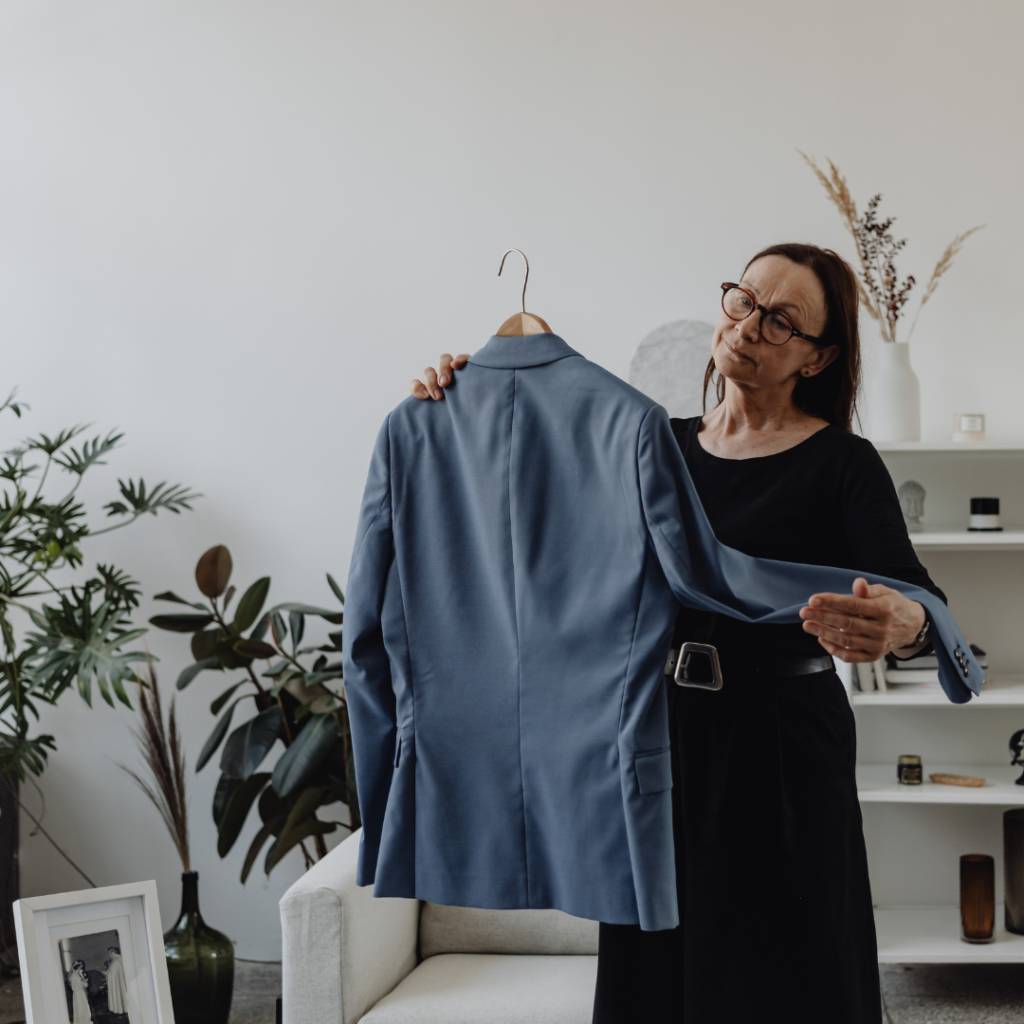
Build a Functional Wardrobe Foundation
A versatile wardrobe begins with timeless essentials that can be styled repeatedly.
Essential Wardrobe Staples
- Neutral t-shirts
- White button-down shirts
- Comfortable denim
- Versatile jackets
- Relaxed trousers
- Minimal sneakers
- Layering knitwear
- Structured handbags
Once foundational pieces are established, adding trend-driven items becomes much easier.
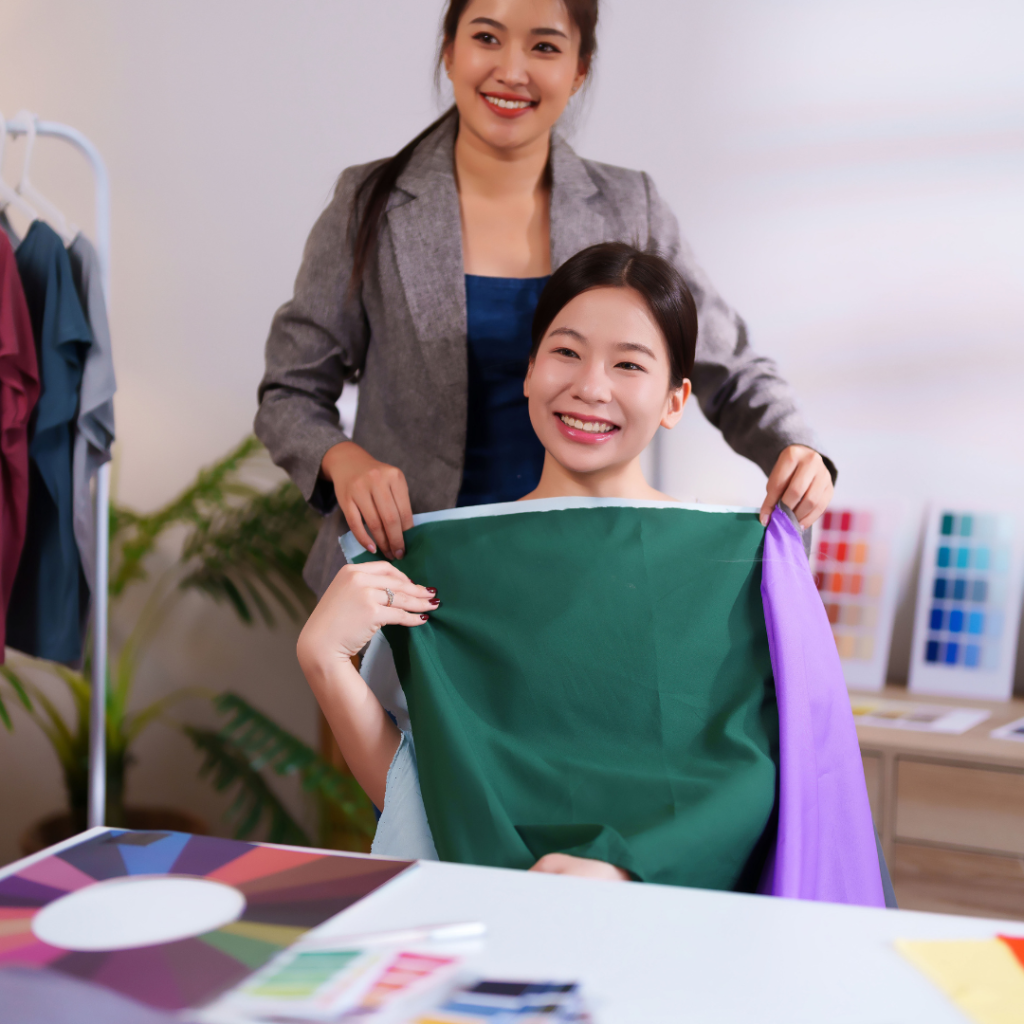
Understand Which Colors Suit You Best
Color strongly influences your overall aesthetic and visual identity.
Some people naturally feel more confident in neutral shades, while others enjoy bold statement colors.
Timeless Neutral Shades
Neutral wardrobes remain versatile and elegant:
- Black
- White
- Beige
- Cream
- Gray
- Olive
Bold Fashion Colors
Bright tones help create energetic styling:
- Emerald green
- Red
- Royal blue
- Burnt orange
- Purple
Experimenting with different color combinations helps refine your personal style over time.
Accessories Can Strengthen Your Signature Look
Accessories help personalize outfits while adding visual interest to simple clothing combinations.
Popular Fashion Accessories
- Minimal jewelry
- Watches
- Sunglasses
- Leather belts
- Structured handbags
- Sneakers or boots
- Silk scarves
Even basic outfits can appear polished and intentional with carefully chosen accessories.
Avoid Comparing Yourself to Social Media Trends
Social media can inspire creativity, but constantly comparing your wardrobe to influencers often leads to frustration.
Authentic style develops through self-awareness and experimentation rather than imitation.
Instead of copying outfits exactly:
- Adapt inspiration to your lifestyle
- Prioritize comfort
- Choose wearable trends
- Focus on versatility
The goal is not to look identical to someone else but to create a wardrobe that genuinely reflects your personality.
Shop More Intentionally
Impulse shopping often creates cluttered wardrobes filled with clothing that rarely gets worn.
Before purchasing something new, ask yourself:
- Will this work with my current wardrobe?
- Can I style it multiple ways?
- Does it match my aesthetic?
- Is the quality durable?
- Will I still enjoy wearing it next year?
Mindful shopping helps build a more cohesive and functional closet while reducing unnecessary spending.
Common Mistakes People Make When Finding Their Style
Following Every Trend
Constantly changing aesthetics can make wardrobes feel disconnected and inconsistent.
Ignoring Comfort
Fashion should improve confidence rather than create discomfort.
Overcomplicating Outfits
Simple styling often appears more elegant and timeless than excessive layering.
Buying Without Planning
Unplanned purchases usually result in clothing that does not coordinate with existing pieces.
Personal Style Naturally Evolves Over Time
Fashion preferences change as people grow personally and professionally. Your wardrobe today may look very different from your wardrobe several years ago, and that evolution is completely normal.
Lifestyle changes, confidence, career growth, and personal experiences all influence style development over time.
Instead of trying to achieve perfection instantly, focus on creating a wardrobe that currently reflects your personality and supports your everyday life.
Fashion should remain flexible, creative, and enjoyable.
Final Thoughts
Discovering your personal fashion style is a rewarding process built through experimentation, self-awareness, and confidence. Rather than chasing temporary trends, true style develops from understanding which clothing choices genuinely suit your personality, lifestyle, and comfort level.
By exploring different aesthetics, organizing inspiration, prioritizing fit, building timeless wardrobe essentials, and shopping more intentionally, you can create a wardrobe that feels both practical and authentic.
Whether your style leans toward minimalist elegance, modern streetwear, romantic dressing, or classic tailoring, the most important element is authenticity. Fashion becomes truly meaningful when it reflects who you are instead of who trends expect you to become.
More Blogs you may read
Renting Fashion Instead of Buying: The Smart Guide to Sustainable Style and Affordable Luxury 2026
Renting Fashion Instead of Buying Fashion has always reflected personal...
Read More
Understanding Hair Breakage: Causes, Prevention, and Healthy Hair Care Tips 2026
Understanding Hair Breakage Healthy hair is often seen as a...
Read MoreWhy Sunscreen Is Essential Indoors: The Complete Guide to Everyday Indoor Sun Protection 2026
Why Sunscreen Is Essential Indoors Many people associate sunscreen with...
Read More