
The Problem with Fashion Copycat Culture
Introduction
Fashion has always been influenced by inspiration. Throughout history, designers have learned from one another, consumers have adopted popular styles, and cultural movements have shaped the way people dress. Inspiration is a natural part of creativity, and it has helped fashion evolve into one of the most dynamic industries in the world.
However, modern fashion culture has introduced a different phenomenon. Instead of simply drawing inspiration from trends, many people now find themselves replicating the exact looks, outfits, and styles they see online. This growing trend has created what many observers describe as fashion copycat culture.
Fashion copycat culture occurs when consumers prioritize imitation over individuality. Rather than developing a unique personal style, people often mirror influencers, celebrities, and viral fashion creators. Social media fashion platforms have accelerated this behavior by making trends spread globally within hours.
At first glance, copying a fashion trend may seem harmless. After all, fashion has always involved adaptation and influence. Yet the increasing dominance of fashion copycat culture raises important questions about creativity, self-expression, fashion identity, and consumer behavior.
As modern fashion continues evolving, many consumers are beginning to wonder whether personal style is slowly being replaced by trend-driven uniformity. Understanding the impact of fashion copycat culture helps explain why authenticity is becoming more valuable than ever before.
How Fashion Copycat Culture Developed
Fashion trends have existed for centuries, but the speed at which they spread today is unprecedented. In the past, trends moved gradually through magazines, fashion shows, television, and retail stores. Consumers often adapted trends according to their personal preferences and local culture.
The digital age transformed this process entirely. Social media fashion platforms now deliver constant exposure to influencers, celebrities, fashion creators, and trend forecasts. Millions of users can view the same outfit within minutes.
As a result, fashion influence has become more centralized. A single viral look can inspire countless copies across different countries and communities almost immediately.
This environment encourages replication rather than experimentation. Consumers often feel safer following proven trends than exploring their own fashion identity.
The rise of fashion copycat culture is closely connected to this shift in how trends are distributed and consumed.
The Difference Between Inspiration and Imitation
There is an important distinction between inspiration and imitation. Inspiration encourages creativity by providing ideas that individuals adapt according to their preferences and circumstances.
Imitation, on the other hand, often involves reproducing styles with little personal interpretation. Instead of using trends as starting points, consumers attempt to recreate complete looks exactly as they appear online.
Fashion inspiration supports self-expression because it leaves room for individuality. Fashion imitation reduces opportunities for creativity because personal choices become secondary to replication.
This distinction matters because fashion was traditionally celebrated as a form of personal communication. Clothing allowed individuals to express identity, personality, values, and cultural influences.
When imitation becomes the dominant approach, fashion begins losing some of its most meaningful characteristics.
Social Media Fashion and the Pressure to Conform
Social media fashion has become one of the strongest forces driving fashion copycat culture. Platforms constantly expose users to carefully curated outfits, styling videos, shopping recommendations, and trend analyses.
While this content can provide valuable style inspiration, it also creates subtle pressure to conform. Consumers often see the same trends repeated by multiple creators, making certain styles appear universally accepted.
The desire to fit in is a natural human instinct. Many people worry about appearing outdated or disconnected from current fashion trends. As a result, they adopt popular styles even when those styles may not align with their personal preferences.
This pressure contributes to fashion uniformity. Large numbers of consumers begin wearing similar outfits, purchasing similar products, and following identical styling advice.
The more visible a trend becomes, the stronger its influence on consumer behavior.
Why Personal Style Is Becoming Harder to Define
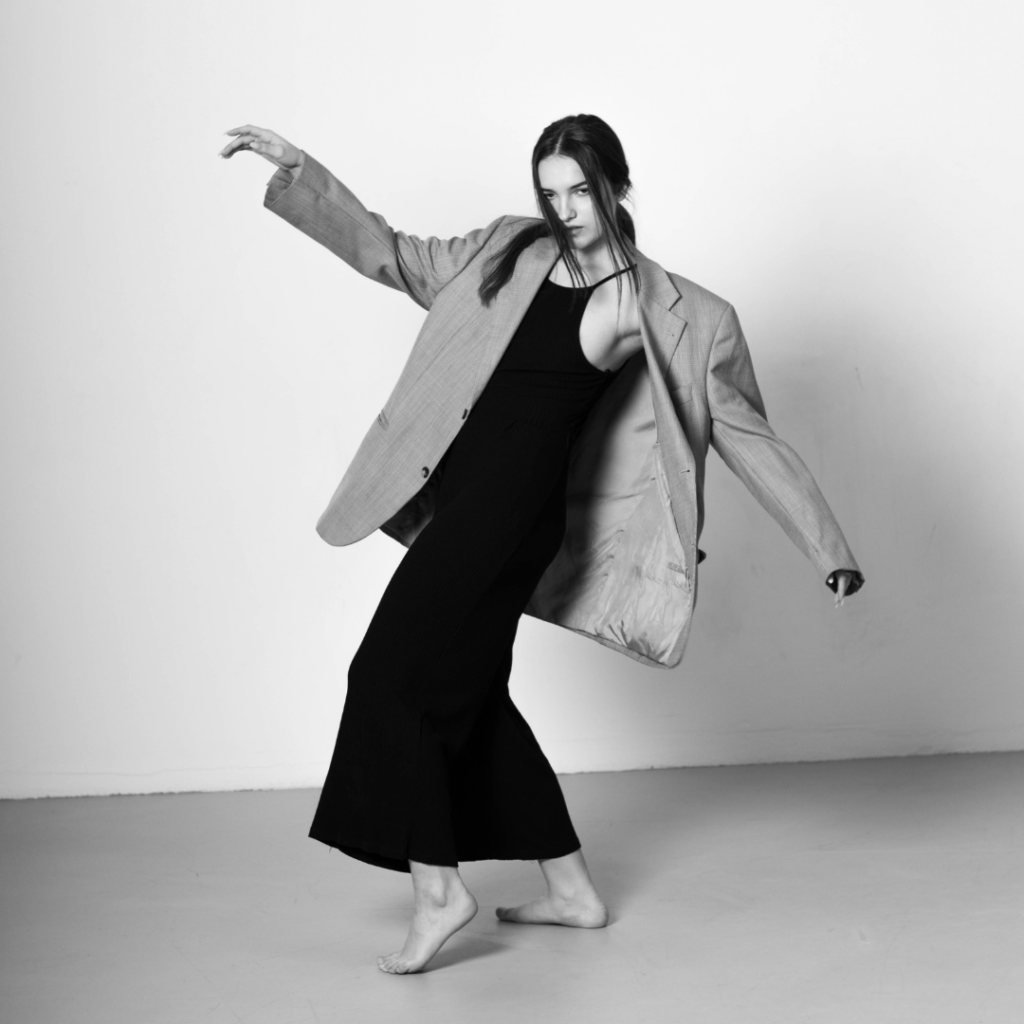
Personal style develops through experimentation, confidence, and self-awareness. It evolves gradually as individuals discover what makes them feel comfortable, expressive, and authentic.
Fashion copycat culture can interfere with this process. Constant exposure to trends makes it difficult to separate personal preferences from external influences.
Many consumers struggle to identify what they genuinely like because their fashion choices are heavily shaped by social media recommendations and trend culture. Instead of asking what reflects their personality, they focus on what is currently popular.
Over time, this reliance on external guidance weakens fashion individuality. Wardrobes become collections of trend-driven purchases rather than reflections of authentic style.
The result is often confusion rather than confidence.
Fashion Identity in a Trend-Driven World
Fashion identity is closely connected to self-expression. Clothing communicates aspects of personality without requiring words. It reflects lifestyle choices, cultural influences, values, and creativity.
In a copycat culture, however, fashion identity can become diluted. When consumers prioritize imitation, clothing stops serving as a unique expression of individuality.
Instead, outfits become symbols of trend participation. People wear certain styles because they are popular rather than meaningful.
This shift changes the role fashion plays in everyday life. Clothing becomes less about personal storytelling and more about social alignment.
While trends can certainly be enjoyable, relying exclusively on them may limit opportunities for authentic self-expression.
The Impact on Fashion Creativity
Fashion creativity thrives on originality. Designers, stylists, and consumers contribute to fashion’s evolution by introducing fresh perspectives and unique ideas.
Fashion copycat culture can create challenges for creativity because it encourages repetition. Viral trends are often reproduced thousands of times, leaving little room for experimentation.
When consumers prioritize replication, creative risk-taking becomes less common. Individuals may avoid trying new combinations, colors, or styles because they fear deviating from popular trends.
This pattern affects both consumers and the broader fashion industry. Creativity flourishes when diversity of expression is encouraged.
Uniformity may generate short-term popularity, but originality remains essential for long-term innovation.
The Psychology Behind Fashion Copying
Fashion psychology offers valuable insights into why copycat culture has become so widespread. People often imitate others because imitation reduces uncertainty.
Choosing clothing can feel overwhelming. Trends provide clear guidance, making decision-making easier. If a style is already popular, consumers may assume it is socially acceptable and fashionable.
Imitation also creates a sense of belonging. Wearing similar styles helps individuals feel connected to groups, communities, and cultural movements.
However, excessive reliance on imitation can reduce confidence in personal judgment. Consumers may begin doubting their own preferences and looking externally for validation.
This dependence on external approval weakens the relationship between fashion and authentic self-expression.
Fast Fashion and Trend Replication
Fast fashion has amplified fashion copycat culture by making trend replication easier than ever before. Brands rapidly reproduce popular designs and distribute them globally at affordable prices.
Consumers can purchase versions of viral outfits almost immediately after seeing them online. This speed accelerates the trend cycle and encourages frequent wardrobe updates.
While accessibility has clear advantages, it also contributes to fashion sameness. The same styles become available to large numbers of consumers simultaneously.
As a result, individuality can become harder to maintain.
Fast fashion and fashion copycat culture often reinforce one another, creating cycles of rapid adoption and equally rapid replacement.
Why Style Confidence Matters More Than Trends
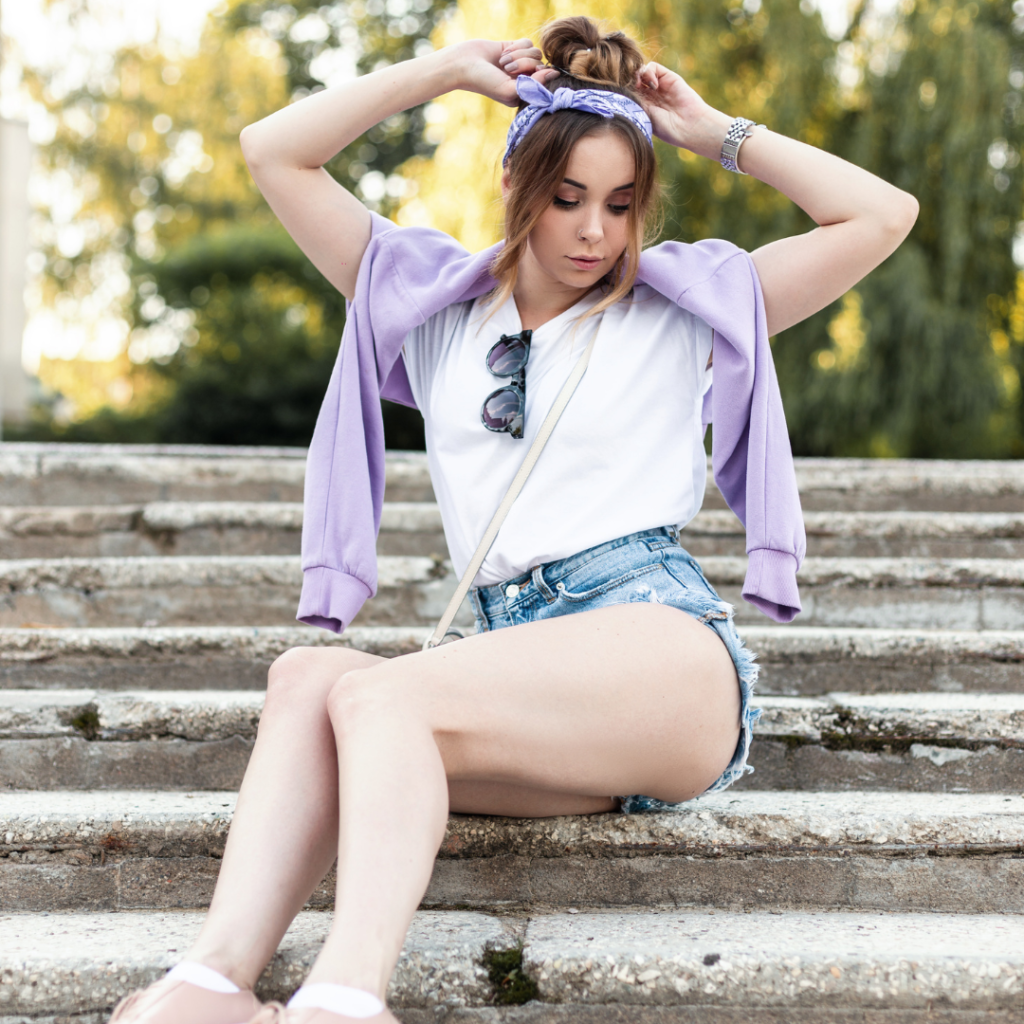
Style confidence is one of the strongest antidotes to fashion copycat culture. Individuals who understand their preferences are less likely to feel pressured by every new trend.
Confidence allows consumers to select clothing based on personal needs rather than external expectations. They view trends as optional sources of inspiration rather than mandatory guidelines.
Developing style confidence takes time. It requires experimentation, self-reflection, and a willingness to embrace individuality.
The reward, however, is significant. Consumers who trust their instincts often experience greater satisfaction with their wardrobes because their choices feel authentic and meaningful.
Style confidence transforms fashion from a source of pressure into a source of self-expression.
Rediscovering Authentic Fashion Individuality
Fashion individuality is making a comeback as more consumers recognize the limitations of constant trend chasing. Many people are beginning to value originality, sustainability, and authenticity over temporary popularity.
This shift encourages consumers to focus on personal style rather than viral trends. Clothing choices become more intentional and reflective of individual preferences.
Fashion individuality does not require rejecting trends completely. Instead, it involves adapting trends in ways that align with personal identity.
Authenticity and creativity can coexist with inspiration.
The key is ensuring that clothing choices remain personal rather than purely imitative.
The Future of Fashion Beyond Copycat Culture
The future of fashion may involve a more balanced relationship between inspiration and individuality. Social media will continue influencing trends, but consumers are becoming increasingly aware of the importance of authenticity.
Growing interest in sustainable fashion, capsule wardrobes, and mindful consumption reflects a desire for more meaningful relationships with clothing.
As consumers seek greater originality, fashion culture may shift away from pure imitation and toward personal expression.
Brands, creators, and consumers all play important roles in encouraging this transition.
A healthier fashion culture values diversity of expression rather than uniformity.
Conclusion
Fashion copycat culture has emerged as one of the defining characteristics of modern fashion. Social media fashion, trend culture, fast fashion, and constant digital visibility have made imitation easier and more widespread than ever before.
While inspiration remains an essential part of fashion, excessive imitation can weaken personal style, reduce fashion creativity, and limit authentic self-expression. Consumers often find themselves following trends rather than developing unique fashion identities.
The solution is not avoiding fashion trends altogether. Instead, it involves approaching them thoughtfully and selectively. Personal style becomes stronger when trends serve as inspiration rather than instruction.
Ultimately, fashion is most meaningful when it reflects individuality. In a world increasingly influenced by copycat culture, authenticity may be the most powerful style statement of all.