Why Fashion Burnout Is Affecting Modern Consumers
Fashion has always been associated with creativity, self-expression, and personal identity. For many people, clothing is much more than fabric and design. It represents confidence, individuality, culture, and lifestyle. Yet despite the excitement that fashion can bring, a growing number of consumers are experiencing something unexpected: fashion burnout. Understanding why fashion burnout is affecting modern consumers has become increasingly important in a world where trends move faster than ever and shopping opportunities never seem to end.
The modern fashion landscape operates at a relentless pace. New collections appear weekly, social media feeds constantly introduce fresh trends, and influencers showcase endless outfit inspiration. Consumers are surrounded by an overwhelming amount of fashion content every day. While this abundance offers variety and creativity, it also creates pressure to keep up with changing styles. Over time, this constant exposure can lead to exhaustion, frustration, and a diminished sense of enjoyment.
Why fashion burnout is affecting modern consumers is closely linked to the way fashion is consumed today. What was once a seasonal experience has become a daily cycle of trend updates, shopping recommendations, and style comparisons. As a result, many individuals are beginning to feel overwhelmed rather than inspired by fashion.
Fashion burnout is not simply about losing interest in clothing. It reflects a deeper response to trend overload, excessive consumption, social pressure, and decision fatigue. Understanding its causes can help consumers develop healthier and more satisfying relationships with fashion.
The Fast Pace of Modern Fashion
One of the primary reasons why fashion burnout is affecting modern consumers is the extraordinary speed of trend cycles. In previous decades, trends evolved gradually and often remained relevant for extended periods. Today, social media and digital marketing have accelerated the entire process.
A style that gains popularity this month may disappear from public attention within a few weeks. Consumers are constantly introduced to new aesthetics, color palettes, and fashion movements. The pressure to stay current can become exhausting.
Why fashion burnout is affecting modern consumers begins with this nonstop cycle of novelty. Instead of enjoying clothing for years, many individuals feel compelled to continuously update their wardrobes to avoid appearing outdated.
The result is often fatigue rather than excitement.
Social Media Creates Constant Fashion Exposure
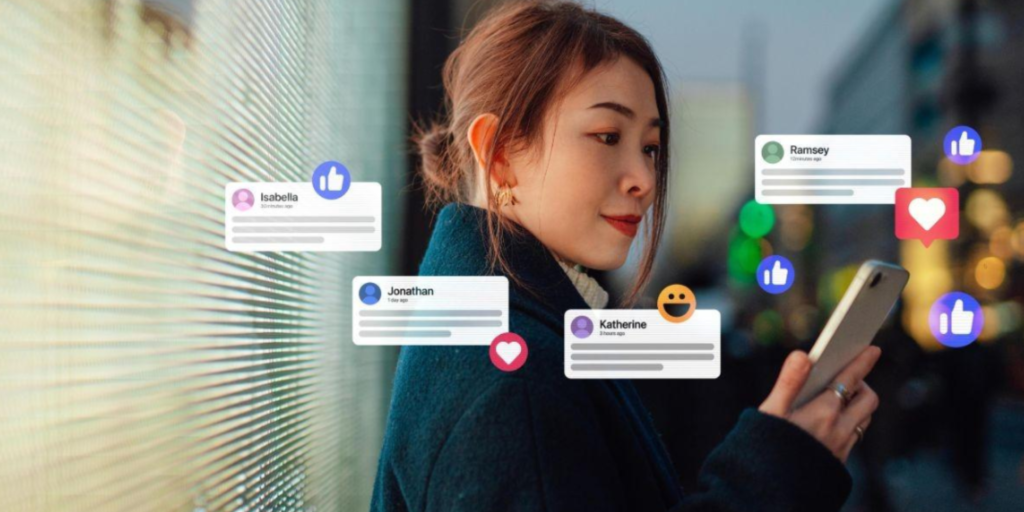
Social media has transformed fashion into a twenty-four-hour experience. Platforms such as Instagram, TikTok, Pinterest, and YouTube provide endless streams of outfit inspiration, shopping recommendations, and trend forecasts.
While these platforms offer valuable ideas and creativity, they also contribute to information overload. Consumers rarely have an opportunity to disconnect from fashion-related content.
Why fashion burnout is affecting modern consumers is strongly connected to this constant exposure. Every scroll introduces new products, new trends, and new reasons to consider changing one’s wardrobe.
Over time, the sheer volume of fashion content can become mentally exhausting, making it difficult to appreciate personal style or existing clothing.
The Pressure to Keep Up Is Increasing
Fashion has always involved a degree of social influence, but modern technology has amplified that influence dramatically. Consumers are now exposed to carefully curated images of celebrities, influencers, and content creators every day.
These images often present idealized versions of style that can create unrealistic expectations. Many people feel pressure to continuously update their appearance to align with current trends.
Why fashion burnout is affecting modern consumers includes this growing sense of pressure. Individuals may begin to feel that their existing wardrobe is never sufficient because there is always a new trend gaining attention.
This constant comparison can reduce satisfaction and create unnecessary stress.
Decision Fatigue Is Becoming More Common
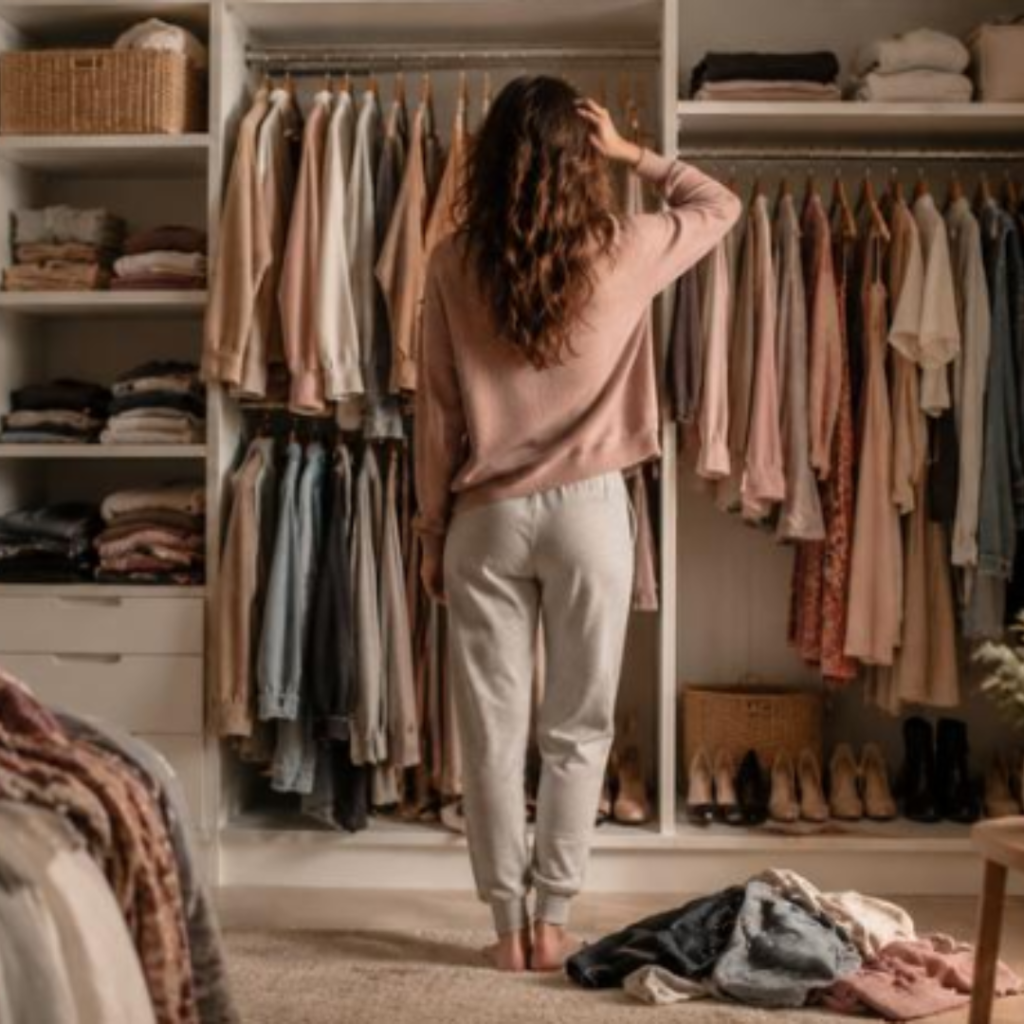
One overlooked factor contributing to fashion burnout is decision fatigue. Modern consumers have access to more clothing options than any previous generation.
Online retailers offer thousands of products across countless categories, styles, and price points. While variety can be beneficial, excessive choice often creates mental strain.
Why fashion burnout is affecting modern consumers can be partly explained by the challenge of making repeated fashion decisions. Choosing what to wear, what to buy, and which trends to follow requires mental energy.
When consumers face endless options every day, fashion can begin to feel more like a burden than a source of enjoyment.
Trend Overload Weakens Personal Style
Personal style develops through self-discovery, experimentation, and confidence. However, constant exposure to trends can make it difficult for consumers to understand their own preferences.
Many individuals find themselves purchasing clothing because it is popular rather than because it genuinely reflects their personality. As trends change, wardrobes become collections of disconnected pieces that lack coherence.
Why fashion burnout is affecting modern consumers includes the gradual loss of personal style identity. Instead of feeling empowered by fashion, consumers may feel confused about what truly suits them.
A wardrobe built around trends rather than authenticity often creates dissatisfaction over time.
Fast Fashion Encourages Continuous Consumption
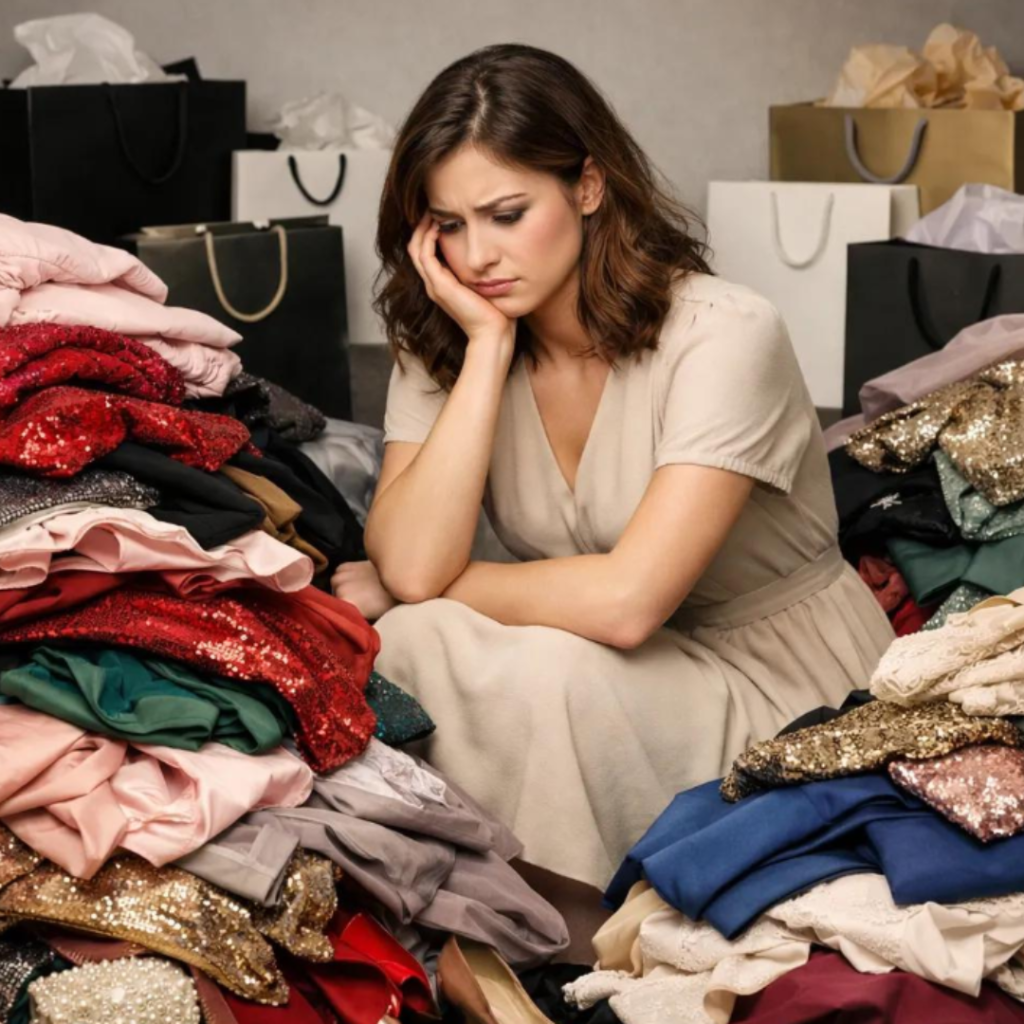
Fast fashion has made trendy clothing more accessible and affordable than ever before. New products arrive constantly, encouraging consumers to purchase frequently.
Although affordability can be beneficial, it also contributes to overconsumption. Many people buy clothing impulsively because it is inexpensive, only to lose interest shortly afterward.
Why fashion burnout is affecting modern consumers is closely tied to these consumption patterns. Constant shopping rarely creates lasting satisfaction because new purchases quickly lose their novelty.
Consumers may experience temporary excitement followed by disappointment, leading to an ongoing search for the next purchase.
Fashion Burnout Can Affect Financial Well-Being
The financial impact of fashion burnout is often underestimated. Consumers attempting to keep up with rapidly changing trends may spend more than intended on clothing and accessories.
Small purchases accumulate over time, reducing resources available for savings, investments, travel, education, and other priorities.
Why fashion burnout is affecting modern consumers extends beyond emotional fatigue and includes financial strain. Individuals may feel frustrated when they realize how much money has been spent on items that are rarely worn.
This realization often contributes to growing dissatisfaction with consumption habits.
The Environmental Connection
Fashion burnout is also linked to increasing awareness of sustainability issues. Consumers are becoming more informed about textile waste, overproduction, and the environmental impact of fast fashion.
Many individuals experience internal conflict between enjoying fashion and wanting to make responsible choices. This tension can create feelings of guilt and frustration.
Why fashion burnout is affecting modern consumers includes concerns about sustainability and the consequences of excessive consumption.
As awareness grows, consumers are beginning to question whether constant purchasing aligns with their values and long-term goals.
The Emotional Effects of Fashion Fatigue
Fashion is often associated with confidence and self-expression, but burnout can produce the opposite effect. Consumers experiencing fashion fatigue may feel uninspired, overwhelmed, or disconnected from their wardrobes.
Shopping no longer provides excitement. Outfit selection becomes frustrating. Trend updates feel exhausting rather than inspiring.
Why fashion burnout is affecting modern consumers reflects the emotional consequences of excessive exposure and constant consumption pressure.
When fashion becomes associated with stress rather than creativity, its positive benefits begin to diminish.
Consumers Are Turning Toward Simplicity
Interestingly, fashion burnout is encouraging many people to simplify their wardrobes and shopping habits. Concepts such as capsule wardrobes, mindful consumption, and minimalist fashion are becoming increasingly popular.
Rather than chasing every trend, consumers are focusing on versatile pieces that align with their lifestyle and personal style.
Why fashion burnout is affecting modern consumers has inspired a growing movement toward intentional fashion choices. People are recognizing that fewer, higher-quality items often provide greater satisfaction than constantly expanding wardrobes.
This shift reflects a desire for clarity, simplicity, and long-term value.
Conscious Fashion Choices Are Gaining Popularity
As consumers seek solutions to fashion burnout, conscious shopping habits are becoming more common. Individuals are asking more thoughtful questions before making purchases.
They consider durability, versatility, fit, and long-term usefulness rather than focusing solely on trends. Many are prioritizing quality over quantity and choosing clothing that supports multiple occasions.
Why fashion burnout is affecting modern consumers has encouraged greater awareness regarding consumption habits. This change may ultimately lead to healthier relationships with fashion and more sustainable purchasing decisions.
Conscious fashion allows consumers to enjoy style without feeling overwhelmed by constant change.
The Future of Fashion May Be More Balanced
The growing discussion around fashion burnout suggests that consumer priorities are evolving. Many individuals no longer want endless trend cycles and excessive consumption. Instead, they seek authenticity, practicality, and meaningful personal expression.
Fashion brands are beginning to respond by emphasizing timeless designs, sustainable materials, and versatile collections. Consumers increasingly reward companies that support long-term value rather than constant replacement.
Why fashion burnout is affecting modern consumers may ultimately reshape the future of the fashion industry itself. A more balanced approach to fashion could benefit consumers, businesses, and the environment alike.
This shift represents an opportunity to redefine what fashion success truly means.
Conclusion
Why fashion burnout is affecting modern consumers is a reflection of the changing relationship between people and fashion in the digital age. Constant trend exposure, social media pressure, decision fatigue, overconsumption, financial strain, and sustainability concerns have created a challenging environment for many consumers.
While fashion remains an important form of creativity and self-expression, the nonstop pace of modern fashion culture can reduce enjoyment and increase stress. As a result, more individuals are embracing mindful consumption, personal style development, and intentional wardrobe planning.
Understanding why fashion burnout is affecting modern consumers empowers individuals to make choices that support confidence, financial well-being, and long-term satisfaction. Fashion should inspire creativity and self-expression, not exhaustion. By focusing on authenticity rather than constant trend chasing, consumers can build healthier relationships with fashion and rediscover the enjoyment that clothing was always meant to provide.