
The Problem with Fashion Trend Repetition
Introduction
Fashion has always evolved through a combination of creativity, cultural influence, and reinvention. Every generation introduces new ideas, fresh perspectives, and unique approaches to personal style. Throughout history, fashion trends have reflected social movements, technological developments, artistic expression, and changing consumer preferences. Because of this constant evolution, fashion has long been celebrated as one of the most dynamic creative industries in the world.
Yet despite the industry’s reputation for innovation, a growing number of consumers are beginning to notice something unusual. Many modern fashion trends seem surprisingly familiar. Styles that dominated previous decades frequently return with slight modifications, while trend cycles appear to move in predictable patterns. Consumers often encounter garments that look remarkably similar to styles they have already seen before.
This phenomenon has created an important discussion within modern fashion. Is fashion becoming trapped in a cycle of repetition? Are fashion trends losing originality as brands recycle past ideas? Or is trend repetition simply a natural part of fashion culture?
The reality is more complex than a simple yes-or-no answer. Fashion trend repetition has become increasingly visible due to social media fashion, fast fashion, digital content, and rapid trend cycles. While revisiting older styles can create nostalgia and accessibility, excessive repetition may also contribute to fashion fatigue, reduced creativity, and consumer disengagement.
Understanding the problem with fashion trend repetition helps explain many of the challenges currently shaping the fashion industry and why consumers are increasingly seeking authenticity, personal style, and meaningful fashion experiences.
The Nature of Fashion Cycles
Fashion trends have always followed cycles. Throughout history, styles have disappeared and returned as cultural interests shifted. Elements from previous eras often reemerge in updated forms that reflect contemporary tastes.
This cyclical nature is not necessarily problematic. Fashion often draws inspiration from the past while adapting ideas for modern audiences. Many iconic fashion trends have returned multiple times because they continue resonating with consumers.
However, today’s trend cycle operates much faster than it did in previous decades. Styles that once disappeared for generations now return within just a few years.
The acceleration of fashion cycles has made repetition more visible. Consumers encounter recycled ideas so frequently that trend revival can sometimes feel less like innovation and more like routine repetition.
This shift raises important questions about the future of fashion creativity.
How Social Media Fashion Accelerates Repetition
Social media fashion plays a significant role in the growing visibility of fashion trend repetition. Platforms such as Instagram, TikTok, and Pinterest allow trends to spread globally within hours.
When a particular style gains popularity online, countless creators, brands, and consumers adopt similar looks. The trend quickly saturates digital spaces, making it highly visible across multiple platforms.
Algorithms amplify this process by promoting content that already performs well. Popular fashion trends receive more exposure, encouraging even greater participation.
As a result, consumers often encounter the same outfits, styling techniques, and clothing items repeatedly.
This constant repetition can reduce the sense of discovery traditionally associated with fashion. Instead of exploring diverse styles, consumers frequently encounter variations of the same trend.
Social media fashion has increased accessibility but also intensified trend uniformity.
Fast Fashion and the Recycling of Ideas
Fast fashion has become one of the strongest contributors to fashion trend repetition. Modern retailers closely monitor consumer preferences and social media activity to identify emerging trends.
Once a style gains attention, brands rapidly produce similar versions and distribute them worldwide. This process allows consumers to access fashionable clothing quickly and affordably.
However, it also encourages widespread repetition. Identical or nearly identical garments appear across multiple retailers simultaneously.
Fast fashion thrives on trend cycles, but the speed of production often limits opportunities for genuine innovation. Brands frequently rely on proven concepts rather than introducing entirely new ideas.
The result is a marketplace where familiar styles dominate and originality becomes more difficult to find.
Fashion trend repetition becomes inevitable when commercial success depends heavily on reproducing existing demand.

Why Consumers Are Experiencing Fashion Fatigue
Fashion fatigue is becoming increasingly common as trend repetition intensifies. Consumers enjoy novelty, creativity, and inspiration, but constant exposure to similar styles can reduce excitement.
When fashion trends begin looking interchangeable, consumers may feel less motivated to participate in trend culture. Shopping becomes less inspiring because many products appear repetitive.
Fashion fatigue develops when individuals feel overwhelmed by trend cycles while simultaneously feeling underwhelmed by the lack of originality.
The paradox is striking. Fashion has never moved faster, yet many consumers believe it feels less innovative than before.
This growing sense of fatigue is encouraging people to reconsider their relationship with fashion trends.
Instead of chasing every new trend, many are focusing on personal style and long-term wardrobe satisfaction.
The Impact on Fashion Creativity
Fashion creativity thrives on experimentation, risk-taking, and fresh perspectives. Designers have historically challenged conventions by introducing unexpected silhouettes, materials, and concepts.
However, trend repetition can create barriers to innovation. Brands often prioritize commercially successful ideas because they carry lower financial risk.
This cautious approach encourages the recycling of familiar concepts rather than exploring new directions. While trend revivals can be valuable, excessive reliance on past styles may limit creative development.
Fashion creativity requires space for originality. When repeated trends dominate the market, emerging ideas may struggle to gain visibility.
The industry’s long-term vitality depends on maintaining a balance between inspiration and innovation.
Without creativity, fashion risks becoming predictable.
Why Trend Culture Encourages Repetition
Trend culture rewards popularity. Consumers often gravitate toward styles that already have social approval because those styles feel familiar and accessible.
This behavior reinforces trend repetition. As more people adopt the same fashion trends, brands respond by producing additional versions of those trends.
The cycle becomes self-sustaining. Consumers demand familiar styles, retailers supply them, and trend culture continues reinforcing repetition.
While participation in trend culture can create a sense of belonging, it can also reduce diversity of expression.
Fashion becomes less about individuality and more about collective adoption.
The stronger the trend culture becomes, the more difficult it becomes for truly original ideas to emerge.
The Relationship Between Trend Repetition and Personal Style
Personal style offers an alternative to constant trend participation. Unlike fashion trends, personal style develops gradually through self-awareness, experimentation, and experience.
Consumers who focus heavily on trend cycles often find themselves purchasing clothing that quickly loses relevance. Trend repetition can create wardrobes filled with garments chosen for popularity rather than personal preference.
Personal style provides greater consistency because it is rooted in individual identity rather than external influence.
As consumers become more aware of fashion trend repetition, many are shifting their attention toward clothing that reflects their personality and lifestyle.
This movement suggests that authenticity may become increasingly valuable within modern fashion.
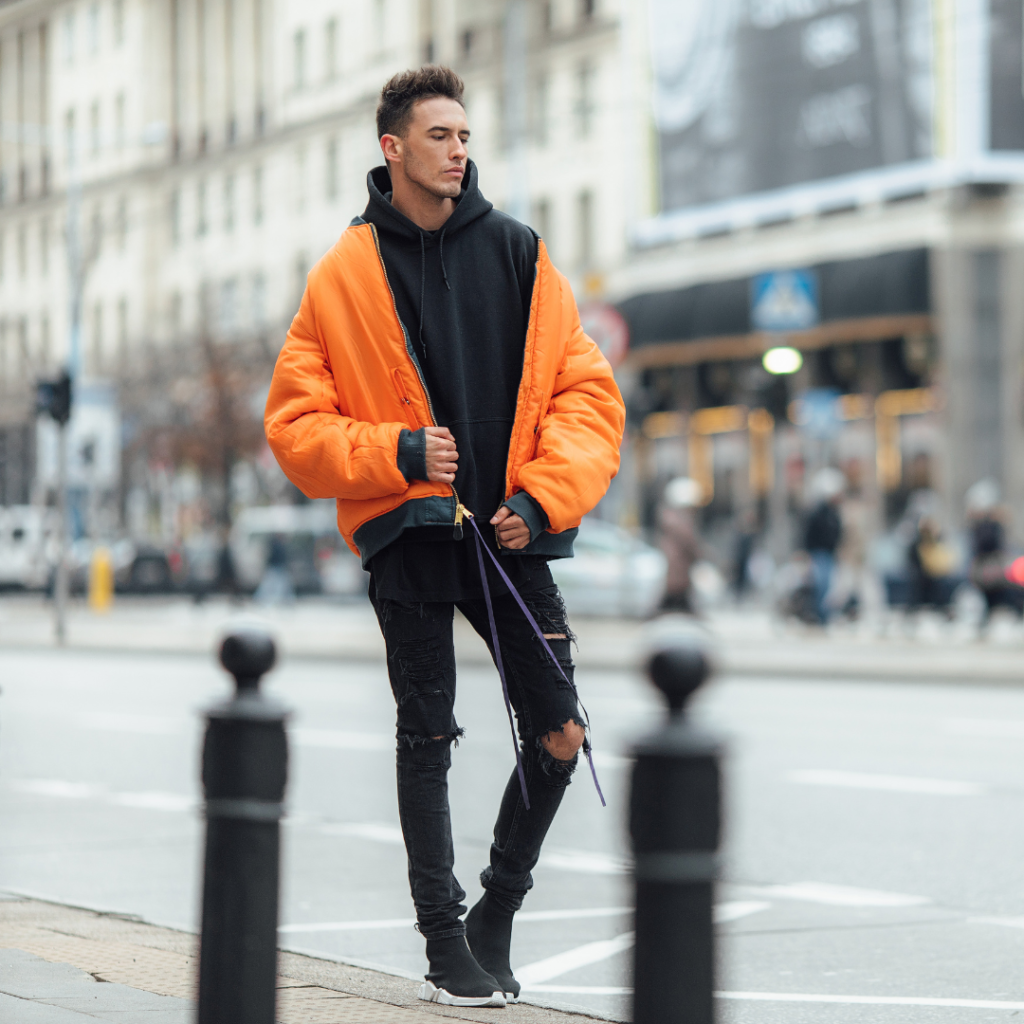
Fashion Consumer Behavior Is Changing
Fashion consumer behavior is evolving in response to trend saturation. Many shoppers are becoming more selective about which fashion trends they adopt.
Rather than purchasing every emerging style, consumers increasingly evaluate whether trends align with their needs and preferences.
This shift reflects growing awareness of fashion fatigue, wardrobe clutter, and overconsumption. Shoppers are beginning to prioritize value, versatility, and originality.
Fashion consumer behavior is gradually moving away from automatic trend participation toward more intentional decision-making.
This change has important implications for the future of the fashion industry.
Brands that offer meaningful innovation may gain stronger consumer loyalty than those relying solely on repeated trends.
The Rise of Timeless Fashion
Timeless fashion is gaining popularity as consumers seek alternatives to repetitive trend cycles. Unlike short-lived fashion trends, timeless fashion emphasizes durability, versatility, and long-term relevance.
Classic garments remain useful regardless of changing fashion movements. Consumers appreciate timeless fashion because it reduces the pressure associated with constant wardrobe updates.
This approach also supports sustainable fashion by encouraging longer garment lifespans and more thoughtful purchasing decisions.
The rise of timeless fashion reflects growing dissatisfaction with endless trend repetition.
Many consumers are discovering that originality often comes from personal interpretation rather than trend participation.
Timeless fashion offers stability within an increasingly fast-moving industry.
Can Fashion Innovation Break the Cycle?
Fashion innovation remains essential for the industry’s future. New technologies, sustainable materials, digital experiences, and emerging designers continue introducing fresh ideas.
However, innovation requires support from both brands and consumers. Companies must be willing to invest in creativity, while consumers must remain open to unfamiliar concepts.
Breaking the cycle of fashion trend repetition does not mean abandoning past influences entirely. Fashion has always learned from history.
The challenge is ensuring that inspiration leads to innovation rather than simple duplication.
Meaningful innovation creates excitement because it offers something genuinely different.
The future of fashion depends on maintaining this creative momentum.
The Future of Fashion Beyond Repetition
Fashion trends will always revisit certain ideas because culture itself operates in cycles. However, the future of fashion may involve greater emphasis on individuality, sustainability, and authenticity.
Consumers increasingly value unique experiences and personal style over constant trend participation. This shift creates opportunities for brands to explore more diverse and innovative approaches.
Fashion does not need to abandon its history to remain relevant. Instead, it can use historical inspiration as a foundation for new ideas.
The most successful fashion movements often combine familiarity with originality.
By encouraging creativity rather than repetition alone, the industry can remain both dynamic and meaningful.
Conclusion
The problem with fashion trend repetition is not that fashion revisits past ideas. Reinterpretation has always been part of fashion culture. The challenge arises when repetition begins replacing innovation and originality.
Social media fashion, fast fashion, trend culture, and changing consumer behavior have accelerated trend cycles while making repetition more visible than ever before. As a result, many consumers are experiencing fashion fatigue and questioning the value of constant trend participation.
The growing interest in personal style, timeless fashion, sustainable fashion, and authentic self-expression suggests that consumers are seeking something deeper than repeated trends.
Ultimately, fashion remains most powerful when it balances inspiration with creativity. The future of the fashion industry will depend not on how often it repeats the past but on how effectively it transforms familiar ideas into meaningful new experiences.