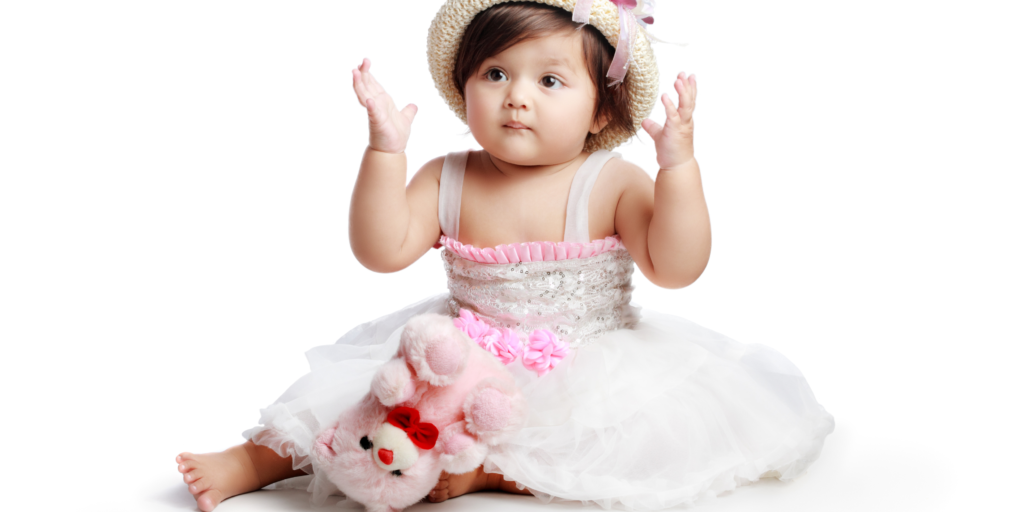
The New Rules of Baby Fashion in 2026
One of the biggest changes driving baby fashion trends 2026 is the growing demand for sustainable baby clothing. Environmental concerns continue to influence purchasing decisions, and parents are becoming more selective about the materials used in baby apparel. Organic baby clothes made from natural fibers such as organic cotton, bamboo fabric, and eco-friendly textiles are gaining tremendous popularity.
Many families now understand the environmental burden created by fast fashion. Excessive textile waste, harmful manufacturing processes, and short product lifecycles have encouraged parents to explore better alternatives. Sustainable baby clothing offers a solution by combining comfort with environmental responsibility.
Brands that embrace ethical production methods are attracting significant attention from modern consumers. Transparent supply chains, recyclable packaging, and responsibly sourced materials are becoming powerful selling points. This movement is helping create a more sustainable future while ensuring babies enjoy softer, safer fabrics against their delicate skin.
Comfort Has Become the Ultimate Luxury
While style remains important, comfort has emerged as the defining factor in baby fashion 2026. Parents are paying closer attention to fabric quality, garment construction, and overall functionality. Modern baby outfits are designed to support movement, flexibility, and everyday activities without causing discomfort.
Babies grow rapidly and spend much of their day exploring their surroundings. Tight seams, rough materials, and restrictive designs can create unnecessary irritation. As a result, baby clothing trends now emphasize breathable fabrics, tag-free designs, stretchable materials, and lightweight construction.
This comfort-first approach is changing how designers create stylish baby clothes. Instead of prioritizing appearance alone, brands are developing products that balance visual appeal with practical usability. The result is a new generation of baby fashion that feels as good as it looks.
Smart Baby Clothing Is Entering the Mainstream
Technology is becoming an increasingly influential force in the baby fashion industry. Smart baby clothing is gradually moving from a niche concept to a growing trend. Although still developing, innovative garments are being designed with features that improve convenience and monitoring capabilities.
Parents are showing interest in clothing that can help track temperature, monitor comfort levels, or incorporate advanced fabric technologies. While widespread adoption is still evolving, the concept of smart baby clothing reflects how innovation continues to reshape modern parenting.
The integration of technology into baby fashion creates exciting opportunities. However, it also raises important questions regarding privacy, affordability, and practicality. As brands experiment with these advancements, consumers are carefully evaluating whether technological enhancements genuinely improve daily life or simply add unnecessary complexity.
Gender-Neutral Fashion Continues to Grow
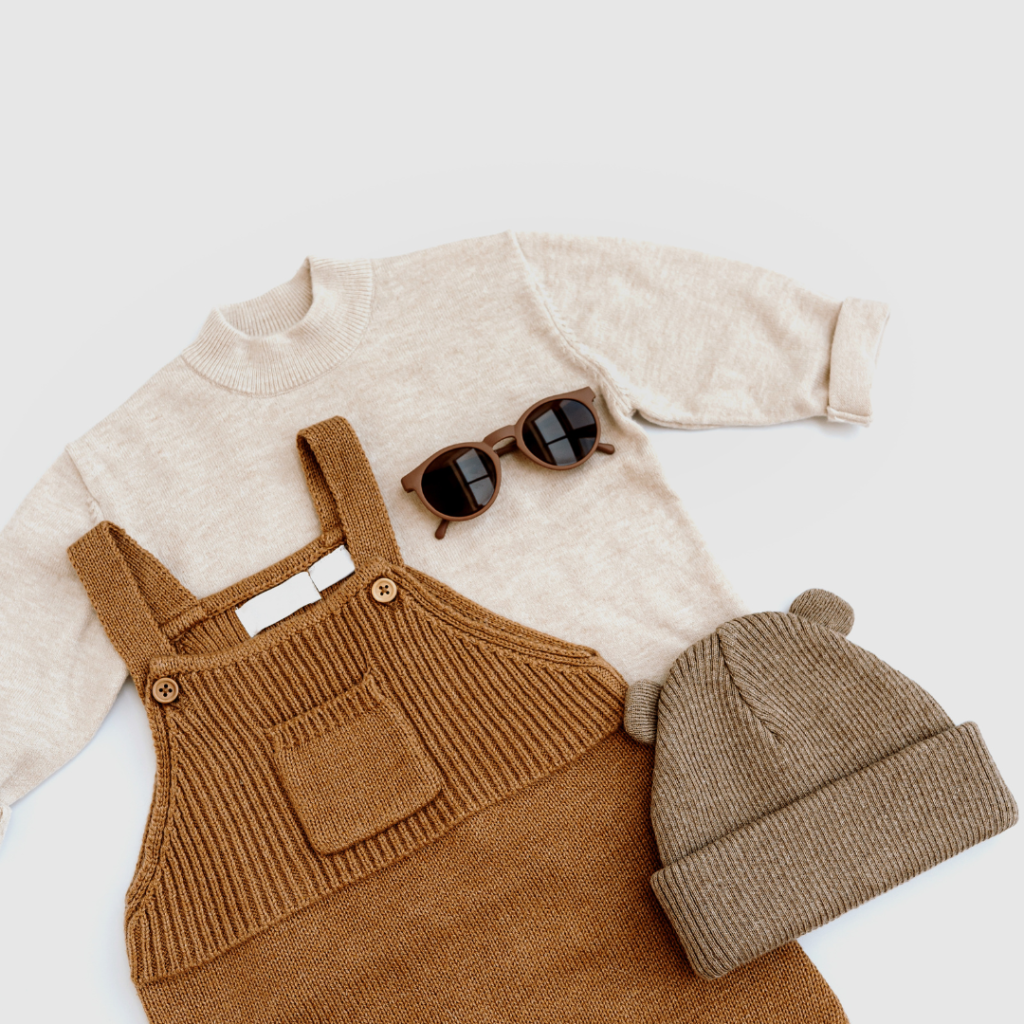
Another defining characteristic of baby fashion trends 2026 is the expansion of gender-neutral clothing. Traditional color stereotypes and rigid fashion categories are gradually losing influence. Parents increasingly prefer versatile pieces that can be worn regardless of gender.
Soft earth tones, minimalist designs, neutral color palettes, and timeless silhouettes are becoming dominant features within modern baby outfits. This shift not only provides greater flexibility but also encourages more sustainable purchasing habits.
Gender-neutral baby clothing allows garments to be reused among siblings and shared within families, reducing waste and extending product life. This practical advantage aligns perfectly with the broader sustainability movement influencing the baby fashion industry.
Quality Is Replacing Quantity
One of the most significant changes in baby fashion 2026 is the growing emphasis on quality over quantity. Many parents are moving away from excessive shopping habits and investing in fewer, higher-quality items.
This trend reflects a broader change in consumer behavior. Rather than filling wardrobes with inexpensive garments that wear out quickly, families are selecting premium baby apparel designed to withstand repeated washing and daily use. Durable stitching, superior fabrics, and thoughtful craftsmanship are becoming essential purchasing criteria.
Although premium products often carry higher upfront costs, many parents recognize their long-term value. Better-quality clothing typically lasts longer, maintains its appearance, and provides greater comfort throughout its lifespan. This shift is contributing to a more responsible and sustainable approach to baby fashion.
Social Media Is Shaping Baby Fashion Choices
Social media platforms continue to influence purchasing decisions across every fashion category, including baby fashion. Parents frequently discover new brands, styling ideas, and product recommendations through digital communities.
The rise of influencer culture has increased visibility for emerging baby fashion brands and sustainable baby clothing companies. Carefully curated content showcases trendy baby outfits, seasonal collections, and innovative products that attract attention from global audiences.
However, social media also presents challenges. The pressure to create picture-perfect moments can sometimes encourage unnecessary spending or unrealistic expectations. While online inspiration can be valuable, parents are increasingly learning to prioritize practicality and comfort over temporary digital trends.
Ethical Manufacturing Matters More Than Ever
Consumers are becoming increasingly aware of how products are made. Ethical baby fashion is gaining momentum as families seek reassurance that workers are treated fairly and manufacturing processes meet responsible standards.
Brands that provide transparency regarding labor practices and production methods often earn greater trust from customers. Ethical baby fashion aligns with the values of many modern parents who want their purchasing decisions to reflect social responsibility.
The growing demand for ethical baby clothing demonstrates how consumer expectations are evolving beyond appearance alone. Fashion choices now represent broader values related to sustainability, fairness, and environmental stewardship.
Minimalist Wardrobes Are Becoming Popular
Minimalism is influencing baby fashion trends 2026 in a significant way. Many parents are simplifying their children’s wardrobes by focusing on versatile essentials rather than excessive quantities of clothing.
A carefully selected collection of high-quality basics offers numerous advantages. It reduces clutter, simplifies daily routines, and encourages more intentional purchasing decisions. Neutral colors and timeless designs allow multiple outfit combinations without requiring an extensive wardrobe.
This minimalist approach supports both financial efficiency and environmental responsibility. It also reflects a growing desire among families to prioritize meaningful purchases over unnecessary accumulation.
The Future of Baby Fashion Beyond 2026
Looking ahead, the future of baby fashion appears increasingly connected to sustainability, innovation, and consumer awareness. Advances in fabric technology, eco-friendly production methods, and smart clothing solutions will likely continue shaping the industry.
At the same time, parents are becoming more informed and selective. They expect baby clothing to deliver comfort, safety, durability, and ethical value alongside attractive designs. Brands that successfully meet these expectations will be well-positioned for long-term success.
The transformation of baby fashion is not simply about changing styles. It represents a deeper shift in how families think about consumption, responsibility, and child well-being. As the industry continues to evolve, the new rules of baby fashion 2026 emphasize thoughtful choices over impulsive purchases, meaningful quality over temporary trends, and lasting value over short-lived convenience.
Conclusion
The new rules of baby fashion in 2026 are redefining what matters most in children’s clothing. Sustainable baby clothing, organic baby clothes, smart baby clothing, ethical manufacturing, and comfort-focused design are no longer emerging concepts—they are becoming standard expectations. Modern parents want products that combine style with practicality while supporting environmental and social responsibility.
As baby fashion trends 2026 continue to develop, brands and consumers alike are embracing a more conscious approach to dressing the next generation. This evolution brings exciting opportunities, but it also requires thoughtful decision-making. The future of baby fashion belongs to clothing that is comfortable, durable, responsible, innovative, and genuinely beneficial for both children and the world they will inherit.