Understanding Hair Breakage
Healthy hair is often seen as a reflection of consistent care, balanced nutrition, and overall well-being. Smooth, shiny, and resilient hair not only enhances appearance but also boosts confidence and comfort in daily life. However, many people experience a common concern that can affect every hair type—hair breakage. Unlike natural hair shedding, which is a normal part of the hair growth cycle, breakage occurs when hair strands become weak and snap before reaching their full length. Understanding Understanding Hair Breakage is essential because identifying its causes early can help prevent unnecessary damage and support stronger, healthier hair over time.
Hair is exposed to many daily challenges, including heat styling, pollution, chemical treatments, excessive brushing, environmental conditions, and friction from clothing or bedding. Over time, these external influences may weaken the hair shaft, making strands more vulnerable to splitting and breaking. Internal factors such as inadequate nutrition, dehydration, prolonged stress, hormonal changes, and inconsistent hair care routines may also contribute to reduced hair strength. While occasional breakage is difficult to avoid completely, repeated damage often signals that hair requires better protection and more thoughtful care.
The growing awareness of Understanding Hair Breakage reflects a shift toward holistic hair wellness. Instead of focusing only on cosmetic products, many people now recognize the importance of combining healthy lifestyle choices with gentle hair care practices. Strong hair develops through consistent habits that protect the scalp, nourish the hair shaft, and minimize unnecessary physical or environmental stress. A balanced approach helps maintain softness, flexibility, shine, and overall hair resilience while reducing the likelihood of future damage.
Understanding Understanding Hair Breakage also helps distinguish temporary cosmetic concerns from habits that gradually weaken hair health. Learning how different hair types respond to washing, styling, drying, sleeping, and environmental exposure allows individuals to make informed choices that preserve the natural strength and beauty of their hair. By adopting simple daily routines and avoiding common damaging practices, anyone can significantly improve hair quality and reduce breakage over the long term.
What Is Hair Breakage?
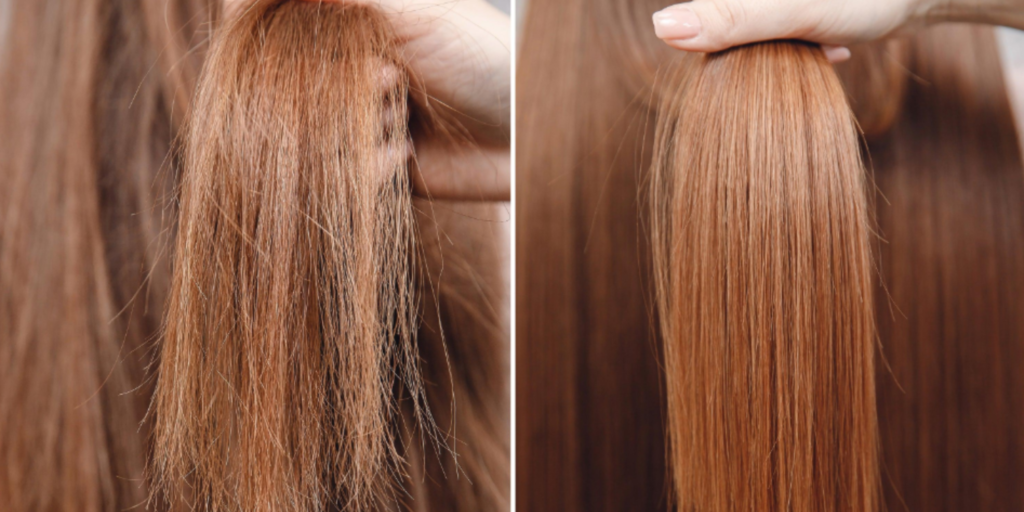
Hair breakage occurs when individual hair strands become fragile and snap along the length of the shaft instead of completing the natural growth cycle. Unlike normal shedding, broken hair often appears uneven, rough, and difficult to manage.
Understanding Understanding Hair Breakage begins with recognizing the difference between healthy shedding and damaged hair strands.
Healthy growth follows natural cycles.
Breakage reflects weakened hair structure.
Early awareness supports better care.
Hair Breakage vs. Hair Shedding
Many people confuse hair breakage with natural shedding. Hair shedding occurs when mature strands fall from the scalp as part of the normal growth cycle, while breakage happens when weakened strands fracture because of physical or environmental stress.
Recognizing the distinction strengthens Understanding Hair Breakage.
Natural shedding supports renewal.
Breakage signals reduced hair strength.
Proper identification encourages effective care.
Common Causes of Hair Breakage
Hair breakage usually develops gradually rather than appearing suddenly. Frequent heat styling, chemical treatments, rough handling, excessive tension, environmental exposure, dehydration, and inconsistent care routines all contribute to weakening the hair shaft.
Understanding these influences improves Understanding Hair Breakage.
Daily habits shape hair health.
Repeated stress weakens strands.
Protective routines preserve strength.
Heat Styling and Hair Damage
Hair dryers, straighteners, curling irons, and other heated styling tools expose hair to high temperatures that may gradually reduce moisture and flexibility. Repeated heat exposure often leaves hair more vulnerable to breakage.
Heat awareness supports Understanding Hair Breakage.
Controlled styling preserves moisture.
Gentle temperatures reduce unnecessary stress.
Balanced routines improve resilience.
Chemical Treatments and Hair Strength
Hair coloring, bleaching, relaxing, perming, and other chemical processes change the hair structure. Although these treatments can achieve desired styles, repeated applications without proper care may gradually reduce hair strength.
Chemical awareness strengthens Understanding Hair Breakage.
Moderation protects hair quality.
Professional care improves safety.
Healthy maintenance supports recovery.
The Importance of Scalp Health
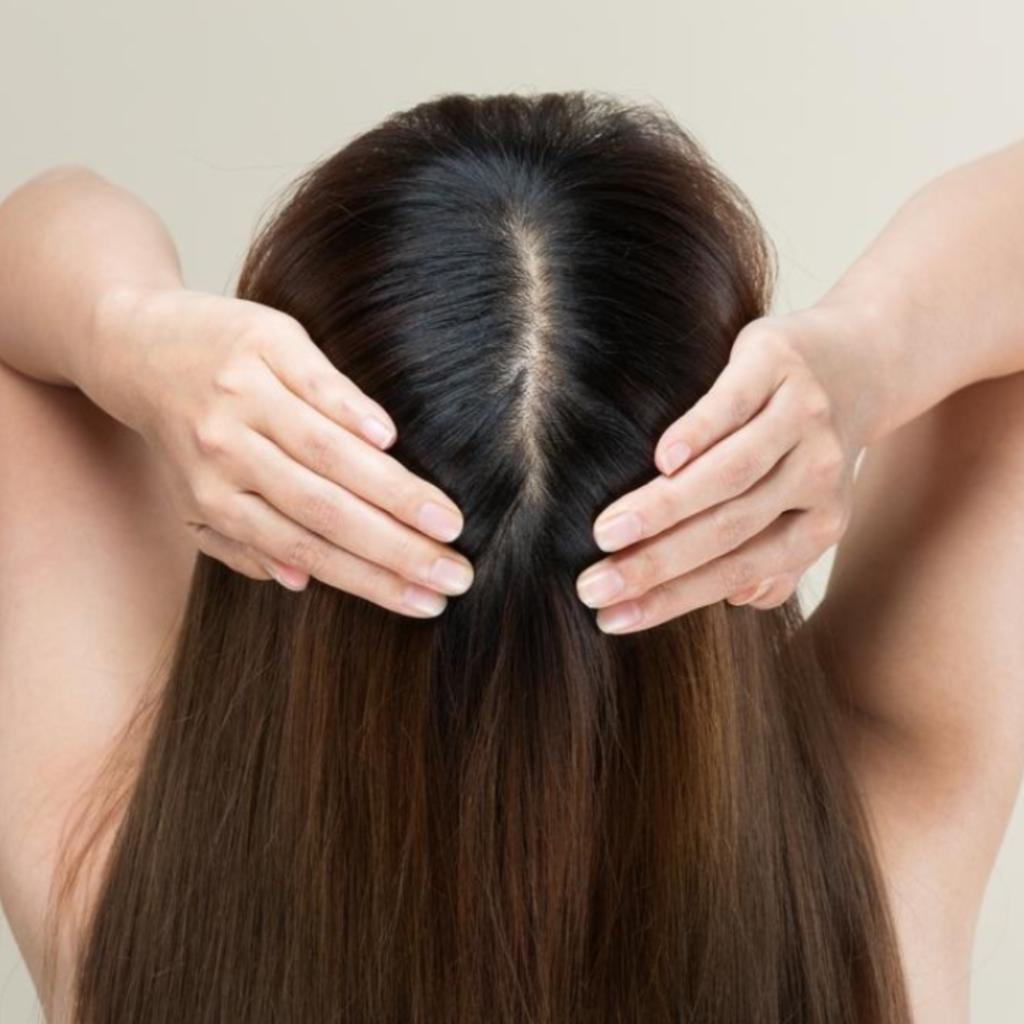
Healthy hair begins with a healthy scalp. Proper cleansing, balanced hydration, and thoughtful scalp care create favorable conditions for maintaining stronger hair growth and overall hair vitality.
Scalp wellness enhances Understanding Hair Breakage.
Healthy roots support stronger strands.
Balanced care improves hair quality.
Scalp comfort contributes to long-term wellness.
Nutrition and Hair Resilience
Hair depends on adequate nutrients to maintain its natural structure. Protein, vitamins, minerals, healthy fats, and hydration support the body’s ability to produce healthy hair while maintaining strand strength.
Nutrition reinforces Understanding Hair Breakage.
Balanced diets encourage healthier hair.
Good nutrition supports resilience.
Healthy lifestyles strengthen hair naturally.
Hydration Supports Hair Health
Water contributes to overall body function, including maintaining healthy skin and scalp conditions. Proper hydration supports flexibility and comfort while helping hair retain a healthier appearance.
Hydration complements Understanding Hair Breakage.
Healthy moisture improves flexibility.
Balanced hydration supports scalp wellness.
Simple habits create lasting improvements.
Brushing Hair the Right Way
Improper brushing techniques may increase friction and unnecessary tension, especially when hair is wet. Gentle detangling with suitable brushes or wide-tooth combs helps reduce mechanical stress.
Gentle grooming strengthens Understanding Hair Breakage.
Patience protects delicate strands.
Careful brushing minimizes damage.
Thoughtful handling improves hair quality.
Washing Hair Carefully
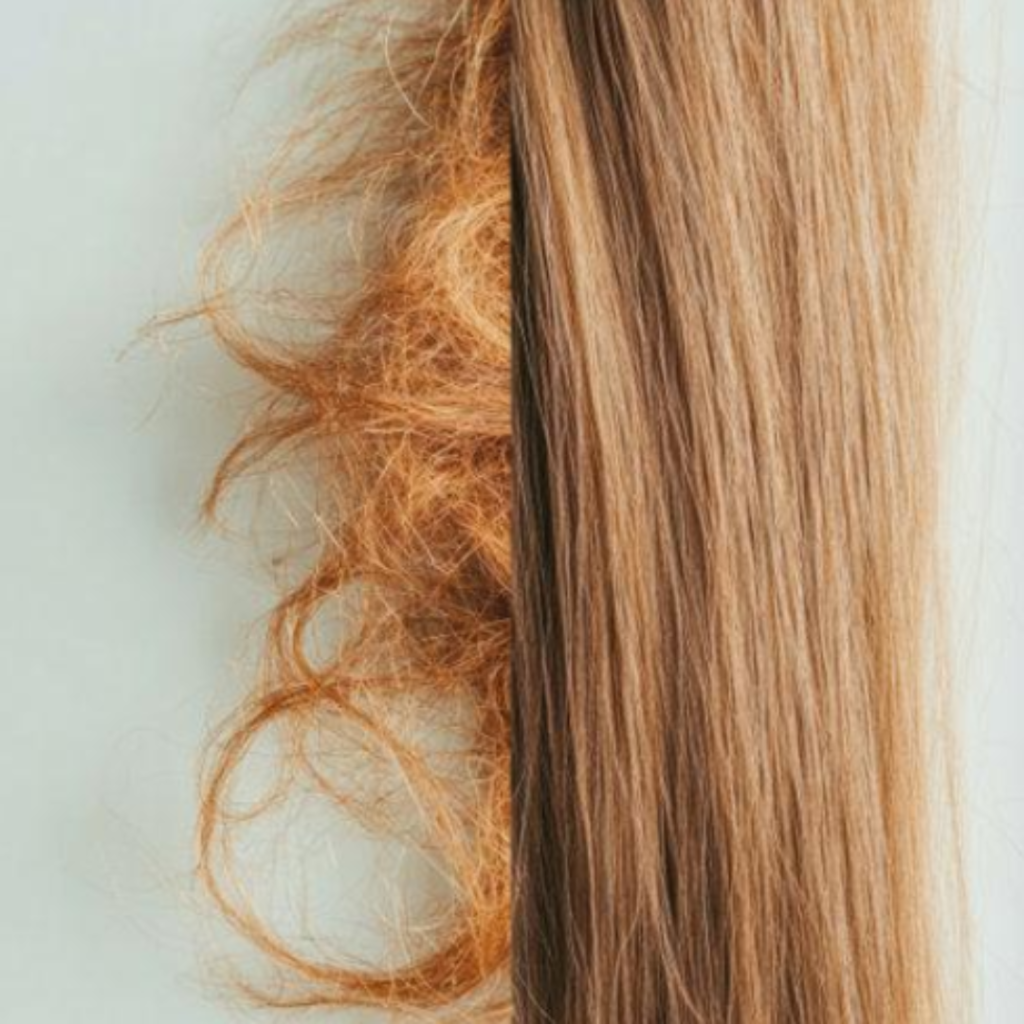
Frequent overwashing, harsh shampoos, or aggressive towel drying may gradually weaken hair. Gentle cleansing methods help preserve natural oils while maintaining scalp cleanliness.
Proper washing improves Understanding Hair Breakage.
Balanced cleansing protects hair.
Gentle routines preserve moisture.
Healthy washing supports stronger strands.
Protecting Hair While Sleeping
Hair experiences continuous movement during sleep, creating friction against bedding. Smooth pillowcases and loose hairstyles help reduce tangling and unnecessary strain overnight.
Nighttime care supports Understanding Hair Breakage.
Reduced friction preserves hair texture.
Gentle protection encourages healthier strands.
Simple habits reduce daily stress.
Environmental Factors
Sunlight, pollution, humidity, wind, and changing weather conditions influence hair condition throughout the year. Protective routines help reduce prolonged environmental exposure.
Environmental awareness enriches Understanding Hair Breakage.
Protection reduces external stress.
Seasonal care improves resilience.
Balanced routines preserve natural shine.
Trimming Hair Regularly
Regular trimming helps remove split ends before they travel further along the hair shaft. Healthy ends improve overall appearance while reducing additional breakage.
Routine maintenance supports Understanding Hair Breakage.
Healthy ends improve hair quality.
Preventive care strengthens appearance.
Consistency supports long-term growth.
Choosing the Right Hair Care Products
Selecting products suitable for individual hair types contributes to healthier maintenance. Lightweight conditioners, nourishing treatments, gentle shampoos, and protective serums help support stronger hair.
Product selection enhances Understanding Hair Breakage.
Appropriate care improves results.
Balanced formulations support healthy strands.
Quality products complement healthy habits.
Stress and Hair Wellness
Long-term emotional pressure may indirectly influence overall well-being, including hair care routines and scalp health. Relaxation, regular sleep, and balanced lifestyles contribute to healthier daily habits.
Stress management strengthens Understanding Hair Breakage.
Calm routines support recovery.
Balanced lifestyles improve wellness.
Healthy habits encourage stronger hair.
Creating a Daily Hair Care Routine
Strong hair develops through consistency rather than occasional treatments. Gentle washing, careful brushing, balanced nutrition, hydration, scalp care, and protection from excessive heat create a complete routine.
Consistency reinforces Understanding Hair Breakage.
Daily habits shape long-term results.
Routine care protects hair naturally.
Healthy choices encourage stronger strands.
Common Mistakes That Increase Hair Breakage
Sleeping with wet hair, using excessive heat, brushing aggressively, ignoring split ends, using harsh products, or tying extremely tight hairstyles may gradually increase breakage.
Avoiding these habits improves Understanding Hair Breakage.
Awareness prevents unnecessary damage.
Thoughtful routines protect hair.
Small improvements create meaningful benefits.
Long-Term Benefits of Healthy Hair Care
Protecting hair from daily stress encourages smoother texture, greater shine, improved manageability, and stronger overall appearance. Healthy routines provide lasting benefits that become more noticeable over time.
Long-term care strengthens Understanding Hair Breakage.
Patience rewards consistent effort.
Healthy routines preserve natural beauty.
Strong hair reflects thoughtful care.
Conclusion
Understanding Hair Breakage is the first step toward building healthier, stronger, and more resilient hair. Unlike natural hair shedding, breakage often develops because of repeated stress placed on the hair shaft through excessive heat styling, harsh chemical treatments, aggressive brushing, environmental exposure, poor hydration, inadequate nutrition, or inconsistent hair care routines. Fortunately, many of these contributing factors can be managed through gentle daily habits that protect hair structure while supporting healthy scalp conditions and natural hair growth. By recognizing the early signs of weakened strands and making thoughtful adjustments to washing, styling, sleeping, and grooming routines, individuals can significantly reduce breakage and improve overall hair quality.
As more people embrace holistic approaches to beauty and wellness, Understanding Hair Breakage has become an essential part of maintaining healthy hair over the long term. Strong hair is rarely achieved through a single product or treatment; instead, it develops through balanced nutrition, proper hydration, stress management, regular trimming, suitable hair care products, gentle handling, and consistent protection from unnecessary damage. These daily practices help preserve moisture, flexibility, shine, and strength while allowing hair to grow with greater resilience. With patience and consistent care, anyone can create a healthy hair routine that minimizes breakage and supports beautiful, vibrant hair for years to come.