
The Evolution of Fashion in an Instant-Gratification World
Fashion has always evolved alongside society. Every era has introduced new influences that shaped how people dressed, expressed themselves, and interacted with style. However, few periods have transformed fashion as dramatically as the modern digital age. Today, consumers live in a world driven by speed, convenience, and immediate access to information. This cultural shift has created a new reality where trends emerge overnight, products are delivered within hours, and shopping experiences are designed to satisfy instant desires. Understanding The Evolution of Fashion in an Instant-Gratification World helps explain how consumer expectations, technology, and changing lifestyles are reshaping the future of fashion.
The concept of instant gratification is simple. People increasingly expect quick results, immediate solutions, and fast access to products and services. Digital technology has reinforced these expectations by making information, entertainment, communication, and shopping available at any moment. Fashion has become deeply connected to this shift. Consumers no longer wait months to discover new trends. They see them instantly through social media, influencers, fashion websites, and online retailers.
As a result, The Evolution of Fashion in an Instant-Gratification World is influencing everything from product development and marketing strategies to purchasing behavior and personal style choices. While this transformation has created exciting opportunities, it has also introduced challenges that are changing the relationship between consumers and fashion.
Understanding the Instant-Gratification Culture
To fully appreciate The Evolution of Fashion in an Instant-Gratification World, it is important to understand the cultural environment driving these changes. Modern consumers have become accustomed to receiving what they want quickly. Streaming services provide immediate entertainment. Online platforms offer instant communication. Ecommerce websites deliver products faster than ever before.
These experiences shape expectations across all industries, including fashion. Consumers now expect rapid access to clothing, trend updates, and personalized recommendations. Waiting has become less appealing in a culture focused on speed and convenience.
This shift has fundamentally altered how fashion brands operate. Companies must respond quickly to changing consumer demands while maintaining relevance in highly competitive markets.
The desire for immediate satisfaction continues to influence every aspect of modern fashion.
How Social Media Accelerated Fashion Evolution
One of the most significant drivers behind The Evolution of Fashion in an Instant-Gratification World is social media. Platforms built around visual content have transformed how trends are discovered, shared, and adopted.
In previous decades, fashion trends often moved through magazines, runway shows, and seasonal collections. Today, trends can gain global attention within hours. A viral video, celebrity appearance, or influencer recommendation can instantly influence consumer behavior.
Social media creates continuous exposure to new styles. Consumers encounter countless outfit ideas, product recommendations, and fashion aesthetics every day. This constant stream of content fuels desire and encourages rapid purchasing decisions.
While social media has expanded fashion accessibility, it has also accelerated trend cycles and increased pressure to stay current.
The Rise of Fast Fashion and Rapid Consumption
The growth of fast fashion represents a major chapter in The Evolution of Fashion in an Instant-Gratification World. Fast fashion brands recognized consumers’ desire for speed and responded by dramatically shortening production timelines.
New styles can move from concept to store shelves within weeks rather than months. This responsiveness allows brands to capitalize on emerging trends while they remain popular.
Consumers benefit from greater variety and affordability. However, rapid consumption patterns also create challenges. Many shoppers experience wardrobe overcrowding, impulse buying, and declining satisfaction from purchases that quickly lose relevance.
The tension between convenience and long-term value continues shaping discussions about the future of fashion.
Why Consumer Expectations Have Changed
A defining feature of The Evolution of Fashion in an Instant-Gratification World is the transformation of consumer expectations. Modern shoppers expect convenience, personalization, and immediate access.
Consumers want seamless online experiences, detailed product information, fast delivery options, and easy returns. They expect brands to respond quickly to inquiries and provide personalized recommendations.
These expectations are influencing how companies design products and customer experiences. Fashion businesses increasingly rely on data analytics and artificial intelligence to understand consumer preferences and anticipate demand.
The emphasis on convenience reflects broader lifestyle changes occurring throughout society.

The Psychology Behind Instant Fashion Decisions
The psychological dimension of The Evolution of Fashion in an Instant-Gratification World reveals why consumers are drawn to rapid purchasing behavior. Human beings naturally respond to rewards, and shopping often creates temporary feelings of excitement and anticipation.
Digital platforms amplify these responses through targeted advertising, limited-time promotions, and constant exposure to desirable products. Consumers may experience a sense of urgency that encourages immediate action.
However, instant gratification can sometimes lead to regret. Purchases made impulsively may not align with long-term needs or personal style preferences.
As awareness of these patterns grows, many consumers are becoming more intentional about their fashion choices.
Why Personal Style Is Gaining Importance
Interestingly, The Evolution of Fashion in an Instant-Gratification World is also driving a renewed focus on personal style. As trend cycles accelerate, many consumers are discovering the value of consistency and authenticity.
Personal style provides stability in an environment characterized by constant change. Rather than chasing every new trend, individuals are building wardrobes that reflect their identities and lifestyles.
This shift is encouraging consumers to prioritize quality, versatility, and confidence over temporary excitement. Personal style offers a sense of control that many people find appealing amid the rapid pace of modern fashion.
The growing emphasis on authenticity represents an important counterbalance to instant gratification culture.
The Role of Technology in Fashion Transformation
Technology plays a central role in The Evolution of Fashion in an Instant-Gratification World. Ecommerce platforms, mobile applications, virtual fitting tools, and artificial intelligence have revolutionized the shopping experience.
Consumers can browse thousands of products, compare prices, and complete purchases within minutes. Personalized recommendations make product discovery easier, while advanced logistics systems enable faster delivery.
Technology has also increased transparency. Consumers can access reviews, product information, and brand values before making purchasing decisions.
These innovations continue reshaping how people interact with fashion.
Sustainability Challenges in a Fast-Paced Fashion World
One of the most important discussions surrounding The Evolution of Fashion in an Instant-Gratification World involves sustainability. Rapid consumption patterns can contribute to waste, overproduction, and environmental concerns.
Consumers are becoming increasingly aware of these issues. Many are questioning whether constant purchasing truly delivers lasting satisfaction. As a result, interest in sustainable fashion is growing.
Sustainable fashion encourages thoughtful consumption, longer garment lifecycles, and responsible purchasing habits. This movement challenges the assumption that satisfaction comes from acquiring more clothing.
The relationship between sustainability and consumer behavior will remain a critical issue for the industry.
How Fashion Brands Are Adapting
Fashion brands are responding to The Evolution of Fashion in an Instant-Gratification World by developing new strategies that balance speed with value. Many companies are investing in digital innovation, flexible supply chains, and customer-focused experiences.
Brands increasingly emphasize personalization, transparency, and authenticity. Consumers want meaningful relationships with companies rather than purely transactional interactions.
The most successful brands understand that modern shoppers seek both convenience and trust. They recognize that long-term loyalty depends on delivering consistent value rather than relying solely on rapid trend turnover.
Adaptability has become a key competitive advantage.
The Future of Fashion in an Instant-Gratification Society
The future of The Evolution of Fashion in an Instant-Gratification World will likely involve a balance between speed and intentionality. Consumers will continue expecting convenience and digital accessibility, but they may also become more selective about their purchases.
Technology will further enhance personalization, product discovery, and shopping efficiency. At the same time, sustainability and personal style development are expected to gain greater importance.
Fashion may become increasingly focused on meaningful ownership rather than excessive accumulation. Consumers are learning that lasting satisfaction often comes from quality, versatility, and authenticity.
The future will belong to brands that successfully combine innovation with responsibility.
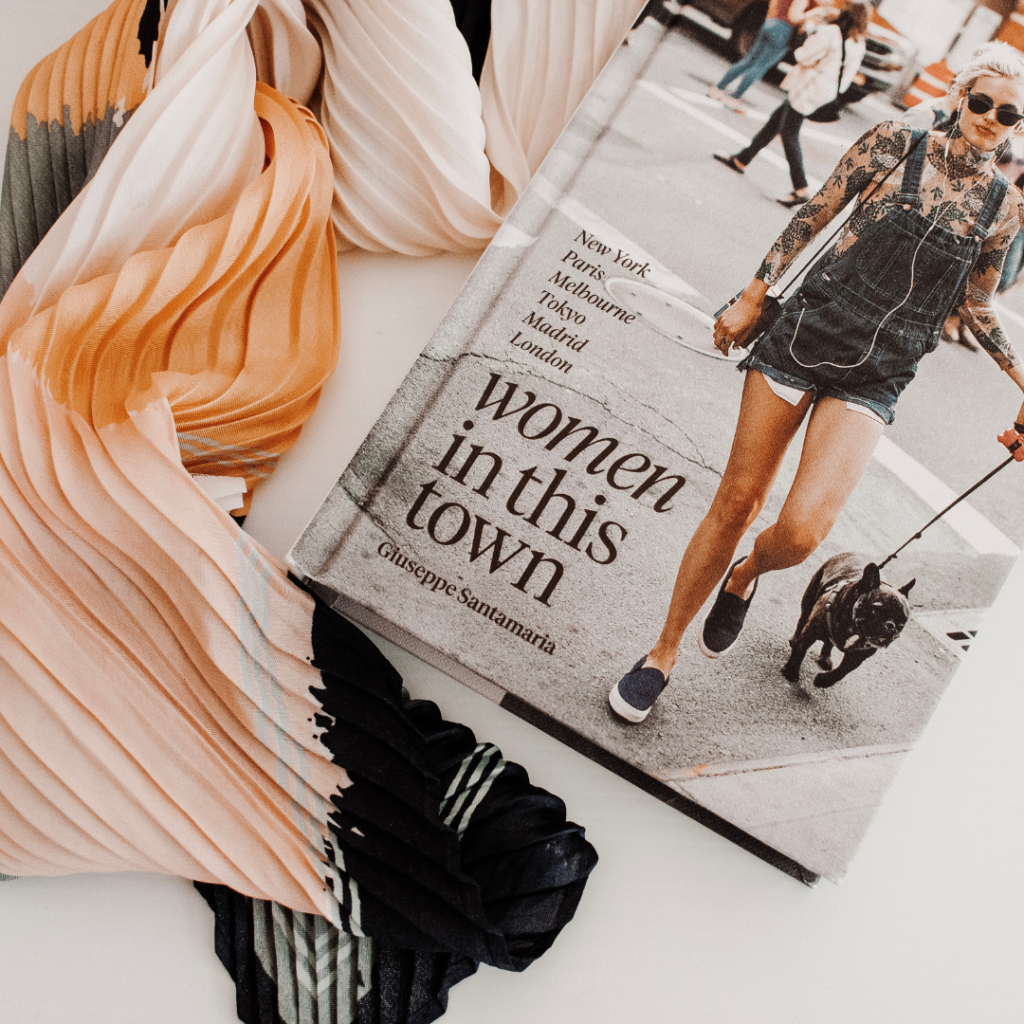
Why Fashion Is Becoming More Thoughtful
Despite the influence of instant gratification, many consumers are moving toward more thoughtful fashion habits. This trend highlights an important aspect of The Evolution of Fashion in an Instant-Gratification World.
People are becoming more aware of the emotional, financial, and environmental consequences of purchasing decisions. They are seeking clothing that delivers lasting value rather than temporary excitement.
This shift does not eliminate the appeal of new trends. Instead, it encourages a healthier balance between discovery and intentionality.
Fashion is evolving from a cycle of constant consumption into a more meaningful form of self-expression.
Conclusion
The Evolution of Fashion in an Instant-Gratification World reflects one of the most significant transformations in modern consumer culture. Social media, digital technology, fast fashion, and changing expectations have created a fashion environment defined by speed, accessibility, and convenience.
While these developments have expanded opportunities for creativity and self-expression, they have also introduced challenges related to sustainability, trend fatigue, and consumer satisfaction. As a result, many individuals are reevaluating their relationships with fashion.
The future of fashion will likely combine the advantages of digital innovation with a renewed focus on quality, authenticity, and long-term value. In an instant-gratification world, the most successful fashion choices may not be the fastest ones but the ones that create lasting confidence, satisfaction, and meaning.