
How Regional Indian Fashion Trends Is Becoming Global in 2026
The growing international popularity of Indian ethnic fashion reflects changing consumer preferences toward authenticity, sustainability, handcrafted products, and cultural storytelling. In 2026, global fashion trends are increasingly embracing regional craftsmanship, artisanal production, and heritage-inspired design aesthetics. Because of this shift, Indian regional fashion trends are gaining strong visibility across international markets.
Social media, digital fashion platforms, celebrity influence, and global ecommerce have accelerated this transformation dramatically. Consumers worldwide now discover Indian handloom fashion, artisan embroidery, and traditional textiles through Instagram, fashion shows, online marketplaces, and cultural collaborations.
At the same time, the rise of global demand for Indian fashion has created both excitement and challenges. While regional Indian textiles are gaining worldwide recognition, concerns also exist regarding cultural commercialization, imitation products, and the pressure of maintaining traditional craftsmanship within modern fashion systems.
Indian Regional Fashion Reflects Cultural Diversity
One of the biggest reasons regional Indian fashion is becoming global in 2026 is because of its incredible cultural diversity and artistic richness.
Unlike mass-produced global fashion trends, Indian regional fashion represents centuries of craftsmanship, storytelling, and local identity. Every Indian state has distinct weaving techniques, embroidery styles, dyeing methods, and fabric traditions that create visually unique fashion expressions.
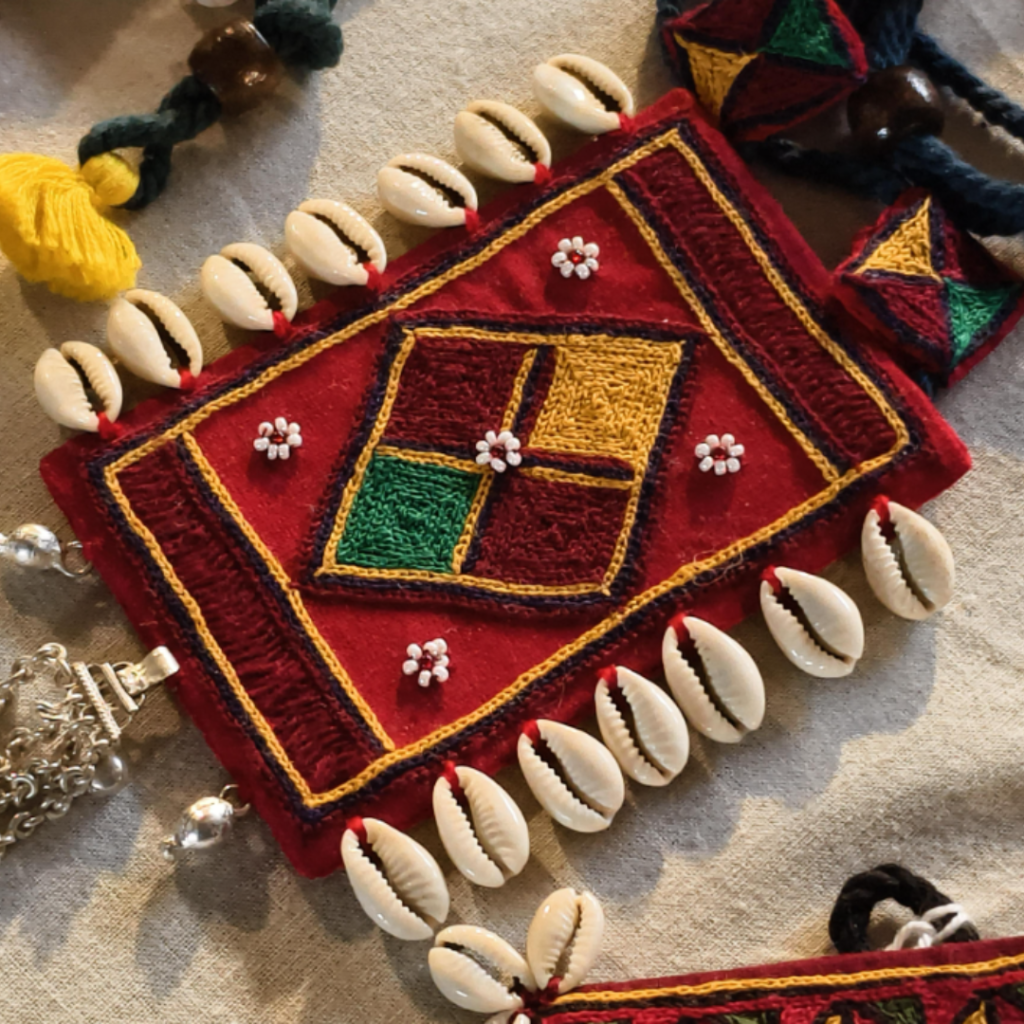
Traditional Indian clothing trends include handwoven sarees, embroidered shawls, handcrafted jackets, block-printed fabrics, tribal textiles, mirror work, zari embroidery, and naturally dyed garments. These styles feel highly original and culturally meaningful compared to repetitive fast fashion products.
Global consumers increasingly appreciate fashion products carrying heritage value and artistic authenticity. Indian cultural fashion naturally appeals to this growing demand because it combines craftsmanship, history, and creativity.
At the same time, preserving regional identity while adapting to international markets requires careful balance. Excessive commercialization may sometimes dilute traditional craftsmanship and cultural significance.
Sustainable Fashion Is Increasing Global Interest
Sustainable Indian fashion has become a major reason behind the growing international popularity of regional Indian clothing and textiles.
Modern consumers are becoming more environmentally conscious and increasingly questioning the environmental impact of fast fashion industries. Mass-produced clothing, synthetic fabrics, and excessive waste have created strong demand for more ethical and eco-friendly fashion alternatives.
Indian handloom fashion naturally supports sustainability because many regional textile traditions involve handcrafted production, natural fibers, low-energy weaving methods, and small-scale artisan work.
Consumers worldwide are now looking for fashion products that feel responsible, durable, and environmentally mindful. Regional Indian textiles often align closely with these values because they emphasize craftsmanship over excessive industrial manufacturing.
Handcrafted Indian fashion also encourages slow fashion consumption where buyers invest in meaningful and long-lasting products instead of disposable trend-based shopping.
However, sustainability marketing within the fashion industry can sometimes become misleading when brands use traditional aesthetics mainly for commercial appeal without genuinely supporting artisan communities.
Social Media Has Made Indian Fashion More Visible
Social media has played an extremely important role in making regional Indian fashion global. Platforms like Instagram, Pinterest, TikTok, and YouTube allow artisans, designers, influencers, and small businesses to showcase traditional Indian fashion to international audiences instantly.
Previously, regional Indian textiles were often limited to local markets or specialized export businesses. Today, even small artisan brands can attract global attention through digital storytelling and visual fashion content.
Fashion influencers and celebrities regularly wear Indian-inspired outfits, handcrafted jewelry, and fusion ethnic wear online, increasing visibility for Indian fashion trends internationally.
Social media also encourages cultural curiosity. Consumers worldwide now explore different fashion traditions more openly and appreciate unique regional aesthetics from across India.
Indian fashion industry trends in 2026 clearly show how digital platforms are helping bridge traditional craftsmanship with global fashion audiences.
However, social media can also encourage imitation and mass replication of traditional designs without proper recognition or compensation for original artisans.
Indian Designers Are Creating Global Fusion Fashion
Modern Indian designers are successfully combining traditional craftsmanship with contemporary global fashion aesthetics. This fusion approach has helped regional Indian fashion appeal strongly to younger international consumers.
Designers now create jackets using traditional embroidery, western silhouettes using handloom fabrics, and modern dresses inspired by Indian textile artistry.
Fusion fashion allows consumers to wear Indian-inspired clothing comfortably in everyday international settings instead of limiting traditional styles only to cultural occasions.
Global fashion consumers increasingly prefer versatile outfits blending comfort, heritage, and modern design. Indian artisan fashion naturally fits this demand because it combines rich craftsmanship with adaptable styling possibilities.
Luxury fashion brands are also collaborating with Indian textile artisans and embroidery specialists to create globally marketable collections.
At the same time, balancing modern fashion trends with cultural authenticity remains an ongoing challenge for designers working with traditional craftsmanship.
Celebrity Influence Is Boosting Indian Fashion Globally
Celebrity influence has significantly contributed to the rise of Indian ethnic fashion in global markets. Bollywood celebrities, international actors, fashion influencers, and musicians increasingly wear Indian-inspired designs during red carpet events, weddings, fashion campaigns, and digital promotions.
Global celebrities wearing sarees, lehengas, handcrafted shawls, or embroidered Indian garments create massive international visibility for regional Indian fashion trends.
Fashion weeks and international designer collaborations also help showcase Indian textiles and craftsmanship to luxury fashion audiences worldwide.
Indian bridal fashion especially has become globally admired because of its rich detailing, luxurious fabrics, and artistic embroidery work.
Celebrity-driven exposure helps regional Indian clothing appear fashionable and aspirational rather than limited only to cultural or traditional use.
However, celebrity trends sometimes create commercialization pressure where traditional styles become trend-focused instead of culturally respected.
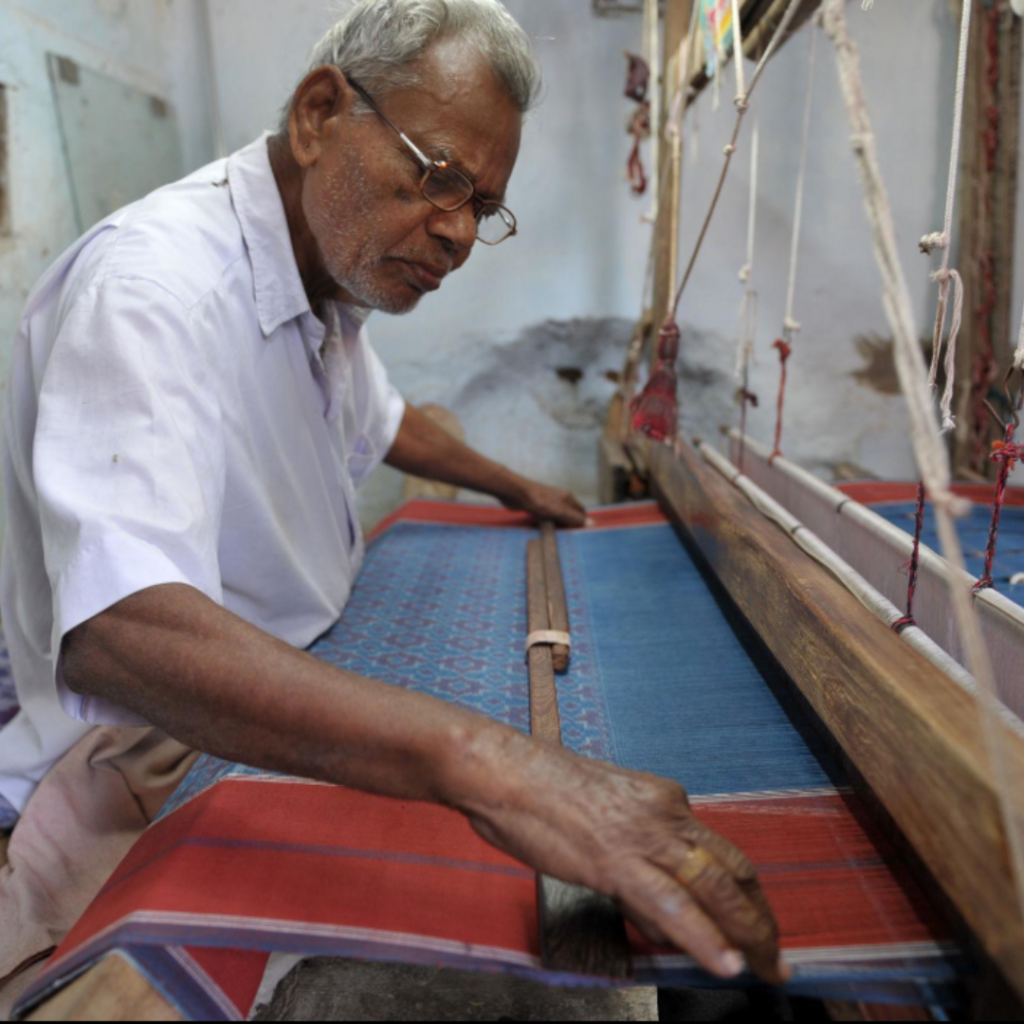
Indian Handloom Industry Is Gaining Recognition
The Indian textile industry is one of the oldest and most respected textile traditions in the world. Handloom weaving communities across India produce fabrics known for craftsmanship, quality, and artistic complexity.
Consumers globally are increasingly appreciating handwoven textiles because machine-made fast fashion often lacks uniqueness and emotional value.
Regional textile fashion in India includes Banarasi silk, Chanderi, Kanjeevaram, Pashmina, Bandhani, Ikat, Jamdani, and Khadi fabrics that represent centuries of weaving excellence.
Global demand for Indian fashion is increasing because these textiles offer authenticity and handmade beauty rarely found in mass-produced clothing.
Handcrafted fashion also creates emotional connection because consumers value products carrying human creativity and cultural heritage.
At the same time, many artisan communities still face financial instability, limited global access, and competition from cheaper machine-made imitations.
Ecommerce Is Expanding Global Reach
Online shopping has transformed the accessibility of regional Indian fashion globally. Ecommerce platforms now allow customers from different countries to purchase handcrafted Indian clothing directly from designers, boutiques, and artisan businesses.
Fashion startups and independent Indian brands increasingly use digital platforms to sell handloom sarees, ethnic fusion wear, artisan jewelry, embroidered fabrics, and regional accessories internationally.
Global consumers now have easier access to Indian artisan fashion without traveling physically to local markets or fashion stores.
Online visibility also allows niche regional styles to find international audiences interested in unique cultural fashion experiences.
However, logistics, shipping costs, counterfeit products, and international sizing expectations continue creating operational challenges for many small Indian fashion businesses.
Younger Consumers Value Cultural Authenticity
Modern fashion consumers increasingly seek authenticity and emotional meaning in what they wear. Younger generations especially appreciate fashion connected with heritage, sustainability, and artistic identity.
Indian cultural fashion appeals strongly to this mindset because regional textiles often carry stories of craftsmanship, local tradition, and human creativity.
Consumers today want fashion that feels personal and culturally meaningful instead of purely commercial or trend-driven.
Fashion consumer behavior is shifting toward more thoughtful purchasing decisions where emotional value matters alongside appearance and branding.
Indian artisan fashion therefore benefits from growing interest in storytelling-based fashion experiences and handcrafted luxury.
Challenges Facing Regional Indian Fashion
Despite global success, regional Indian fashion also faces several challenges. Mass-market imitation, cultural appropriation, machine-made replicas, and declining artisan income remain serious concerns.
Many traditional artisans struggle to compete against low-cost factory-produced versions of handcrafted designs.
Young generations within artisan families sometimes leave traditional professions due to financial instability and changing career aspirations.
Global commercialization may also simplify complex cultural traditions into trend-based aesthetics without fully respecting original craftsmanship and heritage.
Protecting artisan rights, fair wages, and cultural integrity will remain extremely important as regional Indian fashion continues expanding internationally.
Future of Regional Indian Fashion in Global Markets
The future of regional Indian fashion appears highly promising because global consumers increasingly value sustainability, authenticity, craftsmanship, and cultural individuality.
Indian fashion exports are expected to continue growing as digital platforms, global fashion collaborations, and sustainable shopping trends strengthen international demand.
Designers, fashion startups, and artisan communities are likely to continue blending heritage craftsmanship with modern styling to attract wider audiences.
Technology, ecommerce, and social media will further help Indian regional textiles reach international consumers interested in meaningful and handcrafted fashion experiences.
At the same time, preserving traditional techniques and supporting artisan communities will remain essential for maintaining the authenticity and cultural richness of Indian fashion.
Conclusion
How regional Indian fashion is becoming global in 2026 reflects a powerful transformation within the international fashion industry. Consumers worldwide are increasingly appreciating Indian handloom textiles, artisan embroidery, handcrafted clothing, and heritage-inspired fashion because these products offer authenticity, sustainability, and emotional value.
Social media, celebrity influence, ecommerce growth, sustainable fashion awareness, and modern fusion design have all contributed to the rising global demand for Indian fashion.
Although challenges related to commercialization, imitation, and artisan sustainability still exist, regional Indian fashion continues gaining recognition as one of the most creative and culturally rich segments within the global fashion market.
As fashion trends continue evolving toward individuality, craftsmanship, and conscious consumption, regional Indian fashion will likely remain one of the strongest cultural influences shaping the future of global style and sustainable fashion.
You May Also Read
Renting Fashion Instead of Buying: The Smart Guide to Sustainable Style and Affordable Luxury 2026
Renting Fashion Instead of Buying Fashion has always reflected personal...
Read More
Understanding Hair Breakage: Causes, Prevention, and Healthy Hair Care Tips 2026
Understanding Hair Breakage Healthy hair is often seen as a...
Read MoreWhy Sunscreen Is Essential Indoors: The Complete Guide to Everyday Indoor Sun Protection 2026
Why Sunscreen Is Essential Indoors Many people associate sunscreen with...
Read More