Why Tailored Fashion Still Matters in 2026
The Timeless Influence of Tailored Fashion
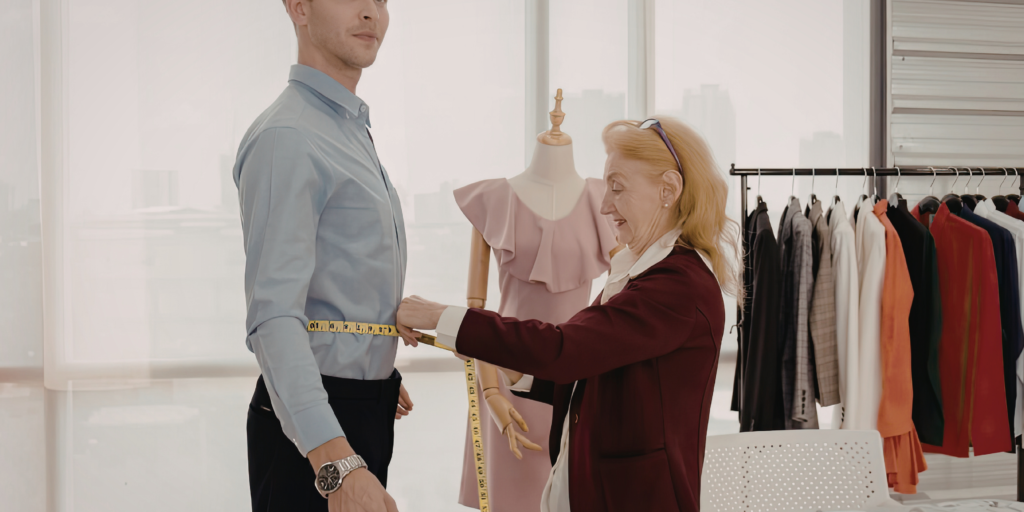
Fashion trends continue changing rapidly in 2026, yet tailored fashion remains one of the most respected and enduring elements of global style culture. While oversized streetwear, relaxed silhouettes, and casual aesthetics dominate many social media platforms, tailored clothing continues holding strong influence within luxury fashion, professional dressing, and modern lifestyle identity. Tailored fashion represents more than fitted garments alone. It reflects sophistication, discipline, confidence, craftsmanship, and emotional refinement within contemporary fashion culture.
Consumers are increasingly realizing that perfectly fitted clothing creates stronger visual impact than temporary trend-focused styling. Tailored blazers, structured trousers, custom suits, elegant dresses, fitted outerwear, and personalized fashion pieces continue attracting attention because they create polished appearances that feel timeless rather than disposable. In a fast-moving digital world filled with constantly changing aesthetics, tailored fashion offers stability and visual balance.
The growing appreciation for tailored fashion positively supports quality craftsmanship and intentional dressing habits. However, some critics argue that traditional tailoring can sometimes feel emotionally formal or financially inaccessible for consumers who prefer relaxed and affordable fashion choices. Despite these discussions, tailored fashion continues evolving while maintaining powerful cultural and emotional relevance.
Tailored Clothing Creates Stronger Confidence
One major reason tailored fashion still matters in 2026 is the emotional confidence it creates. Clothing that fits correctly often improves posture, body language, communication style, and self-perception. Consumers frequently feel more focused, organized, and emotionally prepared when wearing garments designed specifically for their body shape and movement.
Tailored clothing enhances visual balance because it follows natural proportions rather than appearing excessively loose or restrictive. Structured blazers, fitted trousers, elegant coats, and custom shirts often create a polished appearance that supports emotional confidence in both professional and social environments.
This confidence-building effect positively influences communication and self-esteem. Nevertheless, excessive pressure to maintain perfectly fitted appearances may occasionally create emotional insecurity among individuals who struggle with body image or changing fashion expectations.
Modern Tailoring Is Becoming More Comfortable
Traditional tailoring was once associated mainly with rigid formalwear and strict business environments. However, modern tailored fashion in 2026 is evolving toward greater comfort and versatility. Designers are combining structured silhouettes with soft fabrics, relaxed tailoring techniques, and breathable materials to create clothing that feels elegant without appearing emotionally restrictive.
Contemporary tailoring now includes oversized blazers with refined cuts, flexible trousers, lightweight suits, relaxed luxury coats, and hybrid smart-casual outfits suitable for modern lifestyles. Consumers increasingly appreciate clothing that balances sophistication with emotional comfort and practical movement.
This transformation positively expands accessibility and relevance for tailored fashion among younger audiences. However, some traditional fashion enthusiasts believe relaxed tailoring may occasionally reduce the sharp precision and visual discipline historically connected to classic tailoring culture.
Professional Fashion Still Relies on Tailoring
Despite the rise of casual dressing culture, tailored fashion continues playing a major role within professional environments. Business meetings, luxury hospitality, leadership positions, networking events, and formal occasions still value polished presentation and structured clothing choices.
Tailored outfits often communicate responsibility, emotional control, organization, and confidence more effectively than extremely casual clothing. Professionals frequently choose fitted blazers, monochromatic tailoring, luxury coats, and elegant footwear because these pieces create strong visual credibility and social presence.
Professional tailoring positively strengthens workplace confidence and communication. At the same time, highly formal dress expectations may sometimes feel emotionally exhausting or outdated within industries increasingly focused on flexibility and comfort.
Tailored Fashion Supports Sustainable Wardrobes
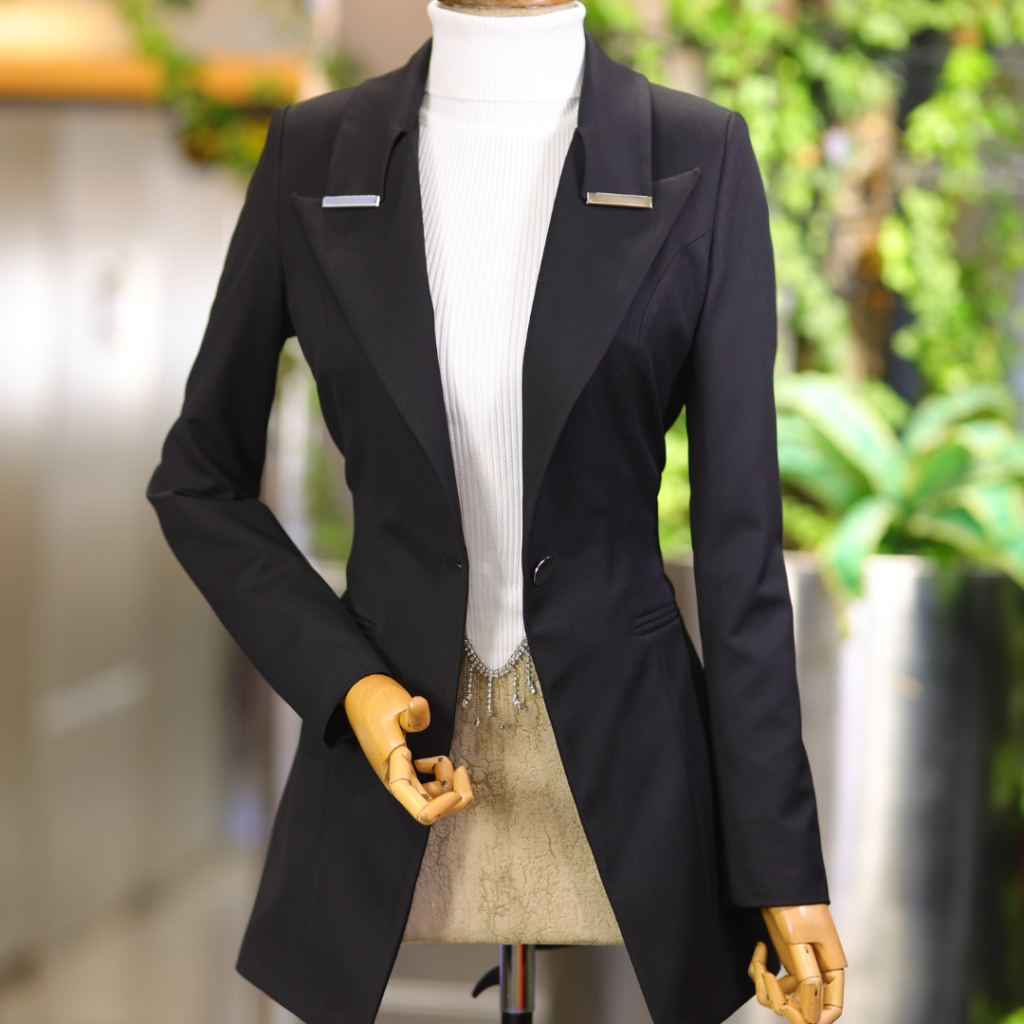
Sustainability is another major reason tailored fashion still matters in 2026. Consumers are becoming increasingly aware of environmental concerns related to fast fashion and excessive clothing waste. Tailored garments are often designed with stronger craftsmanship and higher-quality fabrics, making them more durable and wearable for longer periods.
Many consumers now prefer investing in timeless tailored pieces rather than constantly purchasing temporary trend-based clothing. Custom suits, fitted coats, elegant trousers, and personalized outerwear often remain stylish across multiple fashion seasons without losing relevance.
Tailored fashion positively encourages mindful shopping habits and long-term wardrobe planning. However, premium tailoring services and luxury fabrics often require larger financial investment, limiting accessibility for some consumers.
Personalized Fashion Is Growing Rapidly
Modern consumers increasingly value individuality and personalized experiences within fashion culture. Tailored clothing naturally supports this movement because custom fitting allows people to express personal style while improving comfort and visual harmony.
Fashion technology is also strengthening personalized tailoring through digital body scanning, AI styling systems, and smart measurement tools. Many brands now offer semi-custom clothing experiences that combine modern technology with traditional craftsmanship.
Personalized tailoring positively strengthens emotional connection between consumers and clothing. Nevertheless, excessive focus on personalization may occasionally increase consumer pressure to achieve idealized appearances and perfect fashion identity.
Quiet Luxury and Tailored Elegance
The rise of quiet luxury fashion is strongly connected to the continued relevance of tailored clothing. Quiet luxury focuses on understated sophistication, emotional refinement, premium materials, and timeless design rather than loud branding or aggressive trend-following.
Tailored blazers, monochromatic suits, wool coats, linen shirts, and structured handbags perfectly align with quiet luxury aesthetics because they communicate elegance through simplicity and craftsmanship rather than visible logos. Consumers increasingly admire clothing that appears emotionally calm and effortlessly polished.
This movement positively supports timeless fashion values and sustainable style choices. However, quiet luxury tailoring may sometimes create exclusivity because high-quality craftsmanship often remains associated with premium pricing.
Tailored Fashion and Social Perception
Clothing strongly influences social perception, and tailored fashion continues shaping how individuals are viewed in public and professional environments. Well-fitted clothing often creates impressions of discipline, intelligence, professionalism, and emotional maturity.
Consumers wearing tailored outfits frequently receive stronger social recognition because structured clothing enhances visual clarity and presence. Tailoring allows individuals to communicate confidence and organization without excessive visual effort.
This social influence positively strengthens personal branding and communication. Nevertheless, appearance-based judgment connected to fashion can sometimes create emotional pressure and unrealistic expectations regarding professional success or social status.
Celebrity Influence on Tailored Fashion Trends
Celebrities, entrepreneurs, actors, and fashion influencers continue driving interest in tailored fashion through red carpet appearances, luxury campaigns, and social media styling content. Modern celebrity fashion often blends tailored elegance with relaxed streetwear aesthetics, making structured clothing feel more approachable for younger consumers.
Oversized suits with refined tailoring, monochromatic fitted outfits, luxury trench coats, and minimalist accessories are becoming increasingly visible across digital fashion platforms. Consumers admire tailored fashion because it creates visually balanced and emotionally confident aesthetics.
Celebrity-driven tailoring positively expands global appreciation for craftsmanship and polished dressing. However, excessive comparison with celebrity fashion lifestyles may occasionally create emotional dissatisfaction among audiences influenced by unrealistic luxury standards.
Gender-Neutral Tailoring Becoming Popular
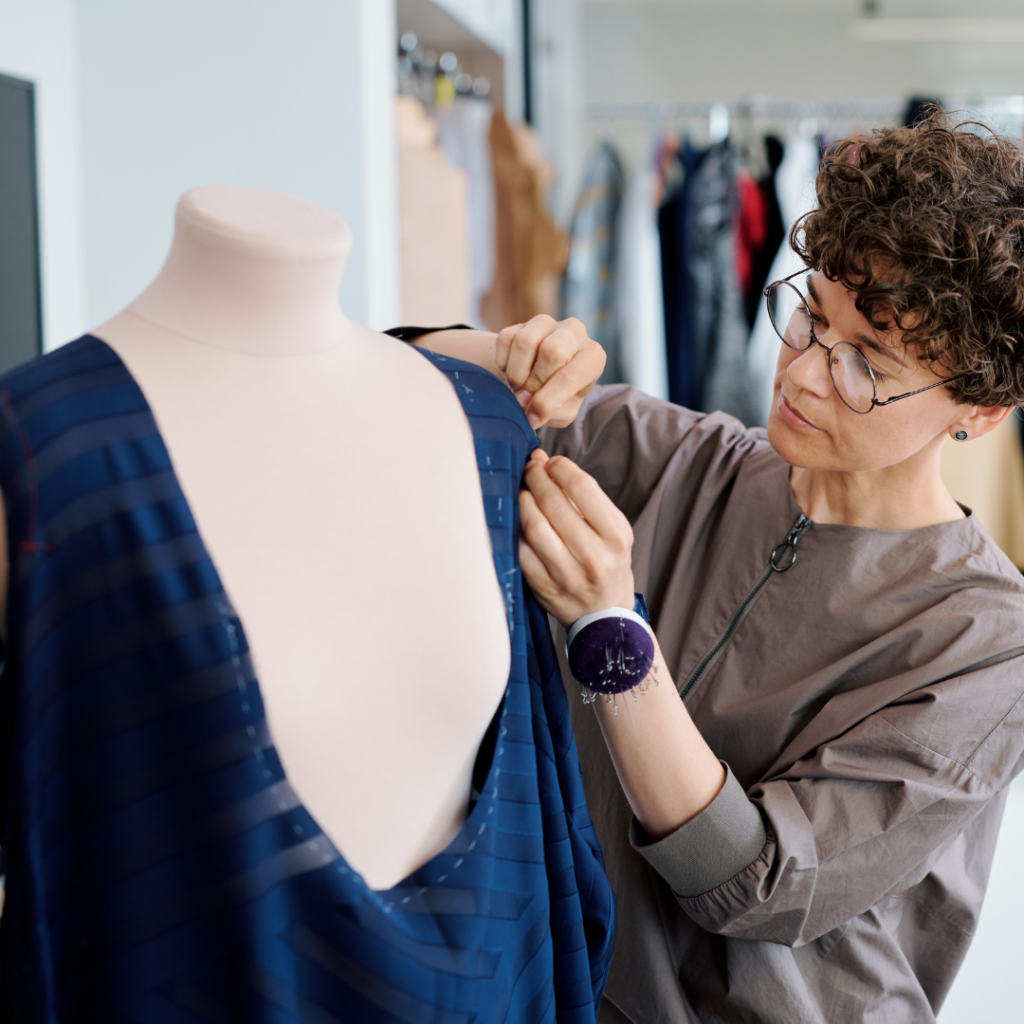
Gender-fluid fashion movements are also reshaping modern tailoring culture. In 2026, tailored clothing is becoming more versatile and inclusive across different identities. Oversized blazers, relaxed trousers, monochromatic tailoring, and structured outerwear are now designed with universal styling flexibility rather than rigid gender expectations.
Consumers appreciate tailored fashion that feels expressive, emotionally open, and adaptable to personal identity. Modern tailoring focuses increasingly on silhouette balance, comfort, and individuality instead of traditional fashion rules.
Gender-neutral tailoring positively supports inclusivity and creative self-expression. However, changing tailoring standards may occasionally feel emotionally unfamiliar for audiences strongly connected to classic fashion traditions.
Technology Improving Tailoring Experiences
Technology is significantly improving the tailoring industry in 2026. AI-powered fitting systems, digital body measurements, virtual try-on experiences, and robotic tailoring tools are helping brands create more accurate and efficient personalized clothing experiences.
Consumers can now order custom-fit garments online using smart measurement technology without visiting physical tailoring shops. This technological advancement is making tailored fashion more accessible and convenient for modern lifestyles.
Technology-driven tailoring positively improves efficiency and personalization. Nevertheless, some fashion experts worry that excessive automation may reduce emotional connection to traditional hand-crafted tailoring artistry.
Tailored Fashion and Emotional Discipline
Tailored clothing often reflects emotional discipline and intentional living. Many consumers associate structured outfits with organization, ambition, and self-respect. Wearing fitted clothing can influence daily behavior by encouraging stronger posture, greater confidence, and emotionally focused routines.
Consumers increasingly understand that fashion affects mood, productivity, and social interaction. Tailored fashion creates emotional structure within modern lifestyles filled with digital distractions and fast-moving trends.
This psychological influence positively strengthens self-awareness and professionalism. However, excessive emotional attachment to polished appearances may sometimes create pressure to maintain unrealistic perfection standards.
The Future of Tailored Fashion in 2026 and Beyond
The future of tailored fashion appears highly stable despite rapidly changing trend cycles. Consumers continue seeking clothing that combines sophistication, comfort, sustainability, and emotional confidence within modern lifestyles. Tailoring will likely evolve further through smart fabrics, digital customization, AI styling systems, and environmentally responsible production methods.
Fashion brands are expected to continue blending classic craftsmanship with modern functionality to attract consumers seeking timeless elegance and practical versatility. Tailored fashion will remain relevant because it adapts naturally to changing cultural values while maintaining strong emotional and visual appeal.
Why tailored fashion still matters in 2026 goes far beyond fitted clothing alone. Tailoring represents confidence, craftsmanship, individuality, and intentional living within contemporary fashion culture. While debates regarding accessibility, formality, and changing style preferences continue shaping modern fashion conversations, tailored clothing remains one of the most enduring symbols of elegance, emotional sophistication, and timeless personal identity in the evolving world of fashion.
You May Also Read
Renting Fashion Instead of Buying: The Smart Guide to Sustainable Style and Affordable Luxury 2026
Renting Fashion Instead of Buying Fashion has always reflected personal...
Read More
Understanding Hair Breakage: Causes, Prevention, and Healthy Hair Care Tips 2026
Understanding Hair Breakage Healthy hair is often seen as a...
Read MoreWhy Sunscreen Is Essential Indoors: The Complete Guide to Everyday Indoor Sun Protection 2026
Why Sunscreen Is Essential Indoors Many people associate sunscreen with...
Read More